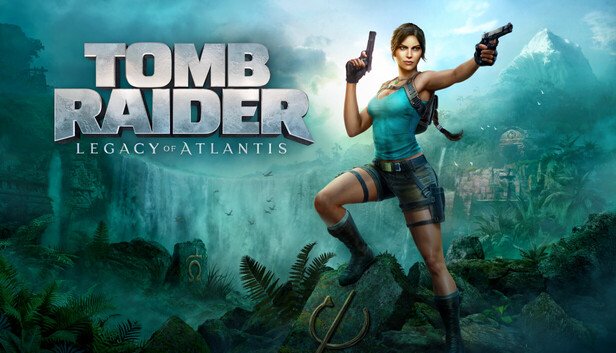
Publisher Amazon Game Studios and developer Crystal Dynamics have released the fourth episode in their ongoing dev diary series for Tomb Raider: Legacy of Atlantis, offering a detailed look at how Lara Croft’s iconic movement has been rebuilt for the upcoming reimagining of the 1996 classic.
The latest dev diary focuses on Lara’s traversal system, with developers from Crystal Dynamics and Flying Wild Hog explaining how the team recreated the athleticism that defined the original game while modernizing it for contemporary gameplay. The episode also features voice actor Alix Wilton Regan, who discusses the physical training she has undertaken to better portray Lara Croft, including weight training, running, yoga, and rock climbing, which she describes as one of her favorite activities.
According to the developers, preserving Lara’s distinctive movement style was one of the project’s biggest priorities. Rather than simply updating the controls, the team studied the rhythm, speed, and timing of her original animations to ensure familiar moves such as side flips, long jumps, climbing sequences, and acrobatic traversal retained the character’s signature feel. They noted that an ordinary jump would not be enough, so every movement needed to instantly feel like Lara Croft.

The dev diary also reveals several traversal mechanics featured in the remake, including climbing poles, shimmying across ledges, swinging between horizontal bars, and using Lara’s grappling hook to navigate environments. Developers said recreating these mechanics accurately was essential, as longtime fans already have clear expectations of how Tomb Raider should play.
The episode also highlights the game’s new environmental guidance system. Players will be subtly directed through levels using environmental composition, color, moving wildlife, and other visual cues instead of intrusive markers. Birds will fly away as Lara approaches to draw attention toward points of interest, while the return of “Charlie,” a small guiding fish from the original game, helps lead players toward the correct path in underwater sections. Lara herself also contributes through contextual animations, naturally turning her head or body toward important objects and reaching toward nearby grapple points while swinging.
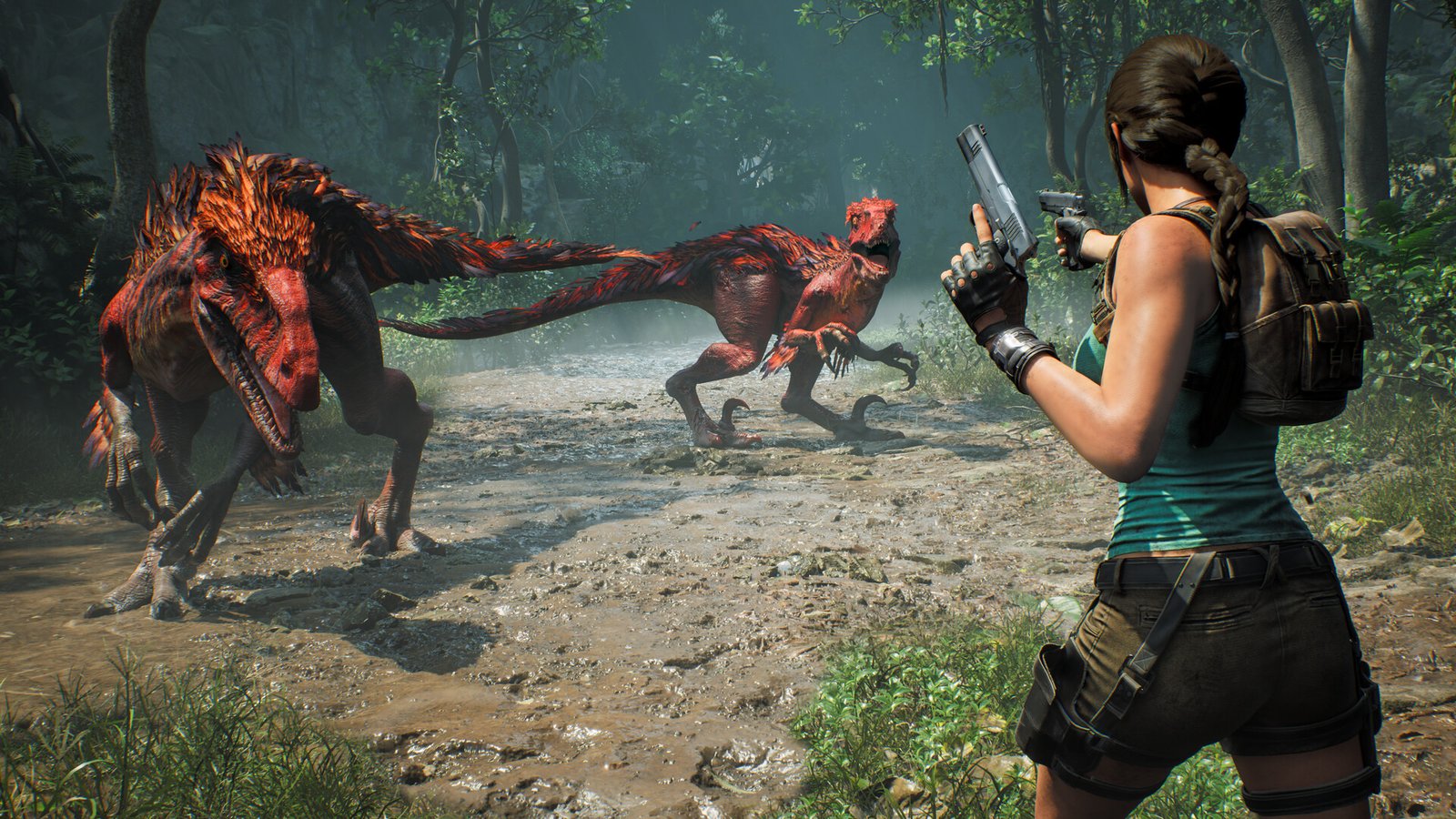
The developers have confirmed that players will have more freedom outside the main adventure, allowing them to revisit locations to search for collectibles and hidden treasures, spend time experimenting with Lara’s acrobatic moves, or change outfits before continuing their journey.
Tomb Raider: Legacy of Atlantis is a single-player, narrative-driven action-adventure that reimagines Lara Croft’s original adventure with modern visuals, updated gameplay systems, redesigned puzzles, and expanded cinematic set pieces, including the iconic Tyrannosaurus Rex encounter. The game launches on February 12, 2027, for PS5, Xbox Series X|S, PC via Steam, and Nintendo Switch 2.
Related News:
- Crystal Dynamics Announces Brand Partnerships to Mark Tomb Raider’s 30th Anniversary
- Review: Tomb Raider I – III Remastered Starring Lara Croft – A Remaster Aimed at Purists
- Crystal Dynamics is Developing the Next Tomb Raider with Unreal Engine 5
What are your thoughts on the reimagined movement system revealed for Lara Croft in the latest Tomb Raider: Legacy of Atlantis dev diary? Let us know in the comments section below.