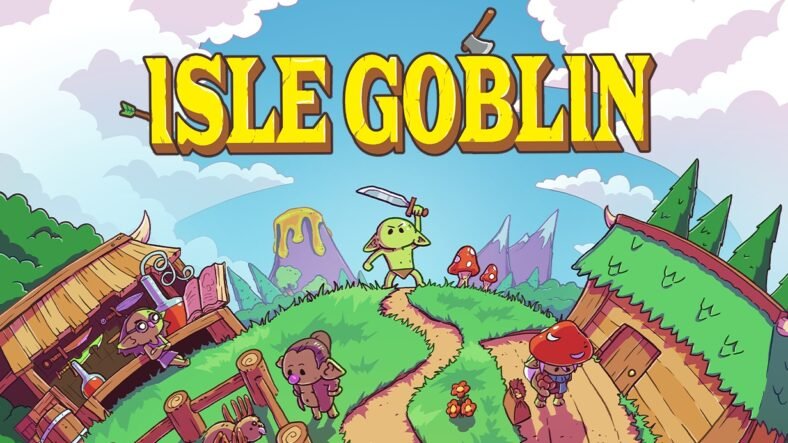
Developed by Kilowatt Games and published by Fireshine Games and Pocketpair Publishing, Isle Goblin is a top-down sandbox adventure that puts players in control of a goblin seeking revenge on the humans who kidnapped their family. Featuring a sprawling, procedurally generated world, the game combines exploration, crafting, settlement building, and combat, giving players considerable freedom to decide how they want to progress. During my time with the PC playtest build on Steam, I found myself frequently abandoning quests to explore new areas, gather resources, and hunt down human settlements. While Isle Goblin takes some time to get going, its interconnected sandbox mechanics make it surprisingly easy to lose hours simply doing your own thing. Here is our preview of Isle Goblin.
Normally, we see goblins invading human lands and killing off everyone; however, in Isle Goblin, the tables have turned. The preview build began with a cutscene showing a peaceful goblin community living their normal lives, with children playing around and the adults performing daily tasks. Suddenly, a large human army attacks the settlement, killing everyone and taking our family with them. At this point, we step into the game with our custom-created character. Right at the start of the game, you also have to create an island by choosing its name. Once you select a name and, if you prefer, a custom seed, the game will create a randomly generated world for you.
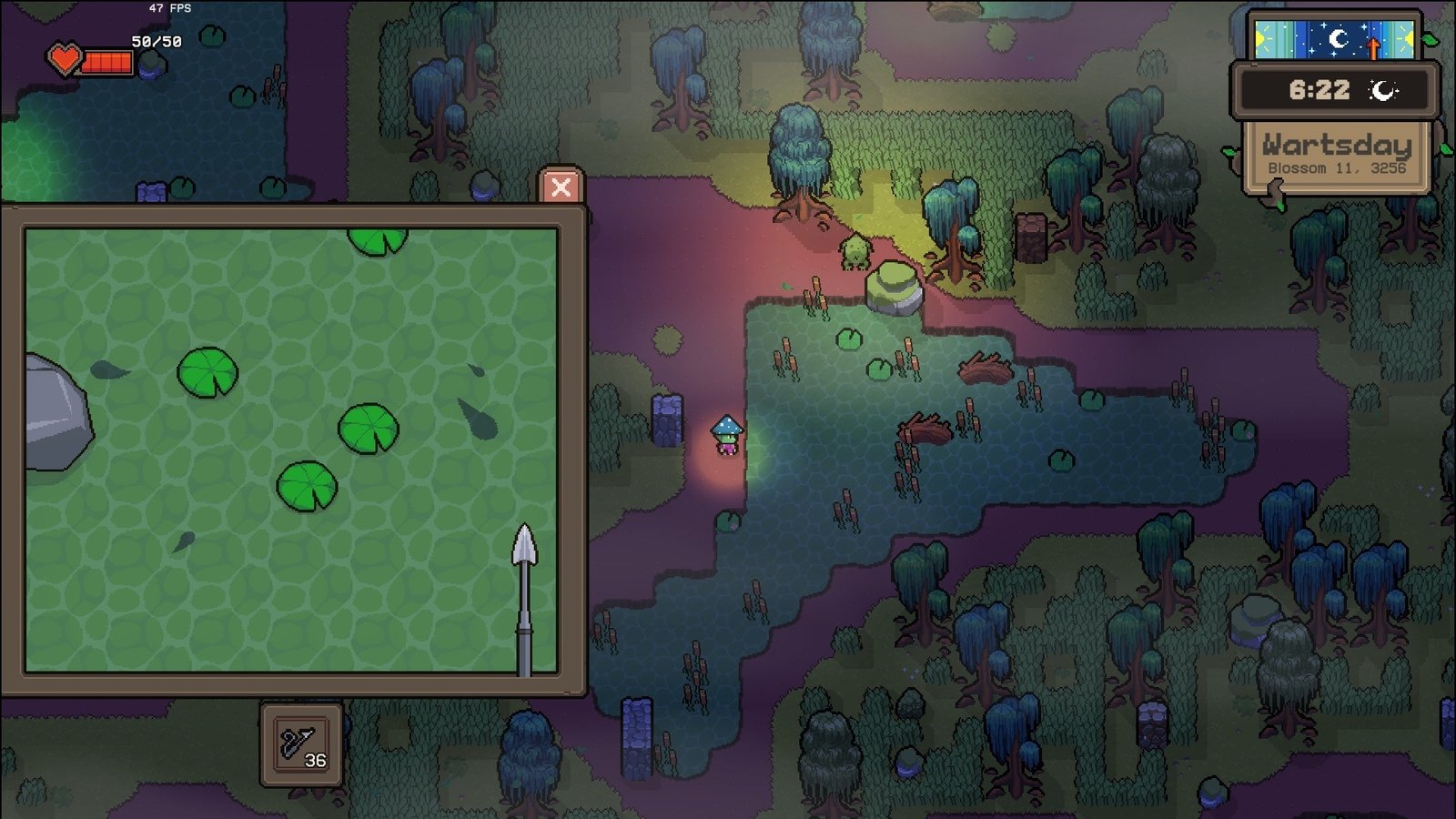
Character creation is fairly basic well with a few visual customizations and then you have to select your name, and you are done. Upon entering the world, you meet with a few surviving members of your settlement who assign you quests, and from there, you are free to explore the map at your pace. The quests introduce you to new game mechanics along with unlocking key blueprints, items, and other things which are vital for exploring certain locked areas of the game. Most of the map is instantly opened for you right at the start of the game, and if you can manage tougher enemies, you can start tackling them right from the start of the game.
Isle Goblin does not hold your hand for a long time. After a new mechanic is introduced, it gives you a brief tutorial on how to use it, then you’re on your own. This works because Isle Goblin’s mechanics are relatively easy to understand. Nearly everything is fairly easy to understand, and even if you are a new player to this type of game, you can spend a few minutes getting up to speed with everything. However, the start of Isle Goblin is really slow. After creating a house and unlocking dungeon access, I was given another quest to go deeper or go find and hunt down a very powerful boss who attacked our village. Normally, you would expect these types of quests to appear somewhere down the road, but Isle Goblin does not hold back.
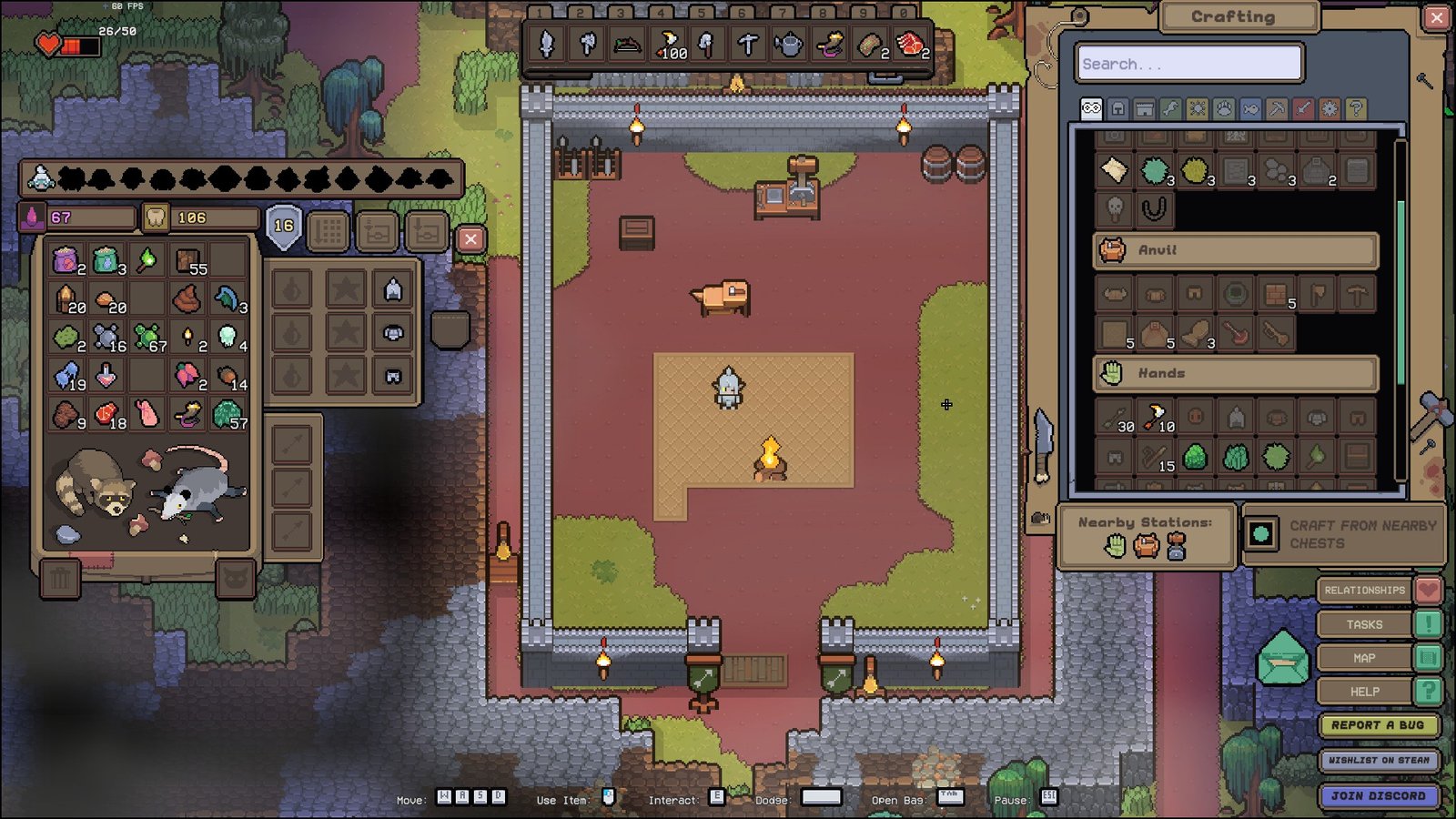
All I can say is that I spent quite a lot of hours between the first quest and the next set of quests because I had to figure out everything on my own after that. Before doing both of these quests, I decided to explore more of the map, collect resources, and kill some smaller enemies to make myself more powerful. Before long, I found myself completely absorbed in the game. On lower difficulties, you can survive pretty easily on just uncooked food that you collect from the wild, such as mushrooms, and this is what I did. I had a ton of mushrooms and raw meat in my inventory, and I started hunting down human settlements and every other creature that came in my way. This resulted in a lot of randomly placed storage boxes because instead of going back home and keeping things there, I just cleared a random human settlement and started building things there. This allowed me to explore uninterrupted without worrying about inventory storage issues.
As you perform different tasks and continue using tools, you gain proficiency points in that particular pool. For example, using an axe earns you axe proficiency points every time you level up. This is the same for all tools and weapons in the game. When you gain proficiency points, you can spend them to unlock special passive bonuses that help with resource collection and combat. Building is one of the key gameplay elements, and you will spend quite a lot of time building structures not just for yourself but other goblins too. Apart from basic structures and furniture items, the game also offers defensive structures like walls, gates, and more; however, I did not really find a use for these defensive castle-like walls since no enemies ever raided my structures.
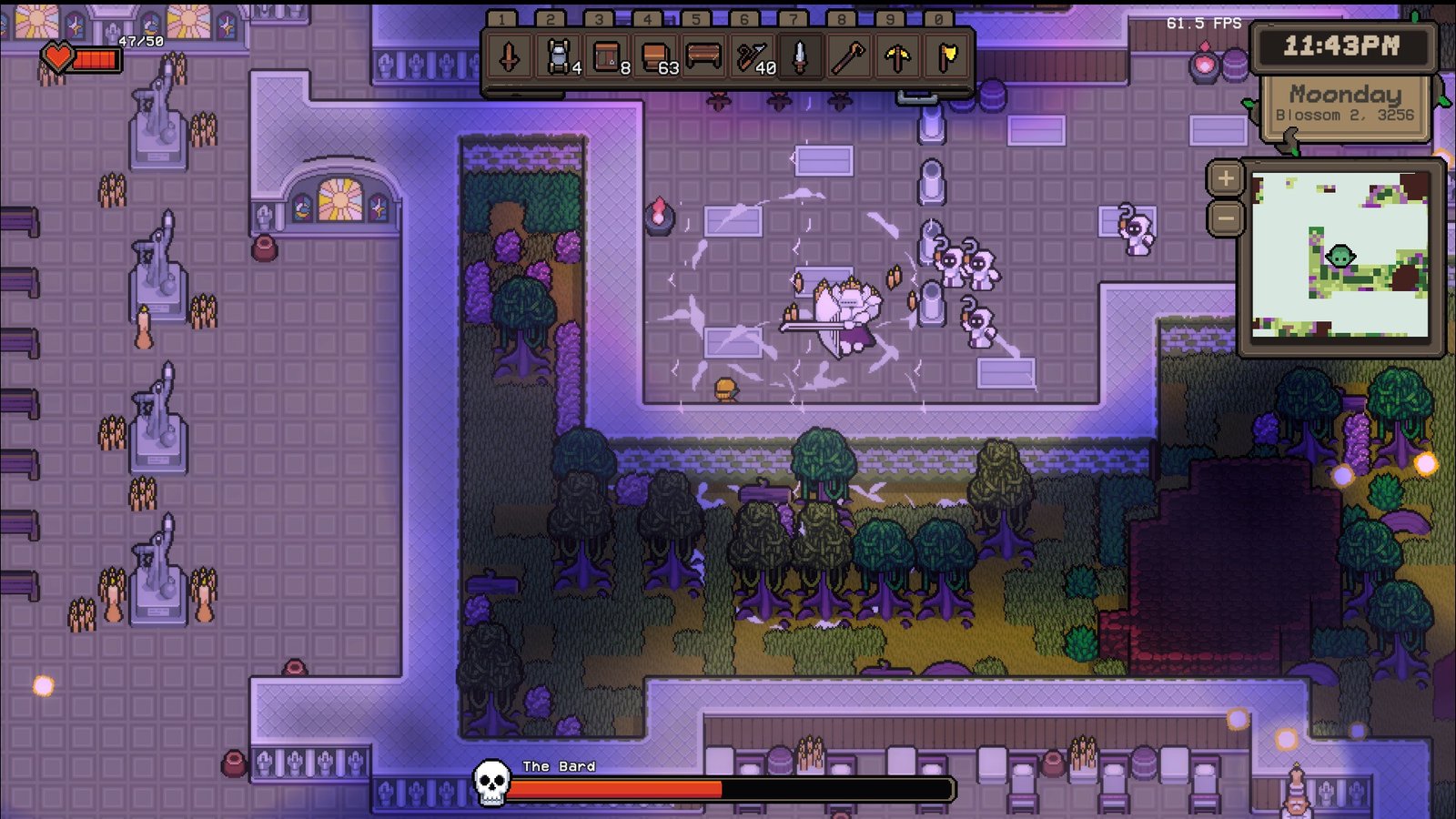
Crafting plays a vital role in Isle Goblin and is one of my favourite mechanics in the game because it has a convenient feature that many big games miss. If your storage boxes and crafting tables are placed near each other, when you open the crafting menu, it will give you everything inside a single crafting menu. It also automatically uses any resources found in the storage boxes placed near each other. This saves you the time to manually transfer resources back and forth between storage boxes and inventory, and also going separately on different crafting machines to craft items. Everything appears on the same crafting menu, in different categories based on the table where they will be crafted.
The enemy variety is also good so far. I got to see plenty of different enemies throughout my playthrough, including small creatures ranging from jelly-like slugs, bats, skeletons, and ghosts to human enemies like archers, mages, and even giants holding clubs. The enemies change based on your current location. The starting area had the smallest enemies and the easiest ones to allow you some exploration freedom; however, once you start going down into dungeons and reach far-off locations, the enemies become hard too. For me, the Huntress was the toughest enemy I encountered during my playthrough, and it took me quite a lot of grinding and tries to finally defeat her.
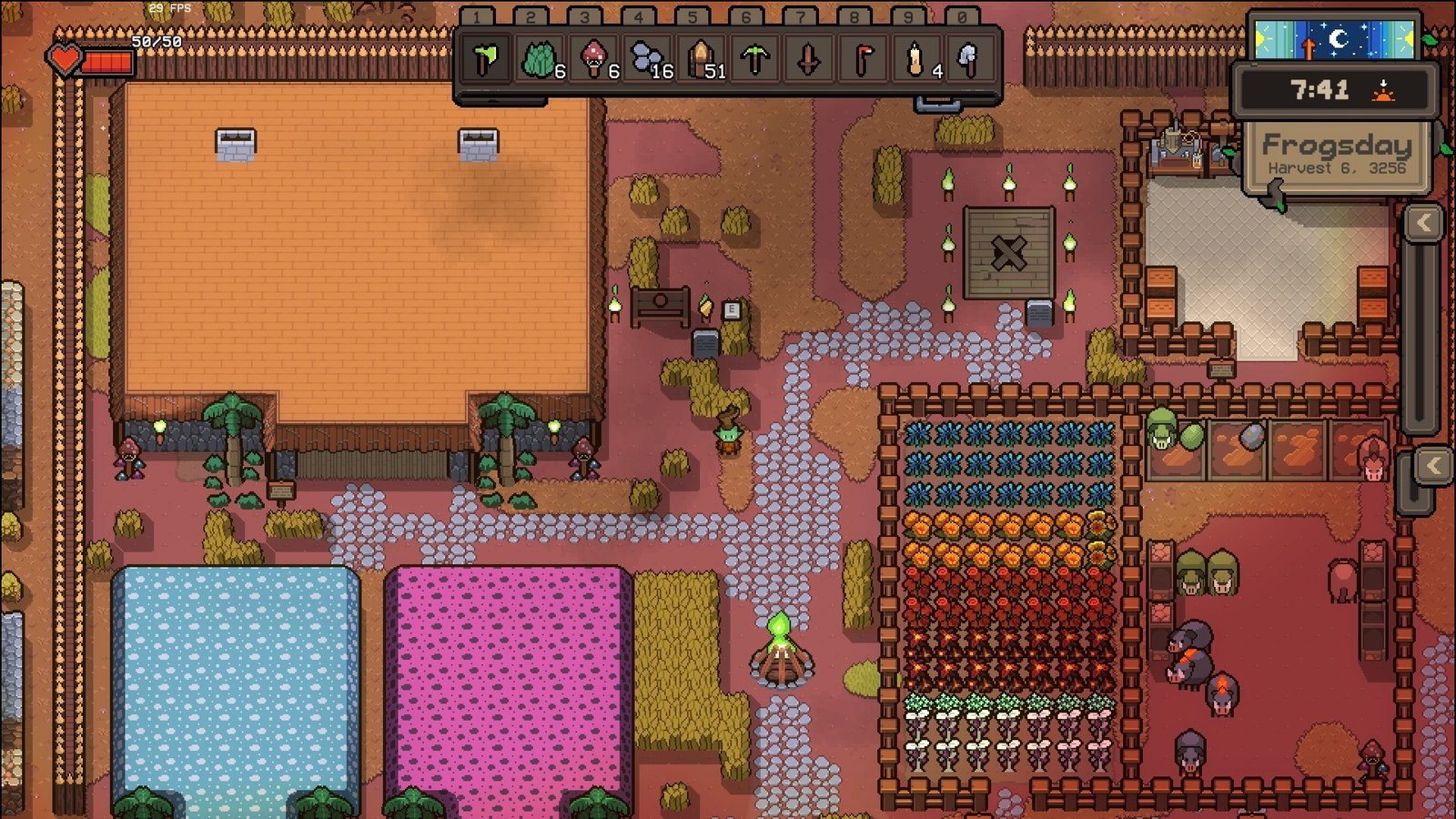
Tackling bigger enemies is also harder because combat is not too complex and feels pretty basic. There is no blocking, and you just have to swing your weapon around to kill enemies while trying to avoid incoming damage. The enemy AI is also just okay, and you can easily cheese them. This is not true for bosses because their attacks can go through obstacles and walls, making it harder to dodge them.
Isle Goblin offers three different gameplay modes, including solo, online multiplayer, and LAN as well. For online, it supports up to seven players. I could not try online modes, but the game is fun in solo mode as well, because there are plenty of things to do in the game at all times. However, after playing it solo, I do think that playing with friends could make the experience even more enjoyable, as every player can take responsibility for a particular task like collecting wood, fishing, grinding enemies for resources, and such.
Related News:
- Guns ’n Goblins Brings Horde FPS Action to PC With Castle Defense Mechanics
- Ridiculous Physics Platformer Watch Out for Goblins! Announces 2025 PC Steam Release
- Co-op Roguelite FPS Guns & Dragons Announced, Brings Guns to Fantasy Worlds
Isle Goblin offers a surprisingly expansive sandbox with plenty of room for exploration, crafting, settlement building, and combat. Its slow opening may take some patience, and the basic combat system and predictable enemy AI leave room for improvement, but the freedom to explore the world at your own pace makes it easy to lose hours in its gameplay loop. Fans of titles like Terraria should find plenty to enjoy here, especially with the prospect of playing alongside friends. Based on the current playtest build, Isle Goblin shows considerable promise, and I look forward to seeing how Kilowatt Games expands on its foundations before release.
Disclaimer: A PC Steam preview code for Isle Goblin was provided by Tinsley PR on behalf of Fireshine Games and Pocketpair Publishing. For a detailed breakdown of our scoring and review process, please refer to our Review Policy.