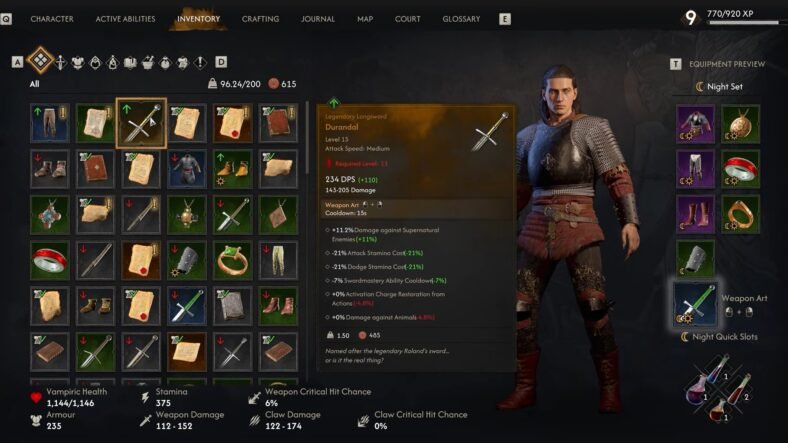
This Gothic 1 Remake Beginner’s Guide has all the tips and tricks for beginners to start playing the game. Starting in Gothic Remake can feel overwhelming. Your character is weak, equipment is limited, and even basic combat can be difficult at first. However, the game rewards patience, exploration, and smart decision-making. If you take the time to learn its systems and pay attention to the world around you, your journey through the colony becomes much easier.
Beginner’s Guide – Gothic 1 Remake
The following are all the tips and tricks that you need to kickstart your journey in Gothic 1 Remake.
Listen to NPCs and Explore Everything
One of the most valuable pieces of advice for new players is to pay attention to conversations. Gothic Remake does not constantly point you toward objectives with large markers or obvious directions. Many quests rely on information given by NPCs, and some of the best hints in the game come directly from dialogue.
Characters often explain useful combat techniques, point you toward hidden opportunities, or provide clues about where to go next. Before entering the colony itself, spend some time exploring the starting area. There is an additional location that contains a free bow, which not only gives you an early weapon but also helps teach some of the game’s mechanics. The opening area is designed to encourage exploration, so take advantage of it and search around carefully.
The game also allows activities such as stealing and pickpocketing. These can be useful ways to obtain resources, but you should always be cautious because getting caught can create problems.
Meeting Drax and Learning Hunting Skills
Shortly after entering the colony, you will encounter two hunters from the New Camp named Radford and Drax. Besides introducing you to life outside the Old Camp, they also provide useful information about the world.
Drax is especially important for beginners because he can teach hunting skills. These abilities allow you to collect trophies from defeated creatures, such as claws, hides, and other valuable materials. Selling these trophies is one of the earliest ways to earn ore, which serves as the colony’s primary currency.
Drax can also guide you toward the New Camp. However, if this is your first playthrough, it may be better to visit the Old Camp first and explore your options before deciding where you want to go.
Choosing the Right Faction
Eventually, you will need to decide which faction you want to support. The colony contains three major camps, and each one offers a different experience.
The Old Camp is the most organized faction. Gomez rules it. Players who join this camp begin their journey as Shadows and can later advance toward becoming Guards or Fire Mages depending on their preferred playstyle.
The New Camp is far less structured and values independence. Its members include Bandits, Mercenaries, and Water Mages. The camp’s questline can be challenging, but many players enjoy the freedom it offers. Joining this faction gives access to both combat-focused and magic-focused progression paths.
The Swamp Camp, also known as the Brotherhood, follows its own beliefs and worships the Sleeper. Members begin as Novices and can eventually become Templars. This path creates a character that combines melee combat with magical abilities.
Before making a final choice, spend time visiting every camp. Completing quests for different factions allows you to gain experience, earn rewards, and learn more about the colony. The game is designed to let you explore your options before committing.
To earn membership, you must complete tasks for influential characters within each camp. Diego serves as an important contact for the Old Camp, Lares represents the New Camp, and Corkalom is one of the key figures in the Swamp Camp. Speaking with them regularly helps you track your progress toward joining their faction.
Travel Safely During the Early Game
When exploring the colony for the first time, avoid rushing into dangerous areas. Stick to roads and established paths whenever possible. Most early encounters will involve creatures such as scavengers, mole rats, wolves, and bloodflies. Stronger enemies become more common as you move farther from safe areas.
Certain NPCs can act as guides between camps. Using these guides is extremely helpful because they know safe routes and can deal with enemies you encounter along the way. Even better, you still receive experience when those enemies are defeated, making these trips both safe and rewarding. As you become stronger and obtain better equipment, you can gradually begin exploring forests and more dangerous regions.
Save Often and Use Your Journal
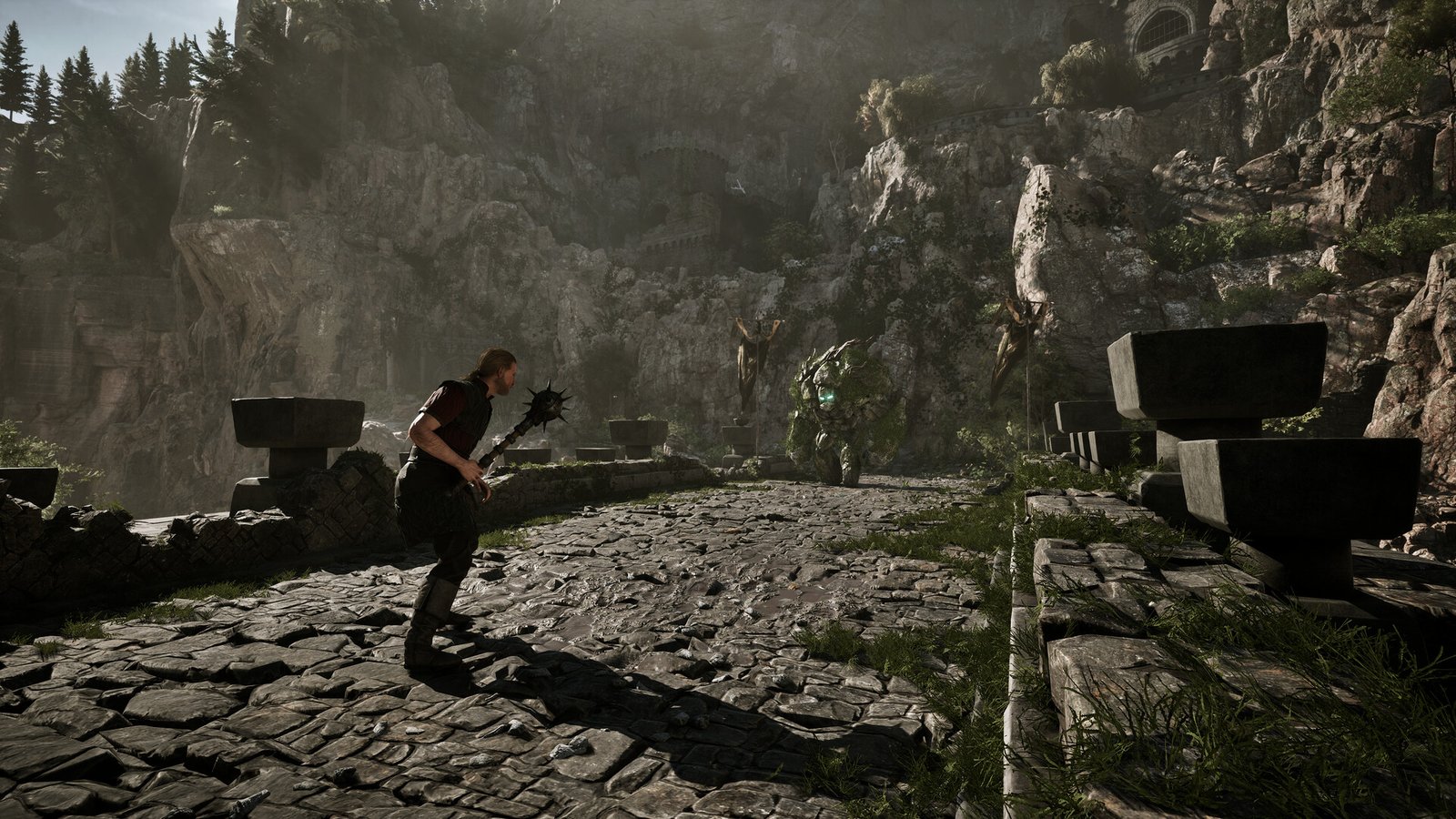
Saving frequently is one of the most important habits you can develop. Quick saves should be used regularly while exploring, and manual saves should be created before important quests, major battles, or risky decisions. The autosave system can help, but it should never be your only backup. Having multiple save files can prevent a lot of frustration later.
Your journal is equally important. The Nameless Hero records useful information about quests and objectives as you progress. If you ever forget where to go or what to do next, checking the journal can often point you in the right direction.
Spend Learning Points Carefully
Defeating enemies and completing quests rewards experience. Every time you gain a level, you receive additional health and learning points.
Learning points are one of the most valuable resources in the game because they determine how your character develops. Instead of spending them immediately, take some time to plan your build. A well-planned character is usually far stronger than one that invests points randomly.
Use the Glossary Whenever You Are Lost
Besides the journal, Gothic Remake includes a glossary that gradually fills with information as you explore the world. The glossary contains notes about important characters, creatures, locations, and various groups within the colony.
Many players overlook this feature, but it can be extremely useful. If you forget where a character is located or need a reminder about a specific area, the glossary often provides enough information to help you find what you are looking for without having to wander.
Search for Hidden Equipment
Exploration is always rewarded in Gothic Remake. Valuable items are hidden throughout the world, often in places that are easy to miss. One example is a bow hidden inside an underwater cave located along the route from the Exchange Zone toward the Old Camp. It is a useful early weapon that many players walk right past.
Another early reward can be found near the bridge leading to the New Camp. If you head to the left side of the bridge, defeat the goblin guarding the area, and loot the nearby chest, you can obtain a solid starting sword. If an area seems too dangerous, simply return later. Hidden items do not disappear, so there is no need to force difficult fights before you are ready.
Getting Better Armor Early
Protection is extremely important during the opening hours of the game. While purchasing basic Digger clothing is one option, there is also a way to obtain free armor.
After reaching the New Camp, head toward the mine and speak with the Swiney NPC there. He can provide you with a free armor set, giving you a useful boost to your defenses without spending valuable ore. A good armor upgrade allows you to explore more safely, survive longer in combat, and reduce the amount of healing you need to use.
Buy a Map as Soon as Possible
Obtaining a map should be one of your early priorities. Maps can be purchased from Graham the designer, although other traders may also carry them.
The price is relatively low, especially compared to how useful a map becomes throughout your adventure. In addition to helping you navigate, you can place markers on locations that you want to revisit later. This is particularly useful when you discover caves, ruins, or monster-filled areas that are currently too dangerous to explore.
Finding a Place to Sleep
Unlike many RPGs, sleeping is not something you can do anywhere. You need access to an actual bed, and not every bed is available for your use.
Each camp contains places where you can establish a resting spot. The Old Camp offers a hut that can serve as a home. The New Camp contains a house that can become available after dealing with its current owner. The Swamp Camp also has several sleeping options, including huts located toward the back of the settlement. Having a reliable place to rest makes exploration much more convenient.
Understanding What to Keep and What to Sell
Managing your inventory correctly can save you a lot of ore over the course of the game. When it comes to weapons, there is usually no reason to keep outdated equipment once you find something stronger. However, always keep your best edge weapon and your best blunt weapon. Different enemies react differently to damage types, and certain creatures are much easier to defeat with the correct weapon.
Potions should rarely be sold. Health potions are valuable during difficult fights, while mana potions remain useful even if you are not primarily using magic.
Herbs are worth keeping as well. Some can be consumed for small benefits, but many become useful ingredients for alchemy later. The same rule applies to food ingredients. Raw meat should be cooked rather than eaten immediately, and vegetables are often better saved for recipes.
Scrolls are another category that should generally be stored instead of sold. Even non-mage characters can benefit from powerful one-time magical effects. Runes are more situational, but keeping them gives you options if you decide to experiment with magic later.
Rings and amulets should also be saved whenever possible. Even weaker accessories can become useful in certain situations when you need additional protection or temporary stat boosts.
Alcoholic items can usually be sold, but keeping one or two of each type is recommended because some NPCs may request them during conversations or quests.
Trophies collected from animals are one of the best ways to earn money, although some crafting systems may occasionally require them. Junk items should be sold immediately, while crafting materials should almost always be kept because they become important later, especially if you invest in smithing.
How Trading Works
The trading system is more complex than it first appears. Merchants do not have unlimited ore, and their wealth can change depending on previous transactions. As you trade with them, their inventory and available resources may shift over time.
Different merchants also value certain items differently. Some are willing to pay more for specific goods, which can significantly increase your profits if you pay attention to who you are selling to.
Another important detail is that repeatedly selling large quantities of the same item to a single merchant gradually lowers its value. Instead of dumping everything at once, spread your sales around when possible.
Whenever you need equipment, consider offering items in exchange rather than spending ore directly. Ore is required for training and equipment upgrades, making it one of the most valuable resources in the game. Merchant inventories also change between chapters, so it is worth revisiting traders periodically to check for new items.
Why Armor Should Be a Priority
Armor upgrades provide some of the best long-term value in the game. Instead of simply purchasing a completely new armor set every chapter, Gothic Remake allows players to improve individual pieces such as torso armor, belts, and leg protection.
Hunting and Blacksmithing
Learning hunting early is very useful because animal parts like hides, teeth, and claws can be sold for steady income. Trainers can teach these skills for learning points, but the investment pays off over time.
Blacksmithing allows you to craft weapons, but it requires understanding weapon parts, materials, and workbenches. It is useful mainly for players who want strong melee builds, although buying weapons is sometimes cheaper.
Cooking and Alchemy
Cooking improves healing by turning raw meat into stronger food. Stews made in cauldrons are even more effective and restore more health, though they are not always usable in quick combat.
Alchemy helps create potions, which become very important later in the game. Learning recipes and collecting herbs allows you to make stronger healing and mana items instead of buying them.
Lockpicking System
Lockpicking is one of the more complex mechanics. Each lock works like a puzzle where moving one piece can affect others. Some locks are simple, while others require careful planning.
Before attempting a chest, it is smart to save the game. Then test which parts move independently and solve the puzzle step by step instead of guessing randomly. Improving lockpicking skills makes this process much easier.
Special Skills: Inscription and Climbing
Inscription is mainly useful if you are playing as a mage since it helps create scrolls. For other builds, it is not very important.
Climbing is a late-game essential skill. You can learn it in the swamp area, and while it is not needed early, it becomes required later, so it should not be ignored completely.
Build Focus and Character Growth
Your character becomes stronger when you focus on a specific build. Melee fighters should invest in strength and weapon skills. Ranged fighters should focus on dexterity and aim, while mages should prioritize mana and magical circles. Trying to master everything at once makes progression slow and weak, so specialization is much more effective.
Combat Basics and Weapon Types
Combat relies on timing rather than button spamming. There are different attack types, including light swings, heavy strikes, and stabs. Learning when to attack and when to defend is more important than raw speed.
Weapons also behave differently. Sharp weapons are fast, while blunt weapons can stun enemies. Some creatures can only be damaged properly with specific weapon types, so carrying both is useful. Blocking, parrying, and dodging are essential skills. Enemies become more dangerous later, especially human opponents who can also block and counter your attacks.
Magic and Scroll Usage
Magic becomes extremely powerful later in the game. Scrolls are one-time-use spells, while runes can be used repeatedly once unlocked. Higher-level magic requires learning magical circles first.
Even non-mage builds can benefit from scrolls for emergencies or special situations. Some spells deal damage, while others help with stealth, movement, or utility. Mana management is important if you choose a magic build, as stronger spells require more resources but provide huge advantages.
That is all for this guide. Additional Gothic 1 Remake guides are linked below:
- Gothic 1 Remake Mercenary’s Blade Guide – How to Increase Maximum Damage
- Gothic 1 Remake Ancient Ore Armor Guide – How to Get It Early
- How to Get Scar’s Sword in Gothic 1 Remake – Best One-Handed Sword Guide
- Gothic 1 Remake Santino’s Chest Guide – How to Solve Plate Puzzle and Unlock the Chest
- Gothic 1 Remake Lockpicking Guide – How to Open Locked Chests
That is everything that we have for our Gothic 1 Remake Beginner’s Guide. If you have some tips and tricks for mastering the game, make sure to let us know in the comments section below.