Developed by Gust and published by KOEI TECMO GAMES, BLUE REFLECTION Quartet is a collection of four games in its long-running emotional, magical series that revolve around girls in schools. The series features four titles, out of which one was originally an anime while another was mobile-only, marking it one of the most definitive and complete releases for fans of the series. This RPG series revolves around special girls called Reflectors who travel into the Common, a world shaped by humans’ insecure thoughts and emotions, and defeat monsters and creatures known as Sephira to protect humans and their world. This unique franchise is a little less known when compared to other RPGs of a similar sort like Persona, Ni no Kuni, and Atelier, but after playing all four titles in the series, I can easily say that it deserves attention, nonetheless. This is our review of BLUE REFLECTION Quartet on the PC via Steam, in which we explore twisted worlds formed by human insecurities and battle gigantic monsters in satisfying combat.
Booting up the game leads to an initial menu screen where you can jump into the game or go into the settings to tweak the audio, visuals, or controller setup. The main addition here is the Reference section, which has detailed information about the game’s lore. Here you will find a Character screen which shows the connections between all characters with each other across all games, in a flowchart design. The glossary section features an explanation of every in-game term, while the World Chart shows the events for all titles in a sequence, with the Gallery section showing some exclusive art for the game. These are unlocked as you progress through the four games. Clicking Start Game here takes you to the game selection screen, which features a gorgeous art style for every game, and once clicked, it takes you to the main menu of that particular game.
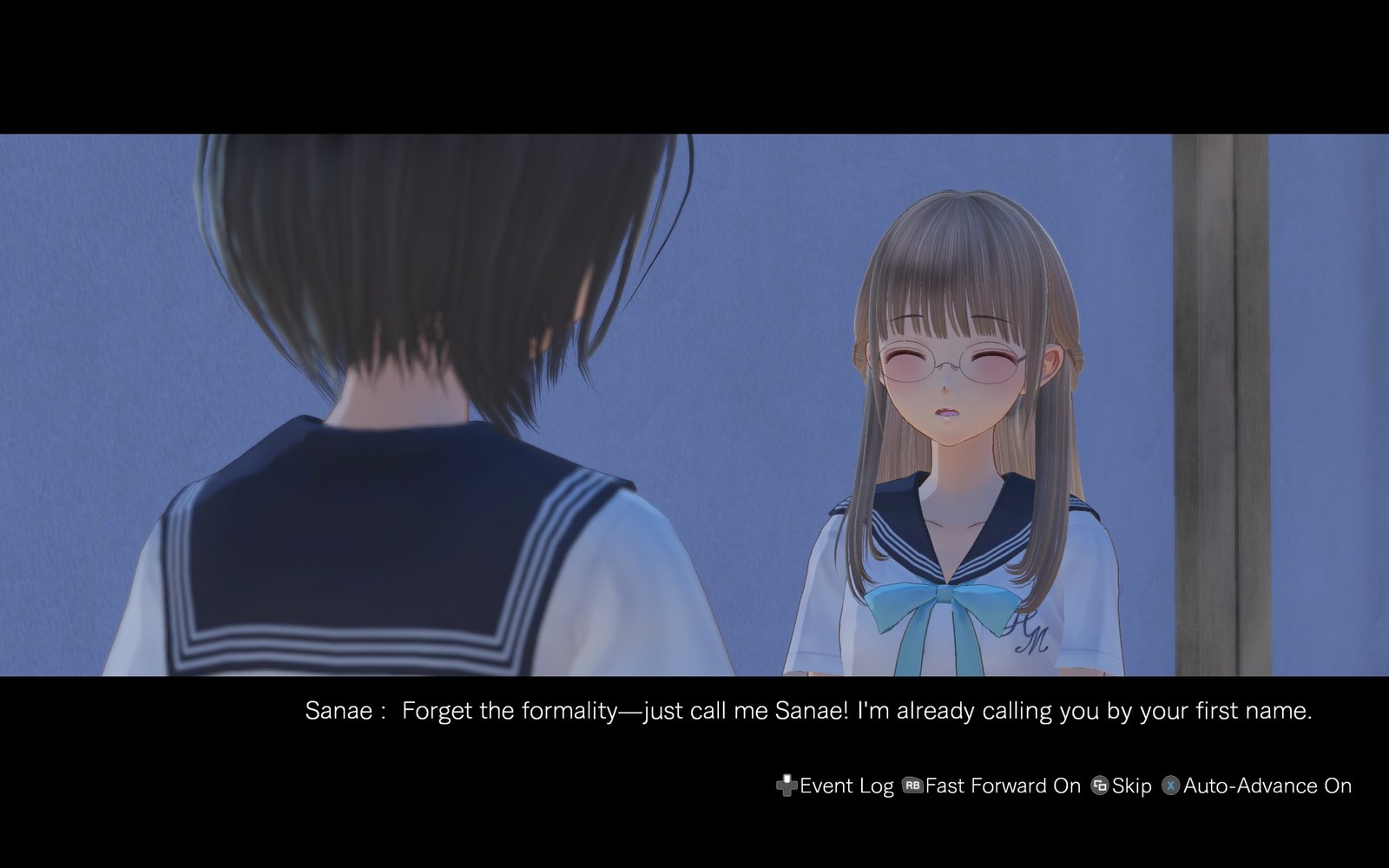
The first game in the collection is the original BLUE REFLECTION, which was originally released back in 2017 for the PS4 and PC. BLUE REFLECTION is an unusual JRPG that blends magical girl themes with slice-of-life storytelling, focusing on personal struggles rather than world-ending stakes. You step into the shoes of Hinako Shirai, a former ballet prodigy whose career is cut short by a devastating injury. As she adjusts to her new reality, she becomes entangled in a mysterious world where she helps her classmates confront their emotional trauma. The game tackles topics like depression, anxiety, loneliness, and self-worth with empathy, giving its cast a grounded, human feel even if the overarching narrative and character relationships don’t always reach their full potential.
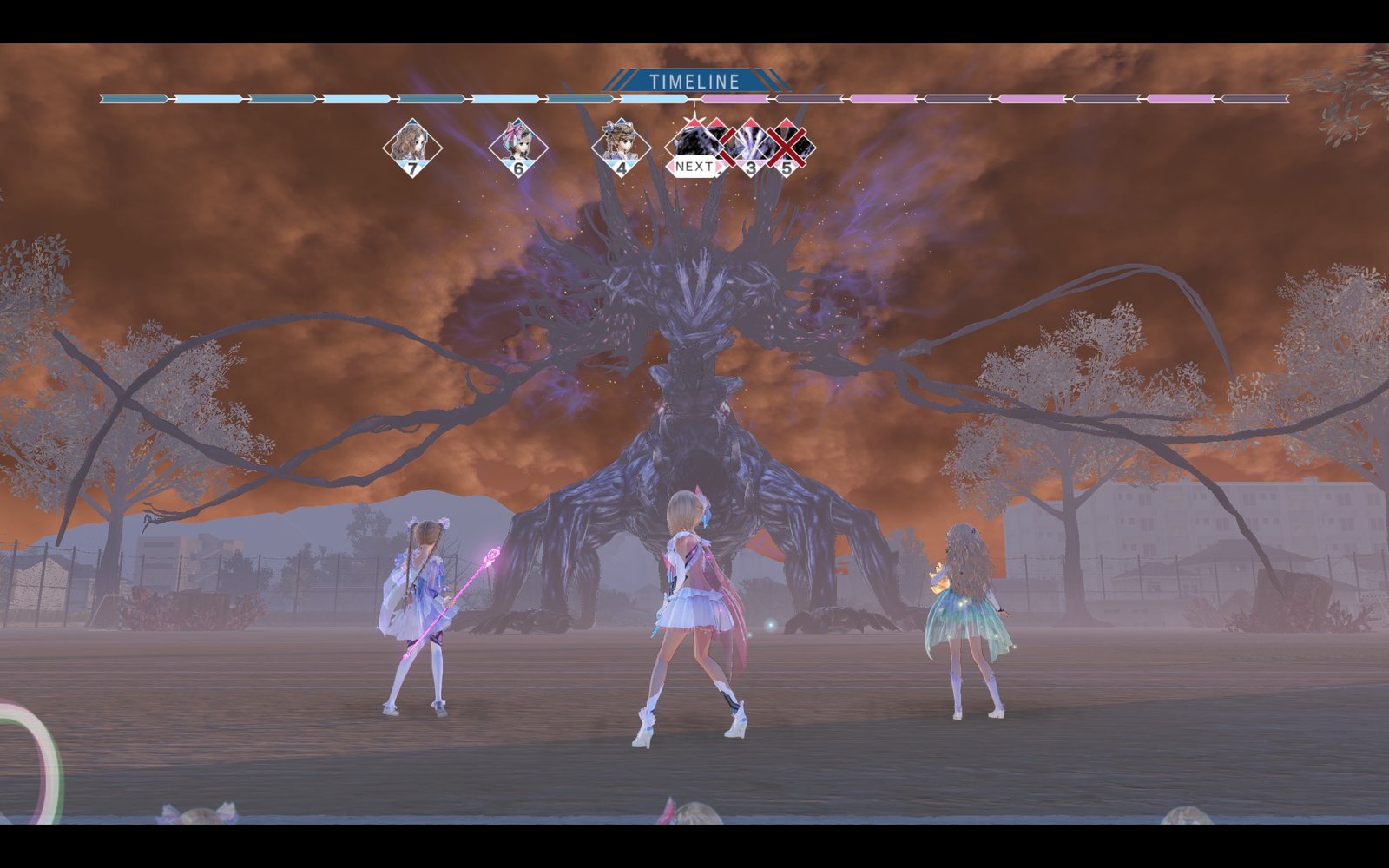
Combat is built around a turn-based battle system that gradually unlocks new mechanics as the story progresses. While the Ether Gauge, Growth system to level up, and customizable Fragment skills add depth, the gameplay can become repetitive since many standard encounters require little strategy, and players can freely unleash their strongest abilities without worrying about resource management between battles. Boss fights, however, are a completely different story. They feature spectacular enemy designs, multiple phases, evolving music tracks, and mechanics that finally showcase the combat system’s full potential, albeit with a caveat.
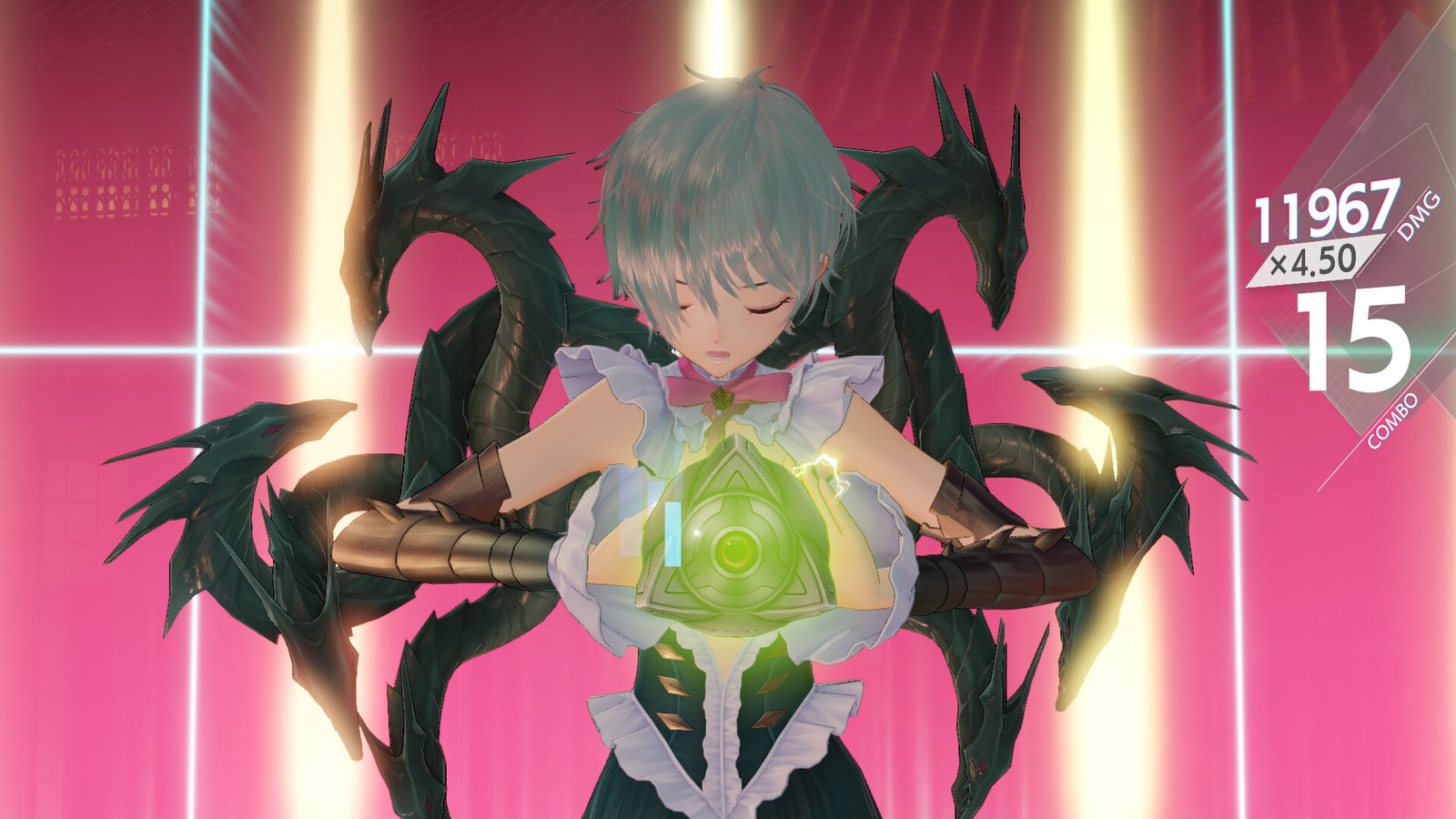
I remember my first boss battle in the game, and it was the first time I came across Sephira, one of the biggest enemies in the game. While it looked extremely intimidating at first, as the battle progressed, it was a little disappointing. One, I found it a little unexpected that the game would throw it right at the beginning when I had barely managed to level up my characters two or three times and most of the combat features were still locked, but during the battle I figured out why. The boss barely dealt any damage, and some of the previous common enemies that I had fought earlier did more damage to me than the boss. Things like this make the combat feel a little out of place from the rest of the game mechanics, which are otherwise great.
Visually, BLUE REFLECTION stands out with Mel Kishida’s distinctive character designs, vibrant magical realms, and a soft, dreamlike aesthetic that perfectly complements its emotional tone. The characters sit perfectly with the overall aesthetic of the game, and they do not feel out of place at all. The soundtrack, composed by Hayato Asano, is easily one of the game’s greatest strengths, seamlessly blending orchestral melodies with electronic elements to create memorable exploration themes and exhilarating battle music. Combined with extensive Japanese voice acting and a relaxing atmosphere, the presentation elevates the overall experience well beyond what its modest production values might suggest. If you are an English player, you will rely on English subtitles.
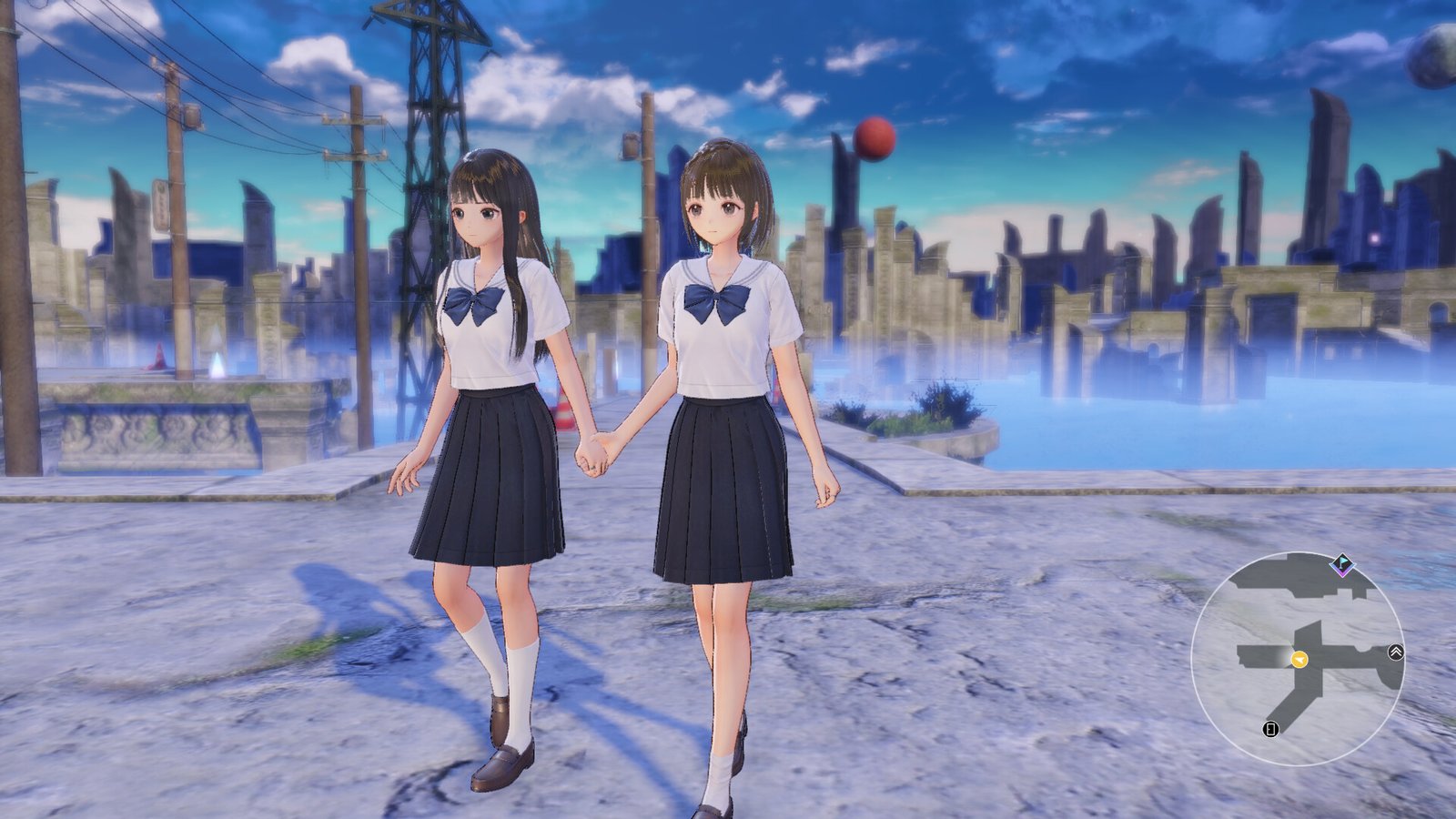
Despite its charm, BLUE REFLECTION struggles to consistently capitalize on its promising premise. Repetitive side activities, uneven pacing, and a story that takes too long to find its footing hold it back, while several supporting characters and relationships feel underdeveloped. Even so, its heartfelt themes, unique setting, memorable soundtrack, and engaging boss encounters make it a worthwhile experience for fans of character-driven JRPGs. It may not fully realize its ambitious ideas, but it lays a solid foundation that would later be significantly expanded upon by its acclaimed sequel, Blue Reflection: Second Light. It surely shows its age in today’s market, but for new fans who want to get started with the franchise, it is definitely the stepping stone towards greatness.
The version added in Quartet does get some visual and quality additions to make it appealing to modern players. The game now has an autosave, but it works like a manual save where it would open the save menu for you automatically at key points, and you can save the game yourself. Apart from this, the visuals have received an overhaul with better-looking character models and environments. If you played the original version, you would instantly notice these differences, especially the water, which now has a proper glistening effect. It is not much, but it definitely makes the environments, especially in the Common, look much more realistic. Since this is not a remake from the ground up, certain elements look a little dated, despite higher quality.
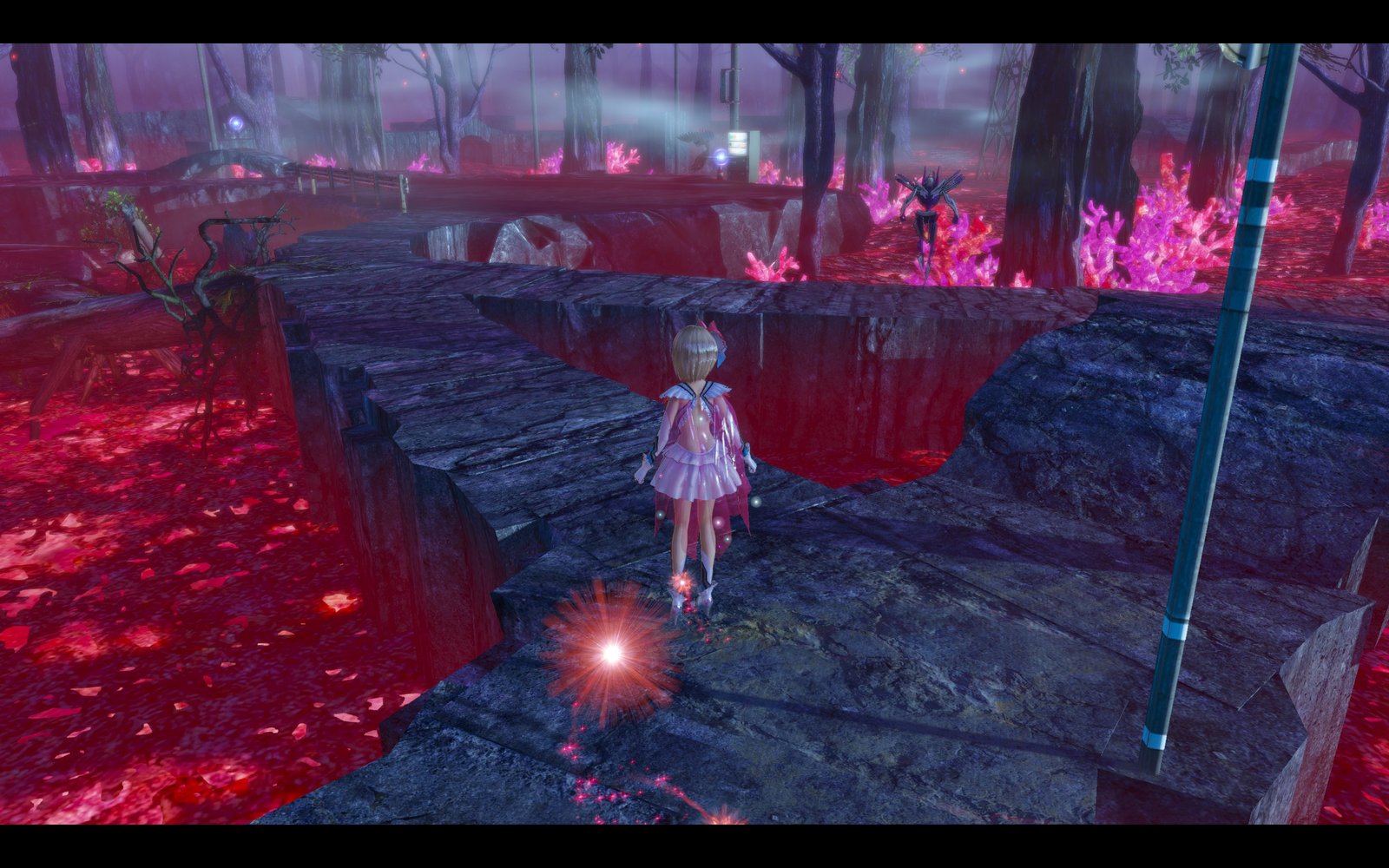
Moving on, we have BLUE REFLECTION RAY, and you will be surprised to know that this was never a video game before this release. RAY was released as an anime series in 2021, and it has been made from the ground up to be a full video game for the Quartet collection, complete with 3D models of the main characters. Out of the four games in the collection, BLUE REFLECTION RAY is also the smallest in its runtime, and I will say content-wise as well. BLUE REFLECTION RAY revolves around the story of Hiori and Ruka, who explore the Common and find their lost memory shards and hunt down Shino. The game pretty much plays similar to the first game, but it does get a bonus epilogue and prologue episode that ties it to the mainstream games in the franchise. For me, it is the most bare-bones title in the franchise, but when it comes to context and lore, it does require at least one playthrough.
The third game in the series is BLUE REFLECTION SUN. SUN was originally a mobile game, but for its latest Quartet release, a lot of work has been done to make it look and feel like a proper PC and console game. Similar to RAY, SUN is also based on the same world as that of the original game, but this time around, you have a new set of characters and a male one as well. Blue Reflection SUN takes a lot of elements from BLUE REFLECTION: Second Light, such as its combat system, boss battles, and other combat mechanics. NPCs are also interactable, and the gameplay is a crux of the original BLUE REFLECTION, complemented with the combat mechanics of the latest game in the franchise. The gatcha mobile mechanics have been toned down for its new release, which is a promising aspect of this new release, while its epilogue and prologue tie the game to other titles in the series, similar to that of RAY.
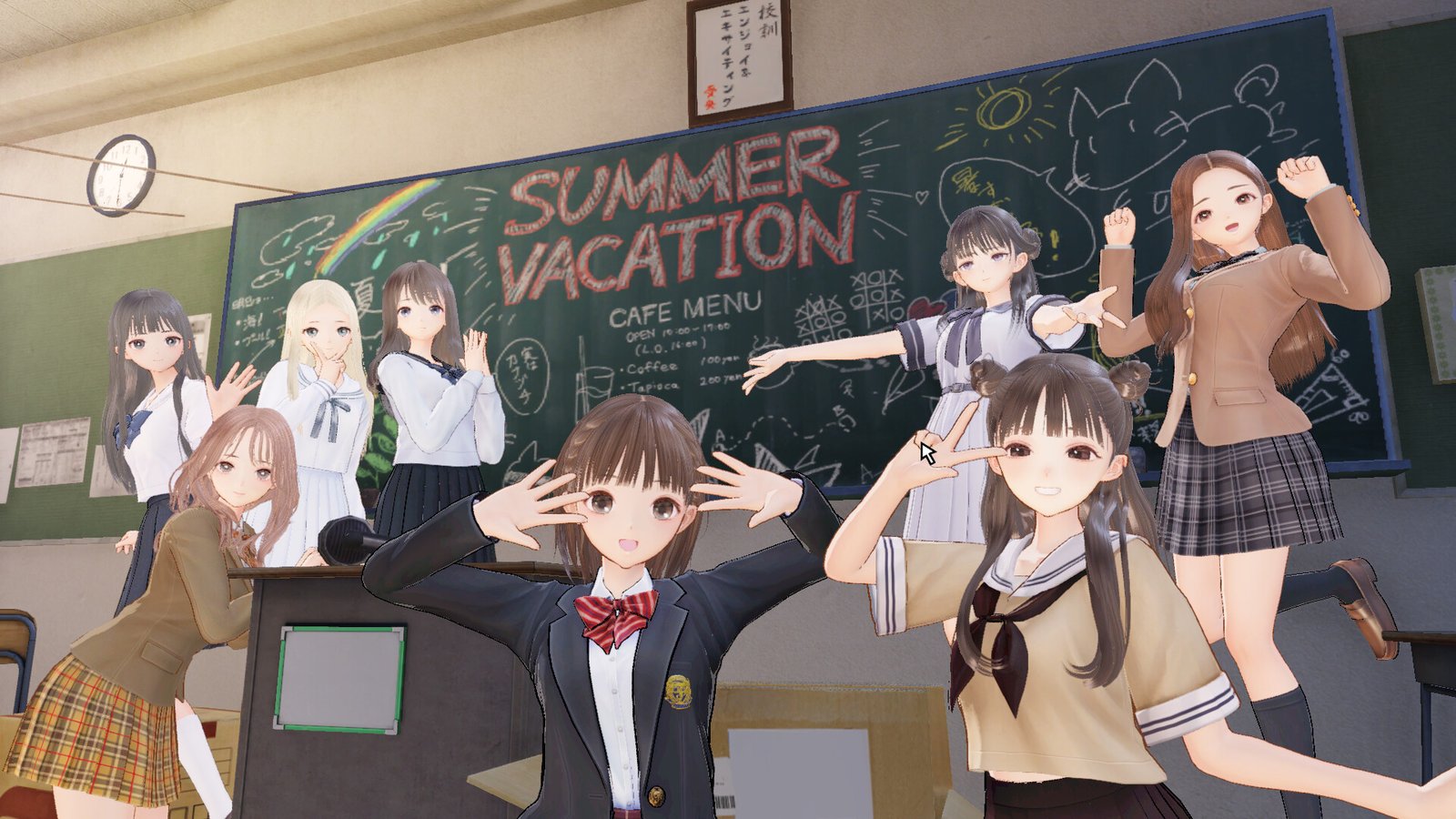
The final game in the collection is also perhaps the best one, and surprisingly, its original release is not that old. BLUE REFLECTION: Second Light was released back in 2021, and it is the actual sequel to the original BLUE REFLECTION while also connecting with the releases in the middle, RAY and SUN. BLUE REFLECTION: Second Light builds upon the foundation of the original game with a more refined gameplay experience while continuing its blend of slice-of-life storytelling and magical girl themes.
This time around, you will step into the shoes of Ao Hoshizaki and her friends who find themselves trapped in a mysterious academy surrounded by fragmented worlds born from their memories. The narrative gradually unravels the mystery behind their situation through character interactions and exploration, placing a stronger emphasis on the bonds between its cast. While the story starts at a measured pace and occasionally loses focus, it develops into a more engaging narrative as the characters regain their memories, and their shared purpose becomes clearer.
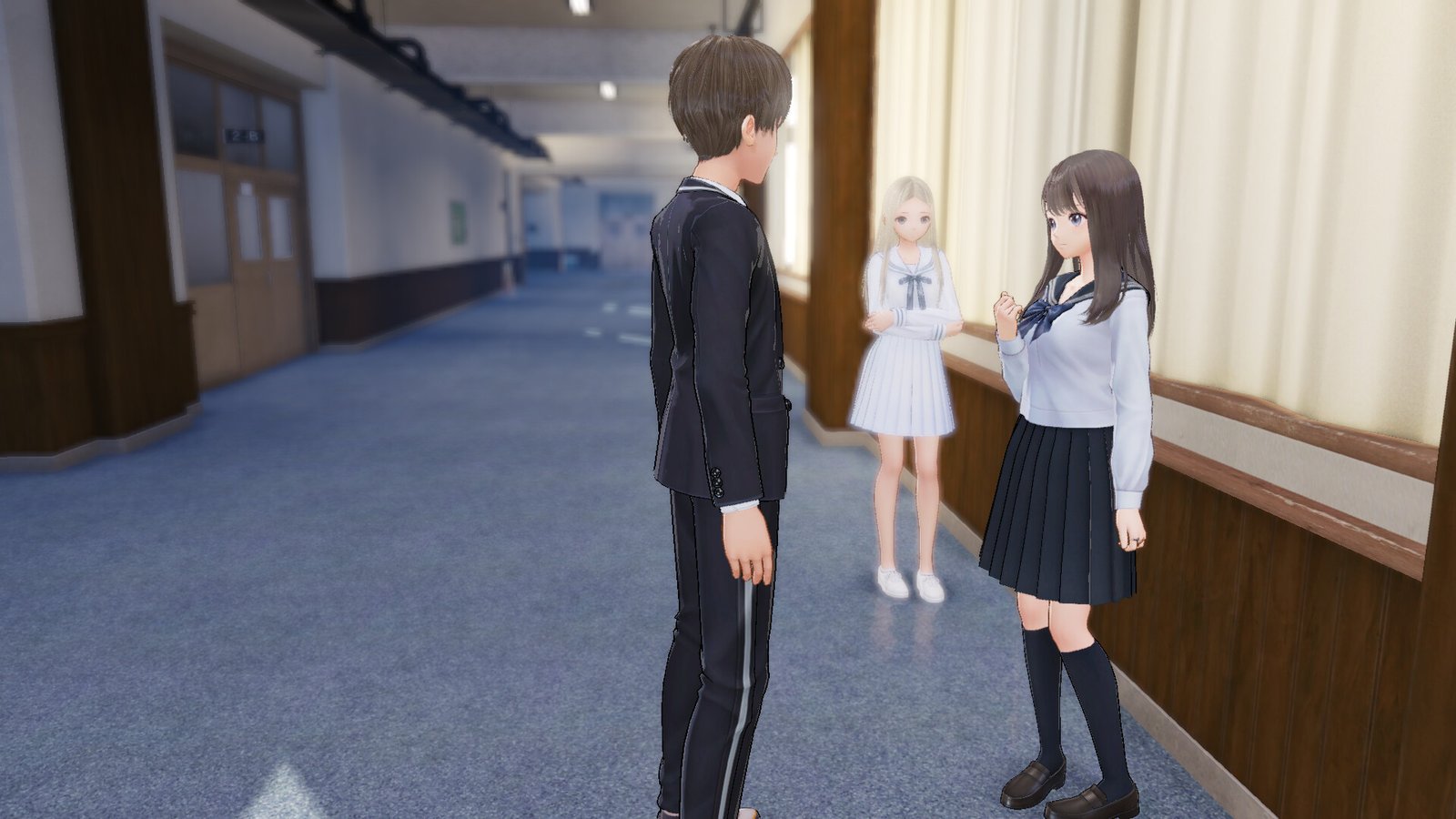
For me, combat in this game is the strongest one in all of the series. BLUE REFLECTION Second Light introduces a faster and more flexible real-time battle system with expanded support abilities, transformations, and one-on-one encounters that add variety to fights. Character progression is also deeper thanks to the Talent Point system, crafting, and customizable abilities. However, many of these systems are tied to the game’s extensive dates and social events, making character development heavily dependent on lengthy conversations. Although these interactions strengthen the relationships between the cast, their sheer volume can become repetitive, particularly during the latter half of the game. Similarly, the crafting mechanics and occasional stealth sections interrupt the otherwise smooth gameplay loop. You may like them, but for me, I found them not that interesting.
Coming to the visuals, Second Light looks the best as well, because it is also the newest game in the franchise, with expressive character models, colorful environments, and a polished anime-inspired art style. If you play all four games in a sequence, you will easily see how much better it looks than the previous releases. The soundtrack once again complements both the quieter character moments and the more intense battles, while the improved dungeon design and quality-of-life features, such as chapter recaps and an expanded database, make the overall experience more accessible than its predecessor. While it is more demanding than the original game, it generally runs well and complements the game’s vibrant anime-inspired art direction. The game maintains a stable experience with improved visuals and smoother overall presentation than any of the previous games.
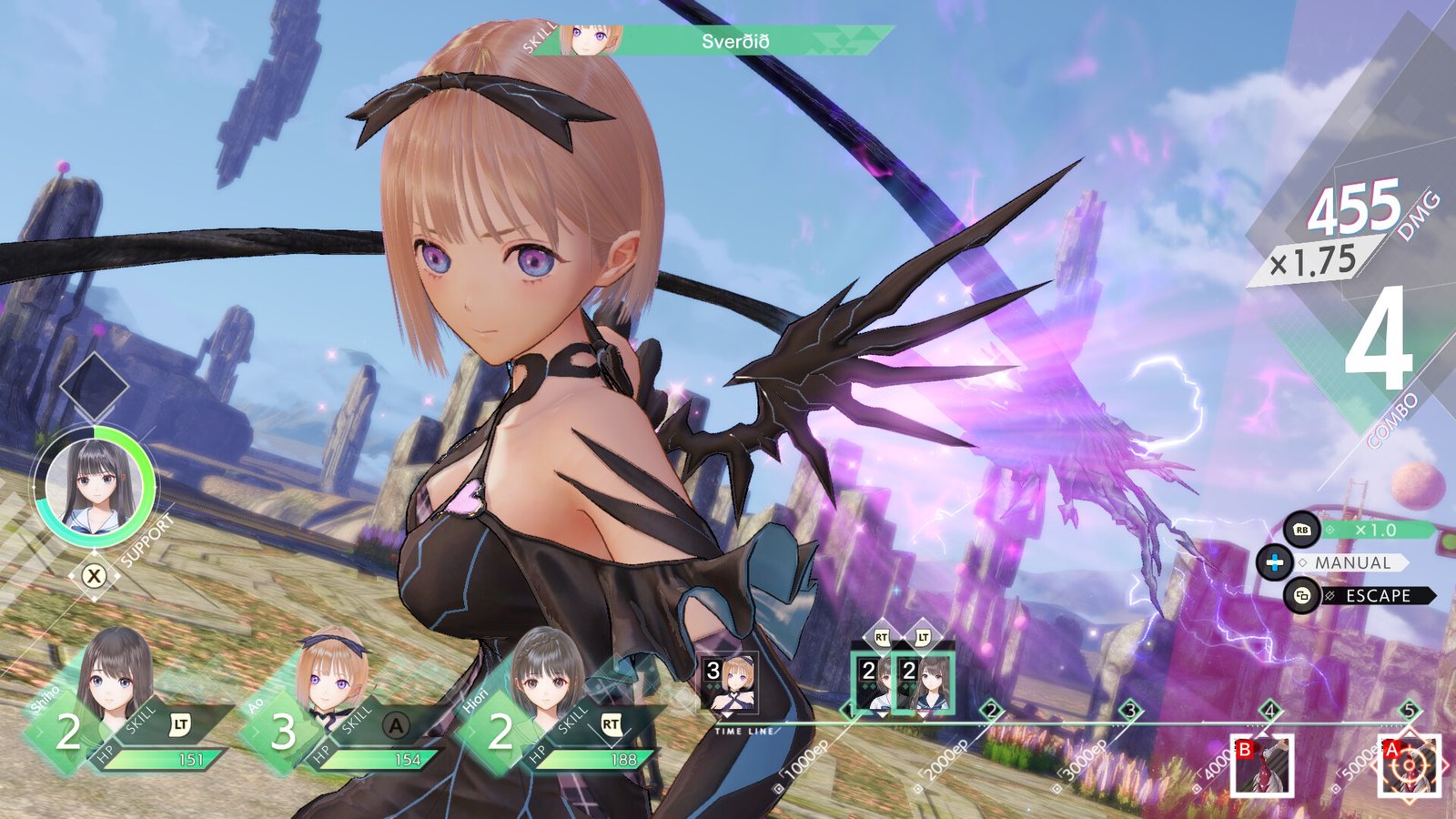
Overall, BLUE REFLECTION: Second Light is the best form of the original formula, offering deeper gameplay systems, stronger combat, and a larger focus on character interactions. Unique to this release, it also brings eight unique characters from RAY and SUN as party members, so players who enjoyed the original release will find something new here to play around with. While its slower pacing, repetitive social events, and occasionally cumbersome progression systems prevent it from maintaining momentum throughout, it remains a worthwhile JRPG for players who enjoy character-driven adventures. Fans of the original game will appreciate its gameplay improvements and expanded world-building, while newcomers can still enjoy it as a standalone experience, though familiarity with the wider Blue Reflection universe adds valuable context to several characters and story developments.
I also like the fact that all four games in Quartet naturally connect. Rather than feeling like isolated stories, they gradually expand the BLUE REFLECTION universe, rewarding players who experience them in release order. By the time Second Light reaches its conclusion, many narrative threads established across the earlier titles come together satisfyingly. The game runs technically sound with decent frames, but the game does go back to the desktop when you select the game from the main menu. It feels like the game shuts down, and a new client takes over. This is nothing game-breaking, but it does not look good. You can simply grab a controller and enjoy the entire franchise from beginning to end, as none of the games are particularly demanding or overly complex in their gameplay. Loading times are also short, ensuring the overall immersion is rarely interrupted.
BLUE REFLECTION Quartet costs $49.99, and for it, it allows players to experience four expansive RPGs in the franchise; once you play all four, you will have experienced the entire franchise. While RAY and SUN might lack the world design and systems of the mainstream games, both of them serve as important titles in the franchise. Just looking at how the developer converted an anime into a video game and also ported a mobile game to PC and console shows the level of attention the developer put into it.
Related News:
Final Verdict:
BLUE REFLECTION Quartet is the definitive way to experience Gust’s magical-girl RPG franchise. While not every entry reaches the same level of quality and some of the older games show their age through repetitive gameplay and slower pacing, the collection successfully preserves the entire saga in one package. The newly adapted versions of RAY and SUN, along with visual enhancements and quality-of-life improvements for the original releases, make this much more than a simple re-release. Whether you are discovering the series for the first time or returning to revisit its emotional stories, BLUE REFLECTION Quartet offers dozens of hours of heartfelt storytelling, memorable characters, and satisfying turn-based combat that make it an easy recommendation for JRPG fans.
Final Score: 8.0/10
Disclaimer: A PC Steam review code for BLUE REFLECTION Quartet was provided by One PR Studio on behalf of KOEI TECMO America. For a detailed breakdown of our scoring and review process, please refer to our Review Policy.