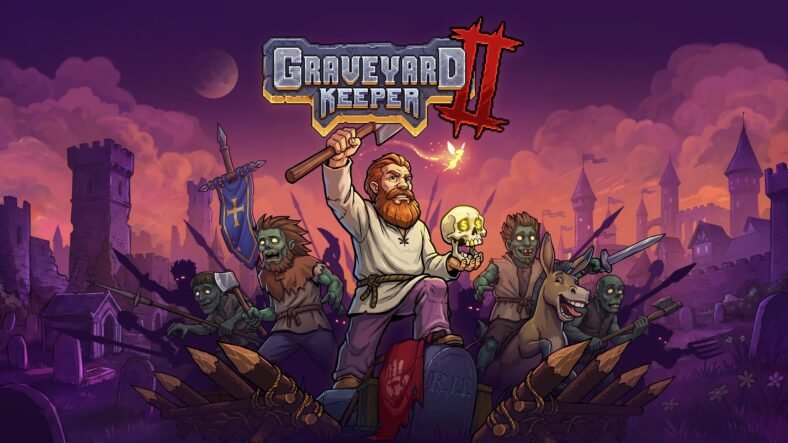
Developed by Lazy Bear Games and published by tinyBuild, Graveyard Keeper 2 takes the darkly humorous management-sim formula of its predecessor and expands it into a much larger adventure. You once again step into the role of a Keeper, tasked with managing a graveyard, but this time there is much more to juggle, including automation, zombie assistants, exploration, town restoration, and an expanded combat system. While many of its core mechanics will feel familiar to returning players, the sequel introduces enough new systems to make the experience feel considerably broader. The result is a game that rewards patience and experimentation, although its reluctance to explain some of its mechanics can make the early hours more frustrating than they need to be. This is our review of Graveyard Keeper 2 on PC via Steam, in which we defend a town from zombies and try to extract everything we can from a dead body.
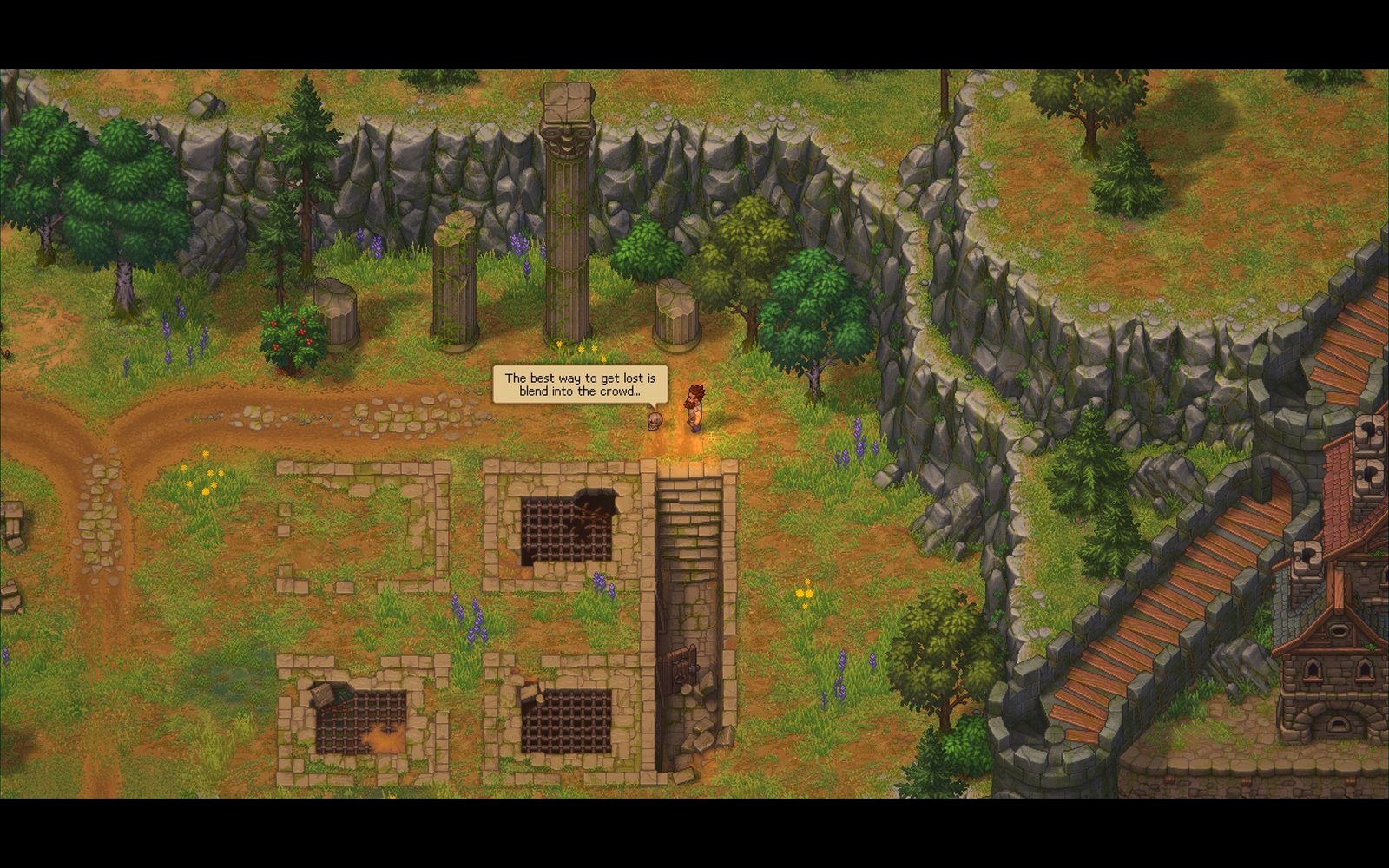
Graveyard Keeper 2 kicks off a few years after the first game with your main character trapped inside a dungeon. The backstory is revealed to you by a talking skull that joins your journey quite early in the game and becomes your guide. It turns out that the first game’s Keeper was responsible for some questionable actions. Since he was cloned, his second copy was blamed for the original Keeper’s actions and locked up. However, the second one manages to escape with the help of a fairy, and thus the story of the second game begins. It turns out our character not only becomes a Graveyard Keeper but also fakes being an Inquisitor, as he managed to find some symbols and items inside a tomb, resulting in common people believing that he was indeed an Inquisitor.
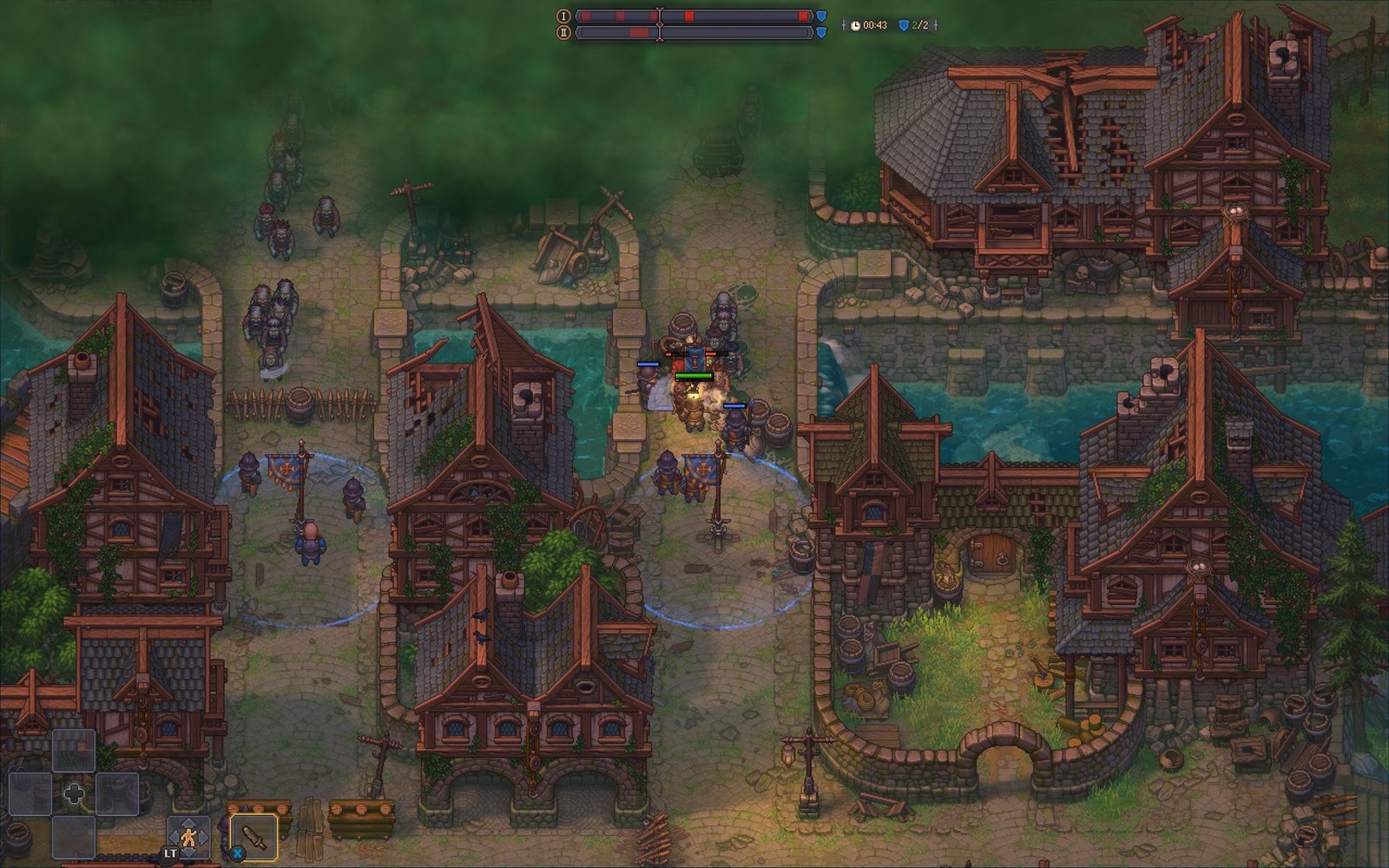
Let’s start with the obvious additions in Graveyard Keeper 2, which are automation and the ability to bring back the dead and use them as assistants for your tasks. Combat is also a vital aspect of Graveyard Keeper 2; however, it is not a traditional combat game where you just don your armor, pick up weapons, and slay hordes of zombies. Instead, you must craft defenses, lead your own undead army, and try to push back the undead from attacking the city. You will craft your own weapons and armor too, but the main aspect of combat remains centered on your undead army and the defenses that you prepare. If you prefer fighting with the living, you can look for and hire mercenaries in the game.
During these combat sequences, there isn’t much micromanagement beyond placing defenses, and you can also pick up banners and lead your soldiers, living or undead, to specific locations in order to capture specific points on the map. Success in battles will allow you to push back the undead and free up the town, allowing the NPCs to move back in. Once free, you can help the townsfolk rebuild their structures and buildings. The relatively large map also gives you plenty of room to explore and plenty of tasks to juggle.
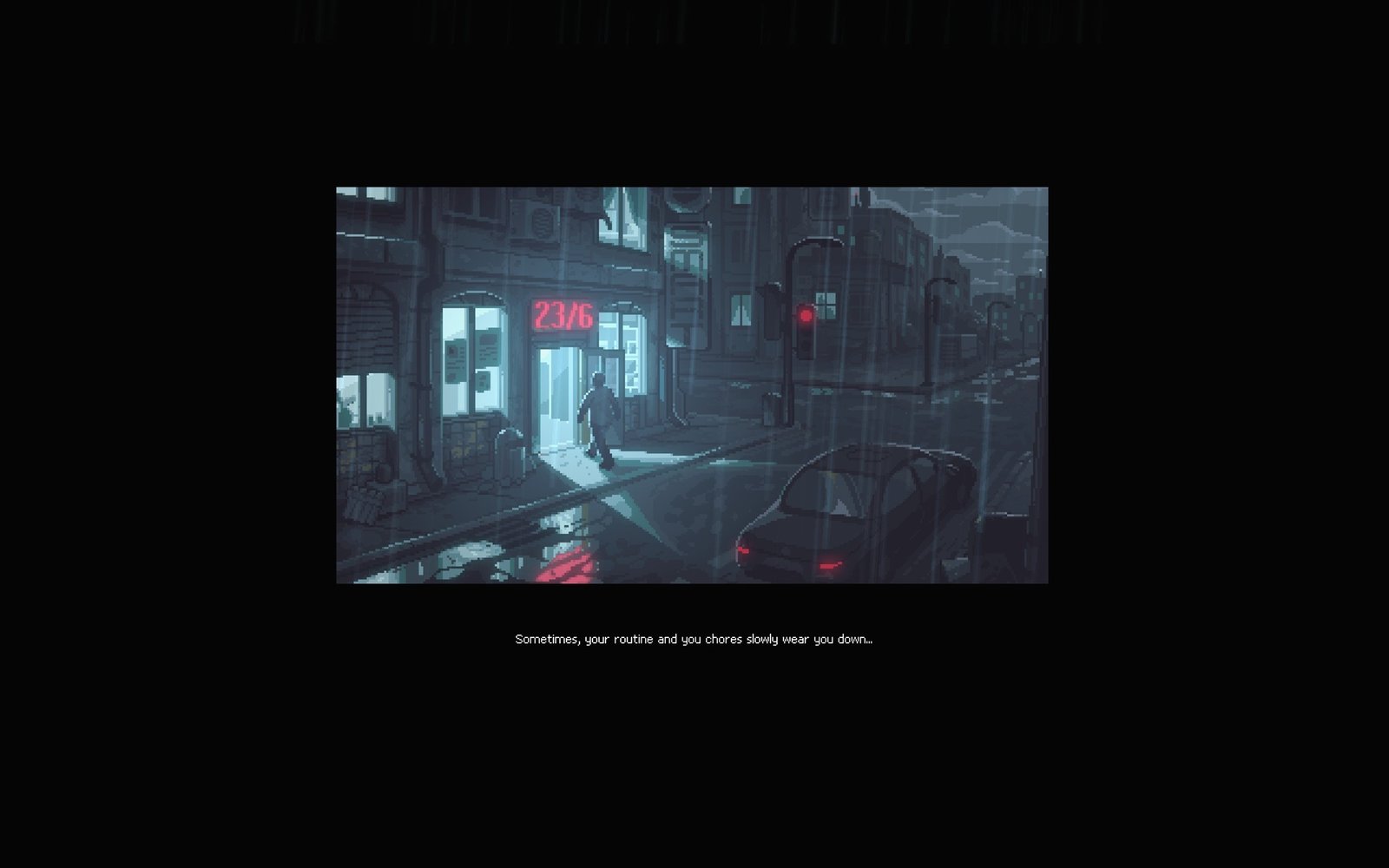
Exploration is equally rewarding, as going off the beaten path always leads to something of value. Graveyard Keeper 2 does not hold your hand when it comes to quests or anything else. It gives you a basic direction in what needs to be done and expects you to figure it out on your own. Quite early, I got stuck when I had to craft some wooden planks but did not know that the game has its wood stockpile where I have to drop wood logs in order to use them. Easily said, I spent quite a lot of time figuring out just this basic mechanic. The same applies to quests where a specific NPC will ask you for an item, but you have to figure out how to craft or find it.
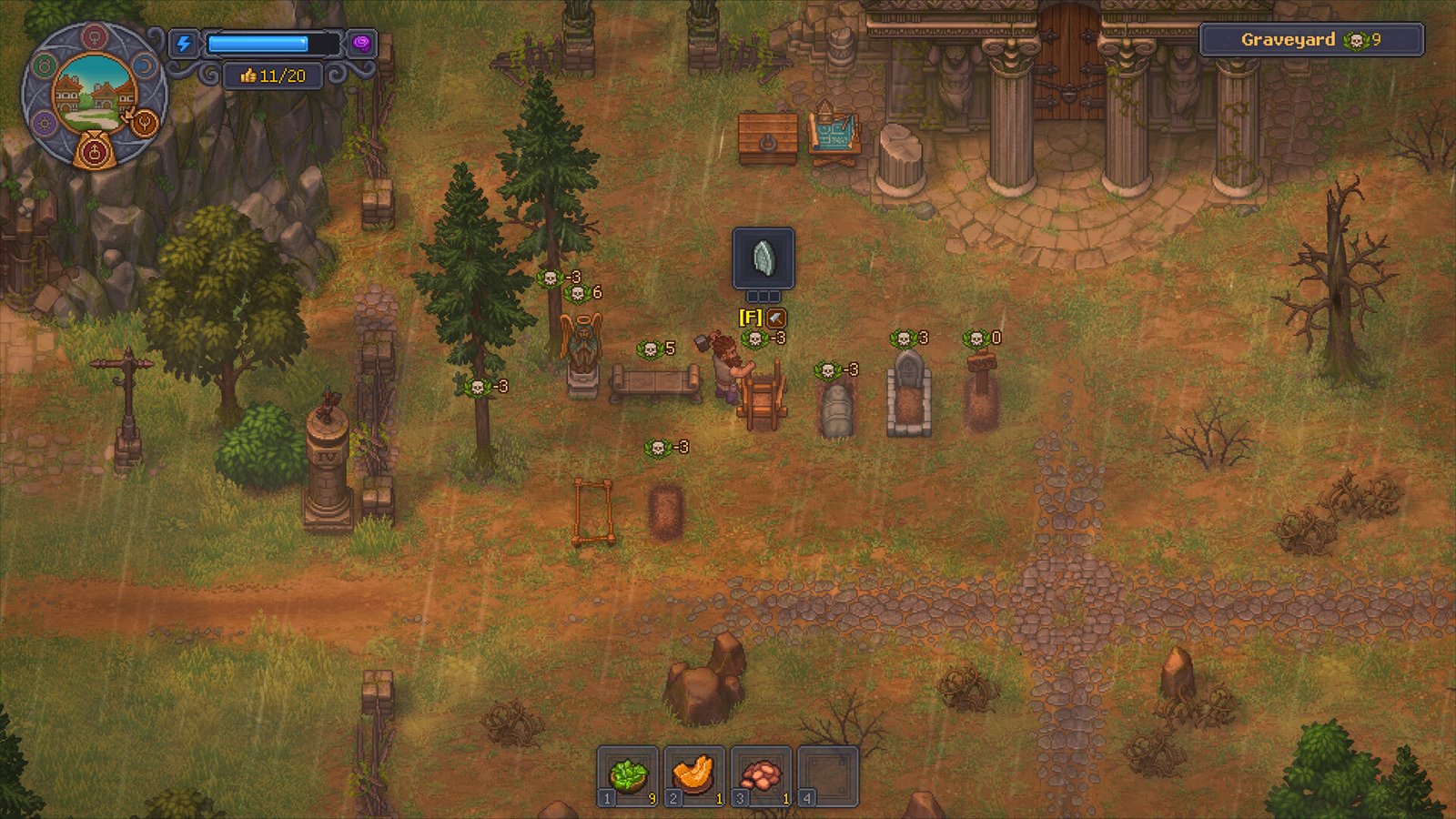
Despite the new gameplay additions, Graveyard Keeper 2 remains a management sim, where you have to maintain a graveyard and perform all of its associated duties. When a body drops, you can take it inside the morgue and inspect it. You can harvest whatever useful materials you can from it before burying it in a grave.
A separate crafting table for the graveyard lets you prepare the ground for graves. You must ensure that the red skulls are fewer than the white skulls, which keeps the graveyard quality high. Inside the morgue, when you remove body organs and items from the body’s pockets, you can try to remove as many red skulls as you can. This will allow you to ensure that the body has a lesser impact on the overall quality of the graveyard. Once you have buried the body, you can place different items on it, like grave markers or fences, to make a grave look appealing. The better maintained the graveyard is, the better the morale of the city’s forces becomes.
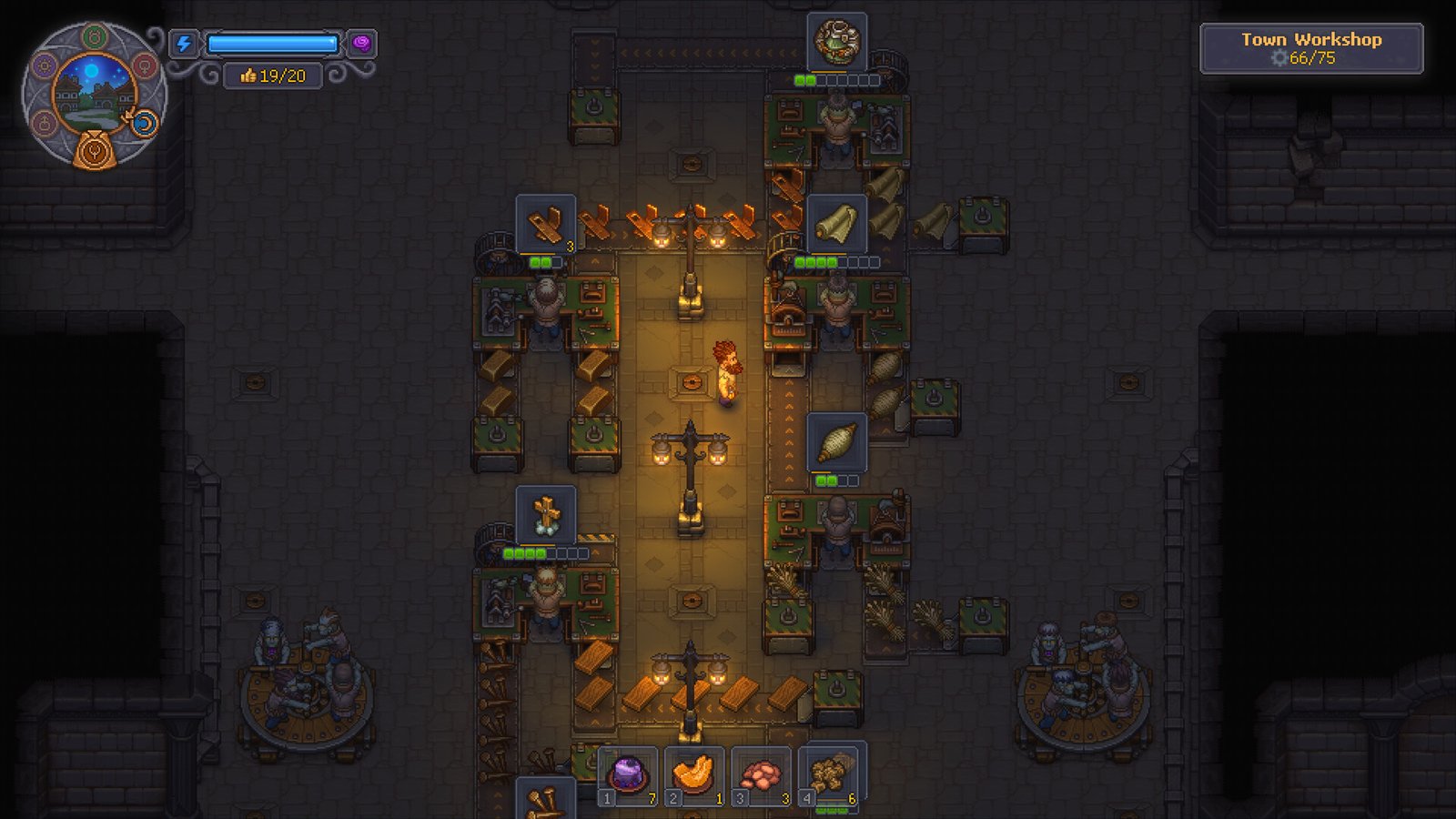
Later in the game, you can awaken these undead people and assign them to various tasks around your graveyard as you expand and gradually move towards automation. In later parts of the game, you will need a lot of resources, and for that, the game allows you to create fully automated systems with zombie assistants who can use conveyors and machines to create and transport the materials you need.
Similar to your character, your zombie assistant will earn skill points for performing various tasks too. However, these skill points remain unique to each assistant, so you must invest them into that particular zombie to make it more effective at its assigned tasks. Automation plays a key role in Graveyard Keeper 2, and you will need to use everything it has to offer to progress in the later sections of the story.
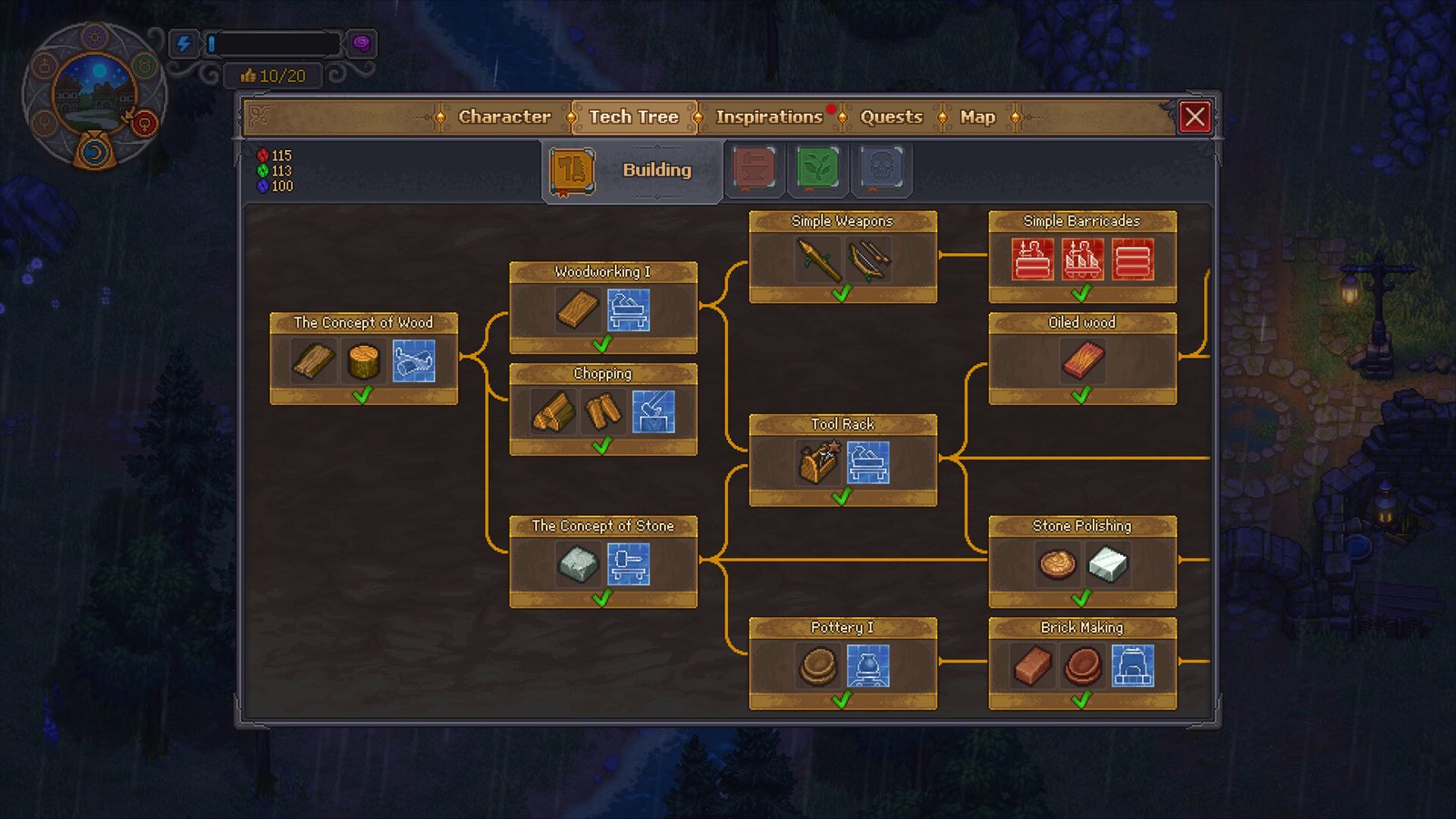
Graveyard Keeper 2 has a detailed Tech Tree that allows you to unlock new technologies and skills while increasing your mastery across four different categories. These range from Building and Metallurgy to Anatomy and Alchemy. You have three types of activity points, which are primarily used to unlock new skills in these skill trees. You earn these points by completing specific tasks related to that particular tree. For example, cutting down trees will earn you green points, mining stone will net you red points, and so on. Once you have enough points, you can head over to the Tech Tree and buy new technologies. Each node will unlock new blueprints and recipes for buildings and items.
The other main progression element is your own personal advancement in the form of new perks, which increase your mastery level for mining, chopping, and other activities. Increasing your mastery allows you to perform advanced tasks and use less energy while performing better. To unlock nodes, you must have inspiration points, which are earned by completing actions. Once you have completed an inspiration, you can buy that particular inspiration and gain a point in that respective tree. These can be spent to buy perks, which can either increase your mastery or unlock benefits for various tasks in the game.
While quests are the main form of progression in the game’s story, you cannot proceed without properly investing time and energy into both the Tech Tree and Inspirations. The Tech Tree allows you to craft the required items, while mastery determines whether you have the ability to craft those items. Once you have the required items, you can move forward with a quest. This can feel a little grindy, but this gameplay loop is fairly standard for the life-sim genre, and if you have played the first game, you will be fairly familiar with this type of gameplay.
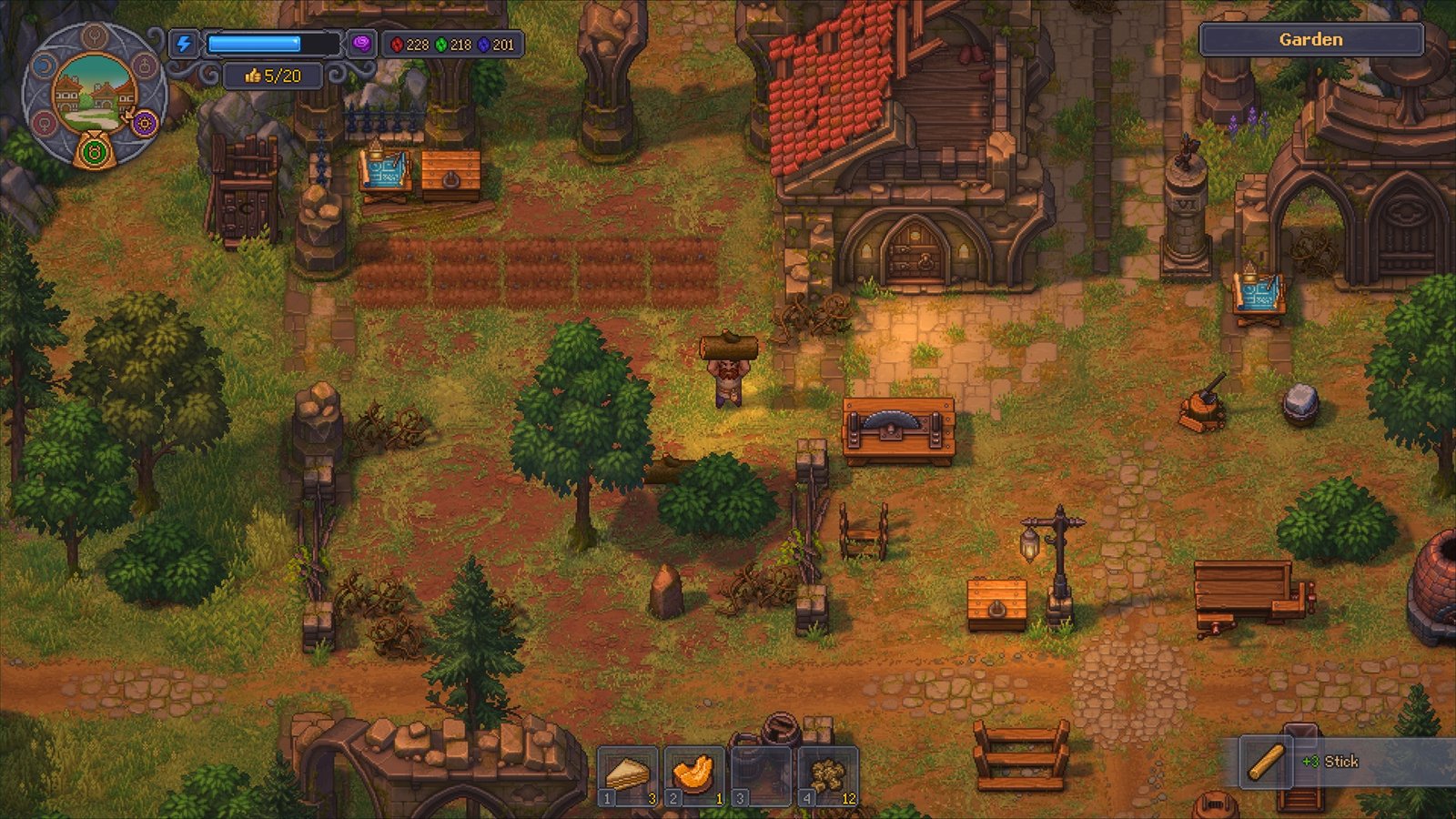
Almost every action requires energy, and managing it means taking care of your character as well. You can cook different dishes in your kitchen to keep yourself fed, or you can sleep to regain lost energy. As you level up, unlock perks, and improve your character, the energy requirements for different tasks start to decrease. Energy remains an important resource, however, and you need to manage it carefully. You can plant crops, harvest the yields, and process them for ingredients. You can collect berries in the wild, and you can also catch fish in water. There are multiple ways to collect food items and raw materials and then cook them for a hearty meal.
I enjoyed my time with Graveyard Keeper 2; however, it was not without frustration for the early few hours. Since the game really wants you to do everything on your own, it sometimes becomes a little hectic and overwhelming, depending on the scenario you are in. As I mentioned earlier in this review, I was stuck in the early hours of the game as I couldn’t figure out the wood storage. This took me over an hour of just exploring every bit of the map as I was looking for a way to use the log, which was appearing in the resource requirement of the saw. I needed small logs for a quest, and I couldn’t make it work. This led to a lot of frustration, but eventually, I managed to figure it out and was able to progress in the game.
This pattern continues throughout the story, where an NPC just demands an item, and it is up to you to figure out what needs to be done in order to acquire it. After investing a few hours, you eventually begin to understand the different ways of obtaining new items, buildings, or blueprints, but the thing is that you have to invest those early hours and push through whatever comes your way. If you have played the first game, you will already have a good understanding because the core gameplay has not changed much. Even the zombie assistants were added in the first game as a post-launch DLC, so many of the systems in Graveyard Keeper 2 will feel familiar to returning players, with automation and the new combat/town-defense mechanics being among the more notable additions.
Visually, Graveyard Keeper 2 looks fairly similar in art style to the first game, but it is even better now. The pixelated visuals never get old, and the animations are crisp. The soundtrack is decent as well, and changes based on the current scenario of the game. The UI is simple and sticks to the corners of the screen; however, there are a few things that you will need to understand to fully utilize the UI. I love pixelated games, and Graveyard Keeper 2’s visuals are a visual treat for fans like me.
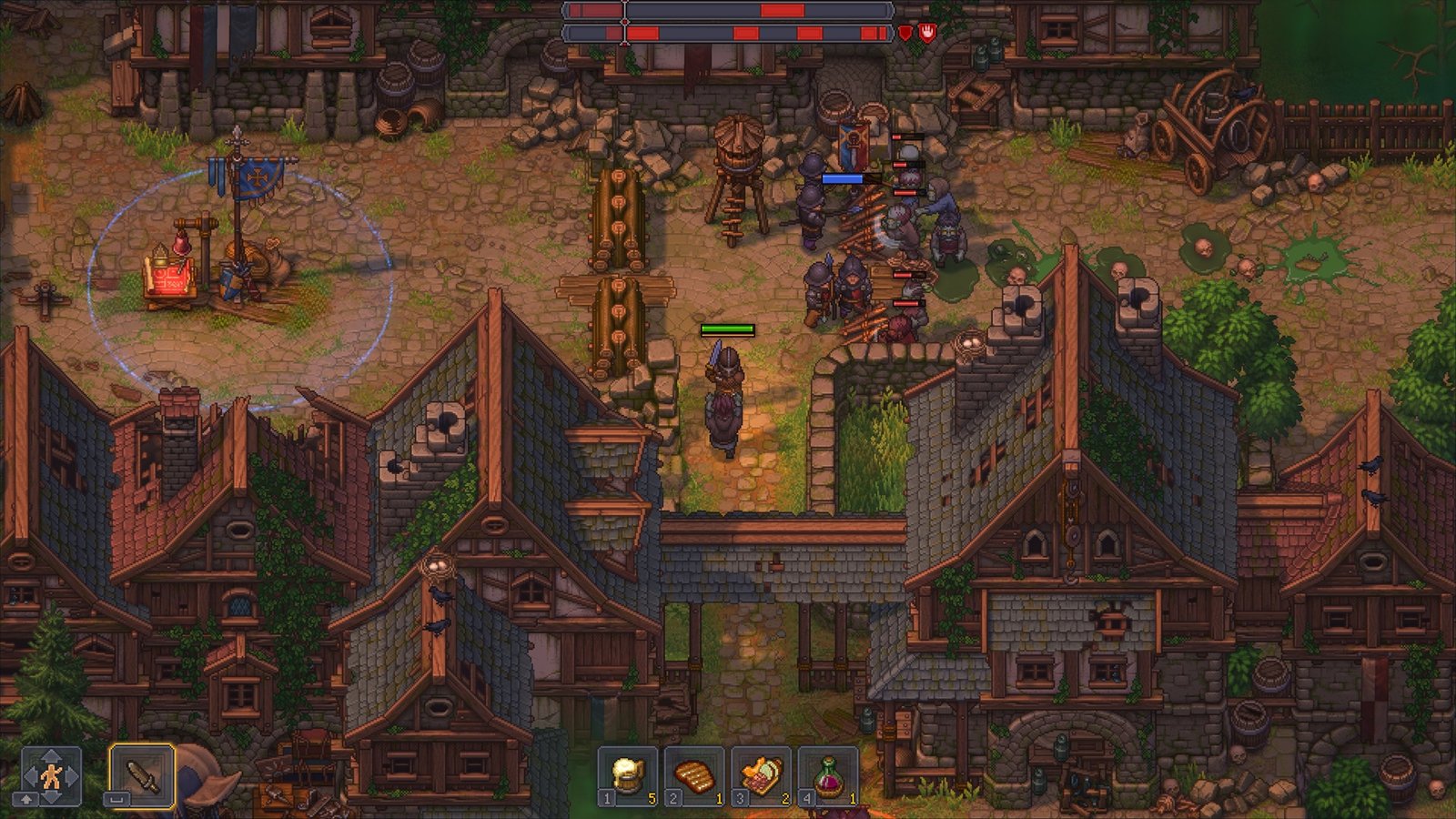
Coming to the technical aspect of Graveyard Keeper 2, the game ran fine for most of the bits. During combat scenarios, the attacking zombies often got stuck in an invisible wall or just refused to move from their current location. This did not affect our own soldiers or zombies and only seemed to affect the attacking ones. Since the game is not very demanding, the frame rates were stable throughout, apart from a few locations where I noticed dropped frame rates between 45 and 50. These were during night sessions when the character was moving between trees and the light, and shadows were constantly moving. These were minimal but noticeable because the game was running smoothly most of the time.
Related News:
Final Verdict:
Graveyard Keeper 2 is a bigger and more ambitious version of the original, expanding its graveyard management formula with automation, zombie assistants, town restoration, and combat. Its interconnected systems create a satisfying gameplay loop as you manage the graveyard, gather resources, unlock technologies, improve your character, and gradually automate your operation. However, the lack of handholding can make the early hours frustrating and overwhelming, while returning players may find that many of the core mechanics remain familiar from the first game. Despite these shortcomings, Graveyard Keeper 2 successfully builds upon its predecessor with enough meaningful additions to make the experience worthwhile, especially for fans of the original.
Final Score: 8.5/10
Disclaimer: A PC Steam review code for Graveyard Keeper 2 was provided by Sandbox Strategies on behalf of tinyBuild for this review. For a detailed breakdown of our scoring and review process, please refer to our Review Policy.