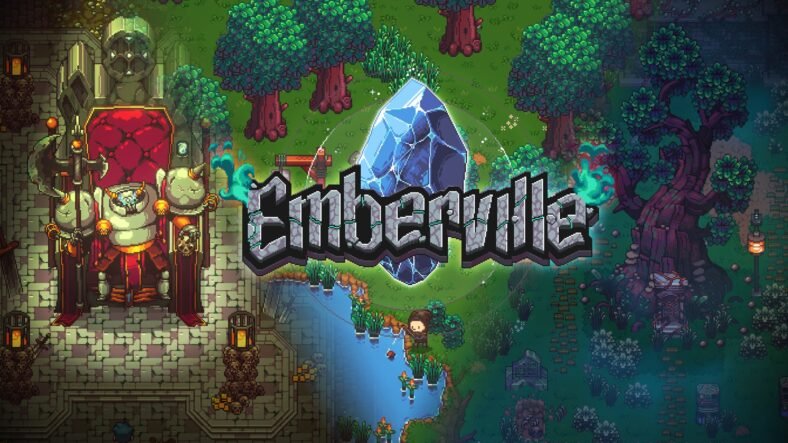
Developed and published by Cygnus Cross, Emberville is an upcoming action RPG that combines combat, exploration, resource gathering, and town-building systems into a single package. I recently had the opportunity to experience a short preview build ahead of its Early Access launch next month, and while the demo only offered a glimpse at what the full game has to offer, it already showed plenty of promise. This is our preview of Emberville, in which we explore a beautiful world and kill a giant spider with our bare-knuckle combos
Emberville immediately caught my attention with its unusual approach to combat, where weapons are not necessarily required to survive, and its world design, which encourages players to explore beyond the most obvious path. The demo also introduced some of the systems that will eventually feed into its city-building mechanics, although that aspect of the game remains largely untested at this stage, as the preview build mostly revolved around combat and exploration. After experiencing the prologue twice, I came away impressed by what Cygnus Cross is building and eager to see how these individual systems come together in Early Access.
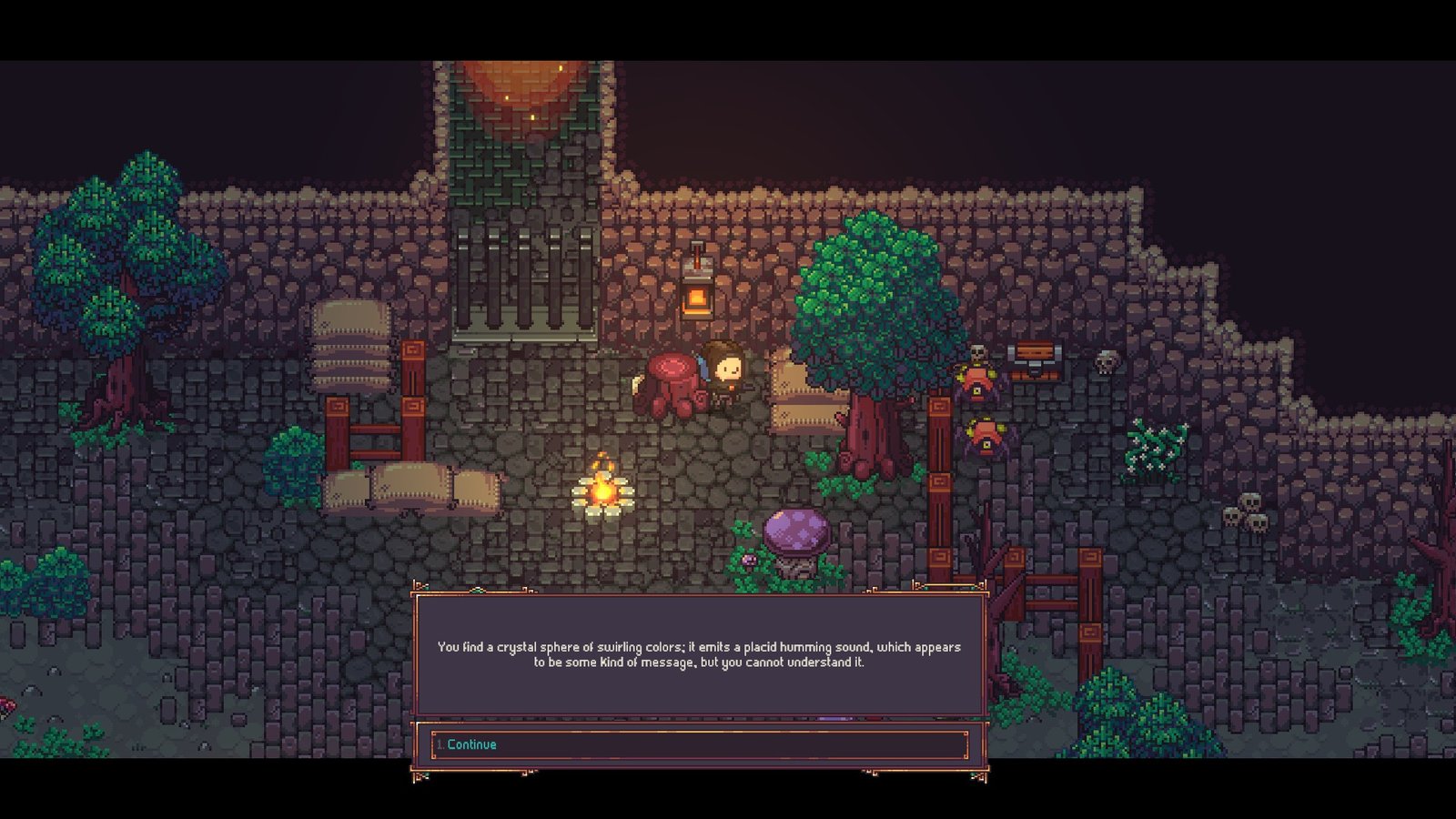
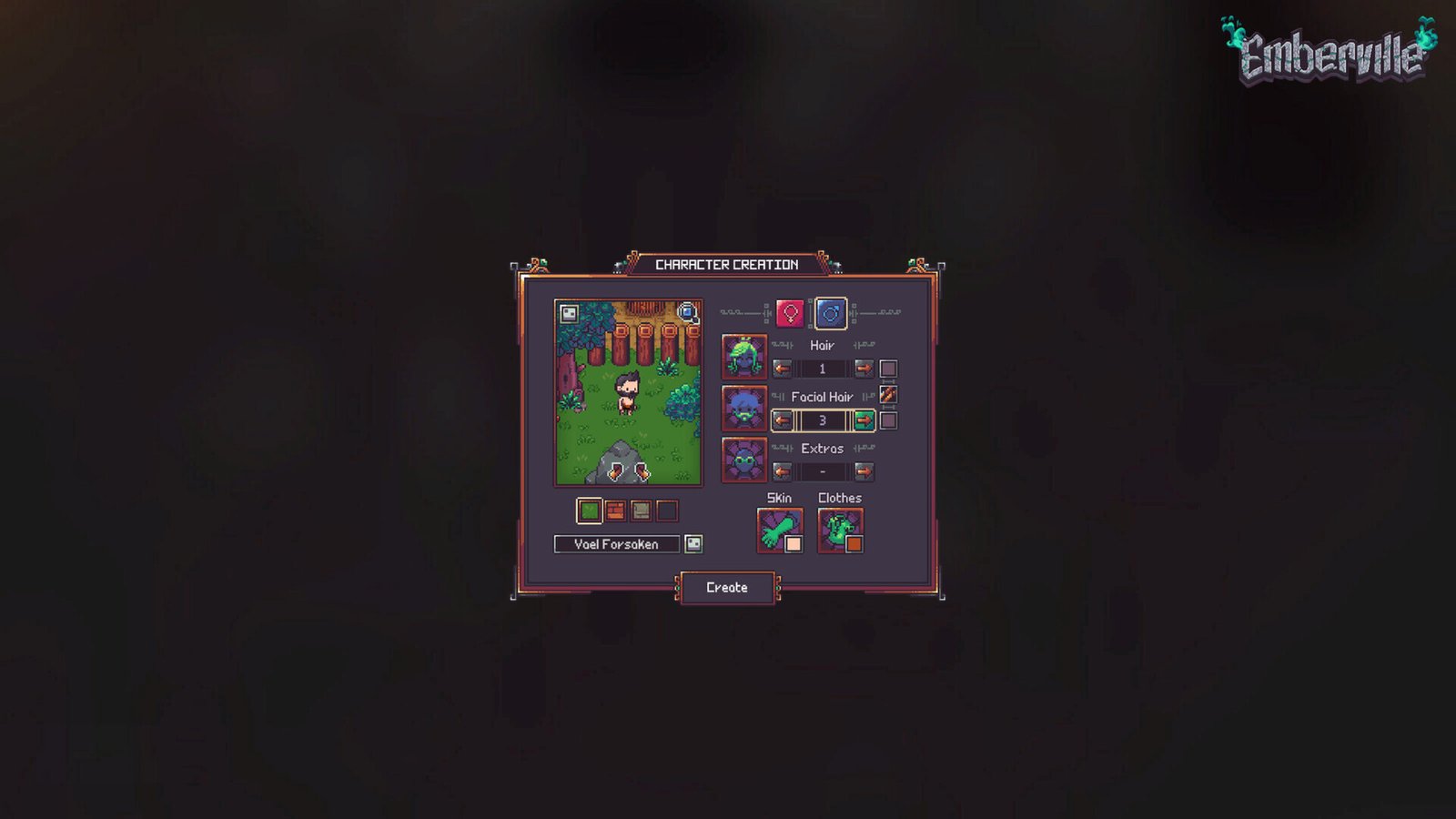
The preview build began with a character-creation screen that was relatively basic but offered enough options to personalize my character, including gender, clothing, and skin color. After naming my character, I jumped into the demo, which began with my character waking up inside a small room. Opening the door revealed a larger area that I was free to explore.
Interestingly, my character started without any weapons, although that did not leave me completely defenseless. I could throw punches and kicks powerful enough to destroy almost every piece of furniture and object in my path. Before leaving the first building, I had already transformed it from a furnished ruined barn into an empty ruined barn. Destroying objects also provided some resources that could be stored in my inventory, immediately giving me a reason to interact with the environment rather than simply walking past it.
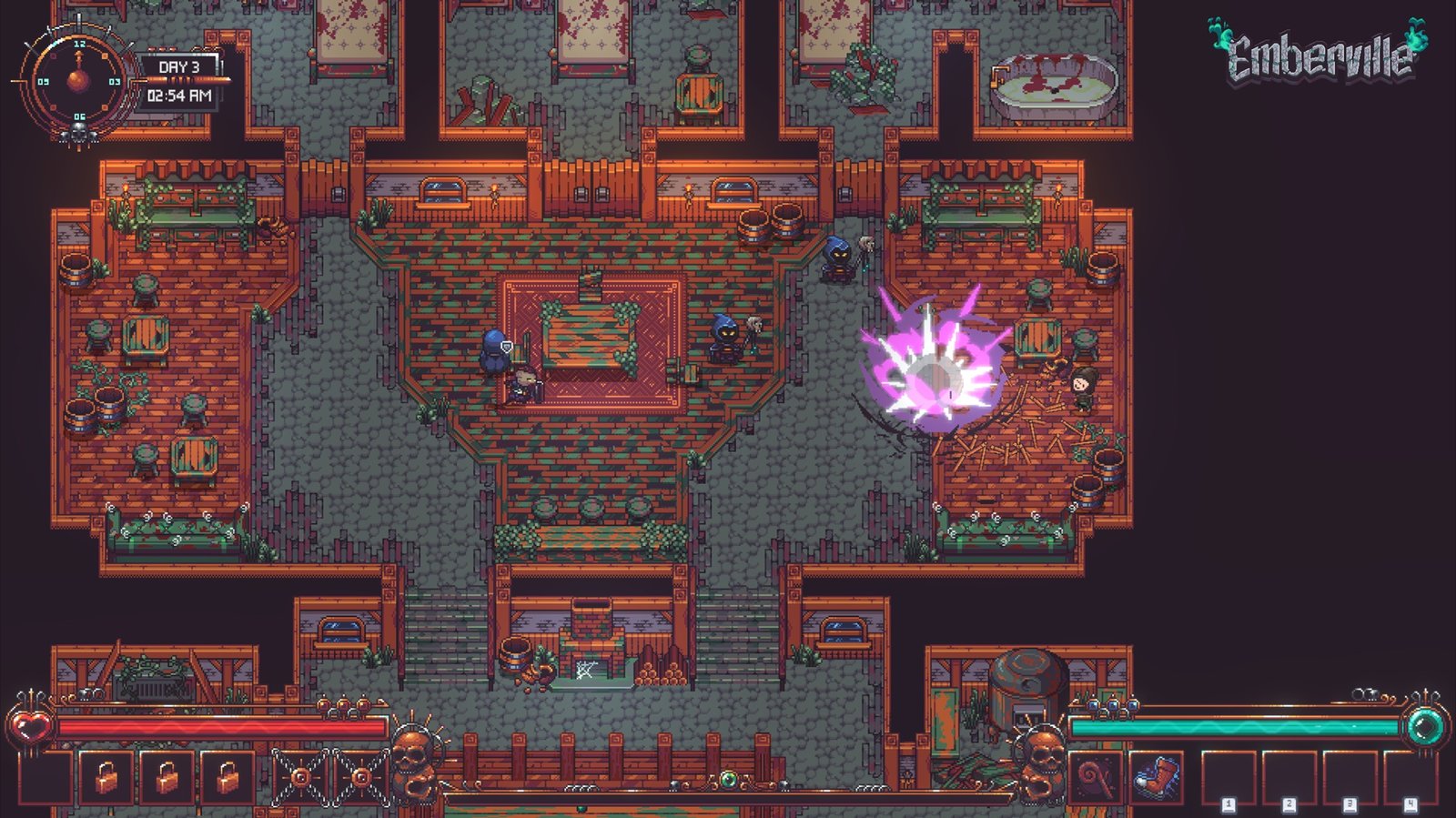
Leaving the starting building introduced me to one of Emberville’s enemies, an acolyte who proceeded to kill me in a single hit. My character literally exploded, leaving behind nothing but bones and meat. It was an unexpected way to begin the game, and when I respawned, I initially assumed that I had missed something and was supposed to find a weapon before leaving the building.
A quick sweep of the area revealed nothing, so I left the building again. This time, however, the acolyte was nowhere to be found. It was only later that I realized my first death was actually Emberville’s way of introducing me to the strange rules of its world.
Emberville takes place in Vitromotus, a magical world where the dead can return to life thanks to a mysterious energy source known as Kymia. My first encounter with the acolyte was therefore more than just an unexpected death. It was an early glimpse into a world where life and death do not necessarily work the way we expect them to.
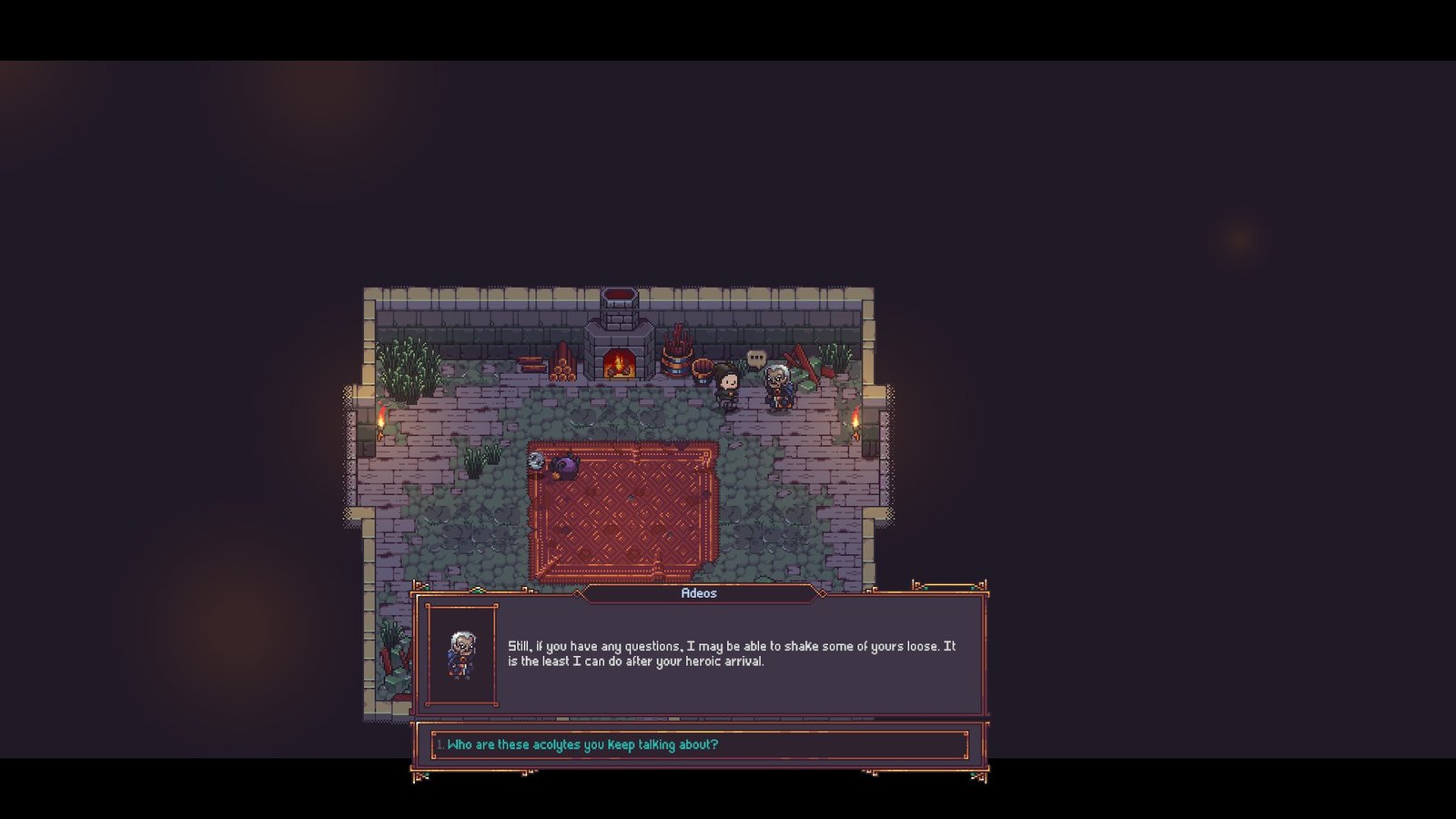
Once I understood what had happened, I was free to properly explore Emberville. Despite being part of a relatively contained prologue, the area managed to create an open-world feeling through its branching paths and varied environments. The main progression remained fairly linear, but I was rarely forced to follow it immediately.
Several paths branched away from the main route before eventually reconnecting with it. Taking the time to explore them was usually worthwhile, as I found hidden chests, additional resources, and other small rewards that encouraged me to investigate every corner of the environment.
The level design was one of the strongest aspects of the demo for me. The starting area immediately felt like a proper farmland environment, while the forest-like section that followed had its own distinct character. Rather than simply making the world larger, Emberville uses different environments and branching routes to make exploration feel meaningful within the areas I was given to explore.
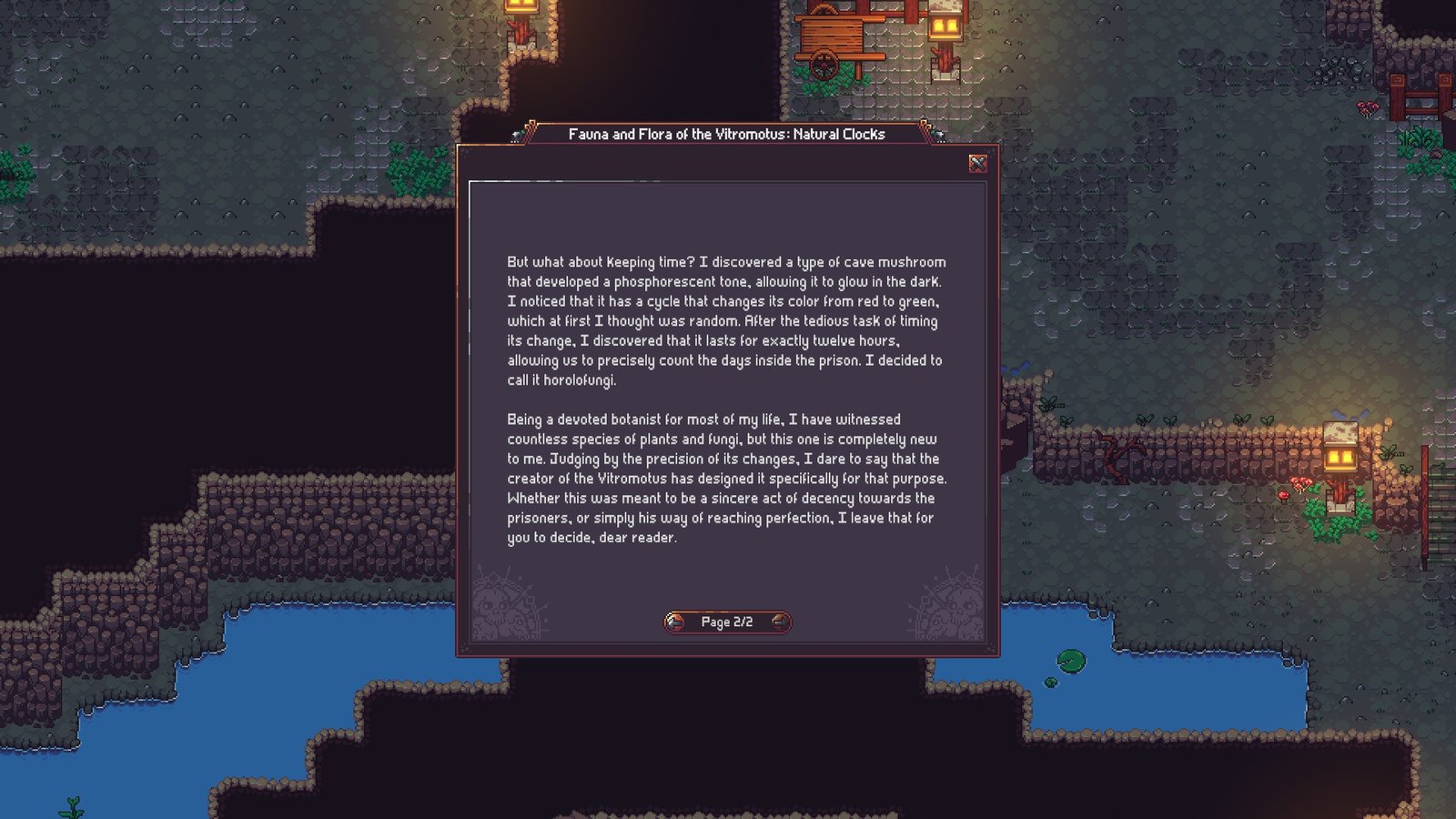
Resource gathering was also tied into exploration in some interesting ways. Certain resource nodes featured small icons that indicated what could be collected, while other materials could be obtained by breaking objects throughout the environment or dropped by enemies.
This made even seemingly insignificant objects worth investigating. I could walk into a ruined building, destroy its furniture, search the surroundings for resources, and potentially discover a chest or a piece of lore hidden somewhere nearby. I eventually found myself checking almost every building I came across, partly because I wanted the resources and partly because I simply wanted to see what the game had hidden inside.
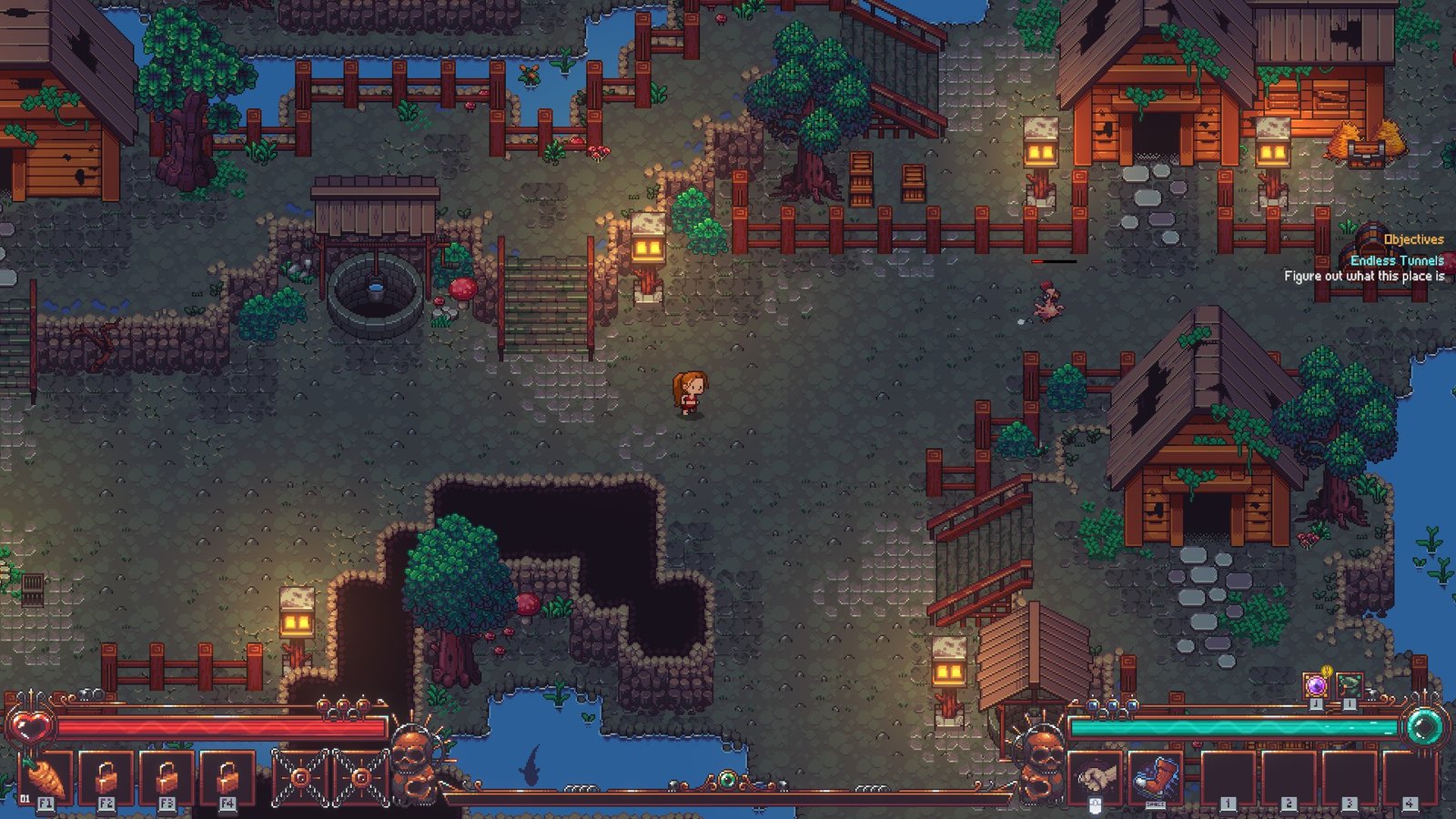
The full release of Emberville will include city-building mechanics as well, and some elements were evident in the demo, where I collected basic resources like wood, stone, iron, and others by mining or breaking random objects in the game. Key nodes where you can collect resources have a small icon on them, and once you are in range, you can press the interaction key and, after a small animation, you will collect that resource. There were also notes and other lore items left in different locations, like camps or ruined buildings by people who used to live there, filling me in on what happened to them. Emberville does not hold your hand when it comes to gameplay, but despite the somewhat linear progression, I was free to explore at my own will. Before moving to the next area, I made sure to wipe out every piece of furniture I could find thoroughly.
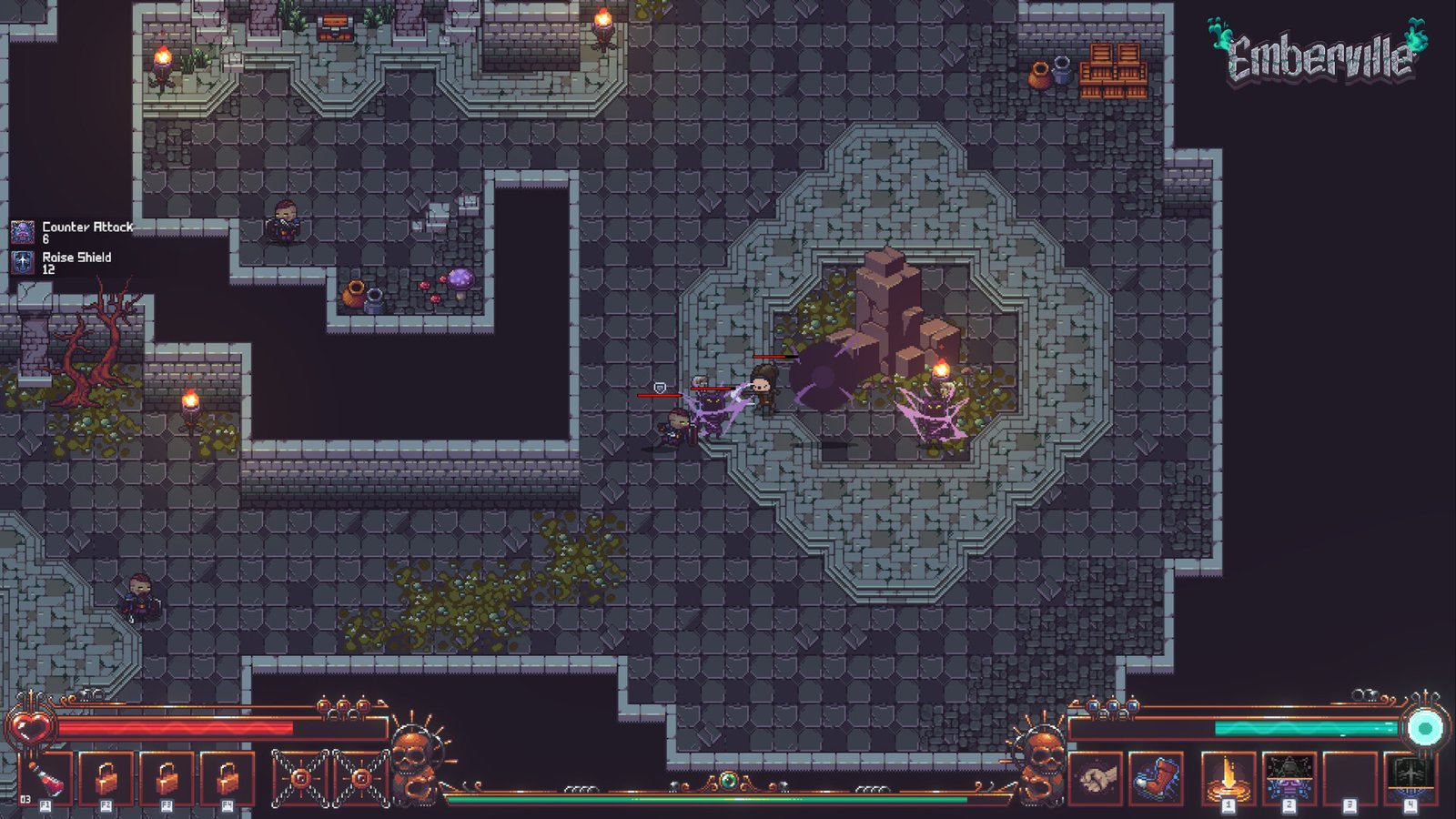
Combat is where Emberville really shined for me, apart from its amazing level design and visual style. Unlike most games where you have to find weapons and armor to survive, in Emberville, you can survive with your bare fists and kicks alone. This is made possible by a special combo system for every weapon type, including your bare fists. Pressing the right keys, like two left fists, ending with a right click for a kick, will result in a powerful roundhouse kick combo which left enemies leaping away from you. I was able to find knuckledusters early on in the demo, and since then I barely switched to anything else, apart from the ending boss battle. Since I explored every nook and cranny of the demo, I managed to find multiple weapons and armor pieces, including bows, swords, armor sets, and a magic staff. Each weapon offered its own unique combo system. I eventually settled on a powerful sword in one hand and a shield in the other. While my character did not bring out the shield, it did offer him protection.
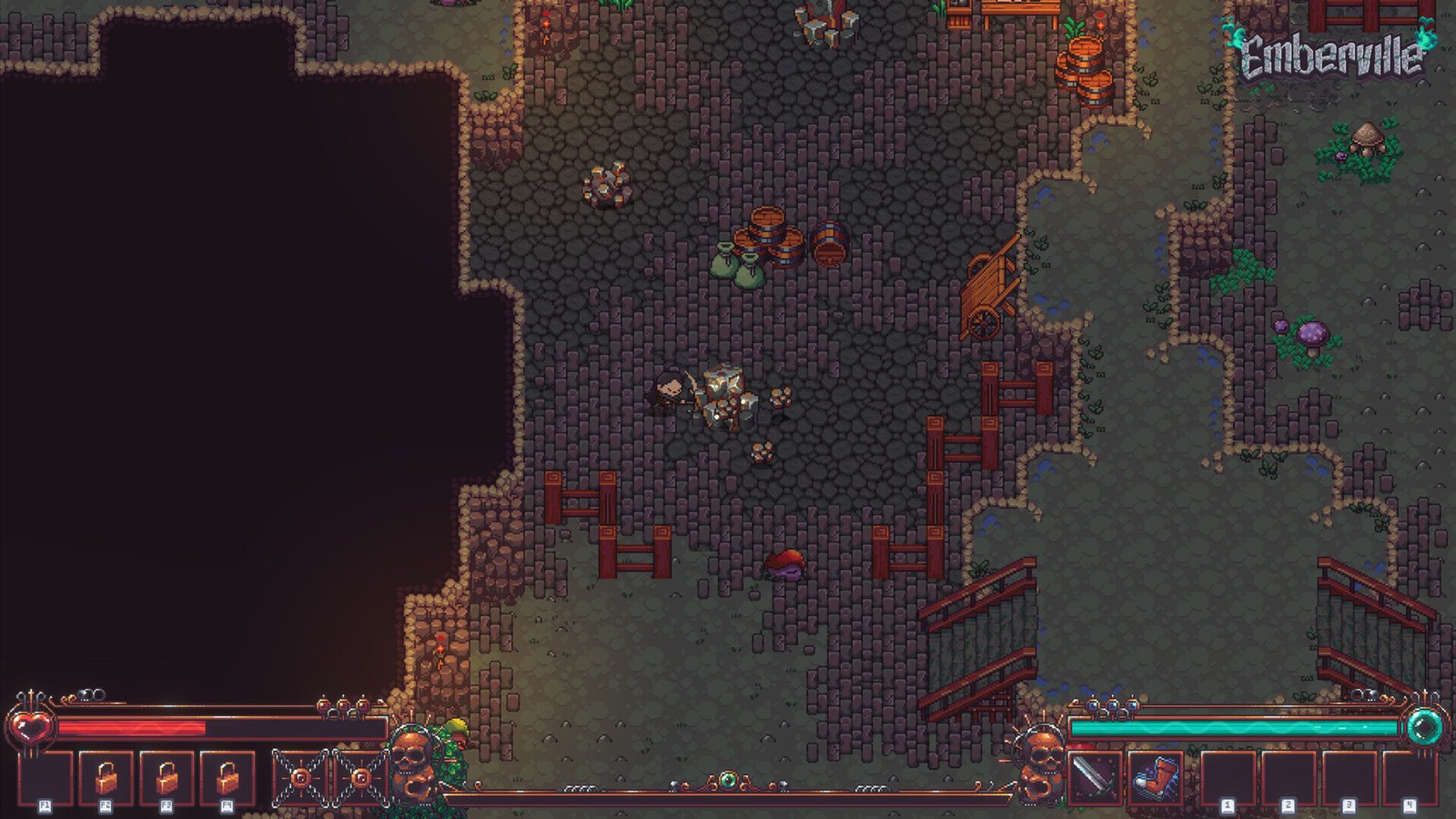
The armor system also introduces a straightforward trade-off between protection and mobility. Heavier armor offered better protection but increased my character’s weight and reduced movement speed. It meant that gearing up was not simply a matter of equipping whichever piece offered the highest protection, particularly when mobility was important during larger encounters.
The demo also gave me a good look at some of the different enemies. Although there were not many, apart from the chickens that I killed just for fun, they did give a tough time, especially when they attacked in groups. In certain situations, I felt like I would be overwhelmed by the enemies, especially in one particular location where a lot of acolytes suddenly charged me with their magic spells, but I managed to pull through and kill everyone with my combos and decent armor pieces.
Exploration also helped keep me prepared for combat. Searching thoroughly provided me with a steady supply of food and healing potions, which meant I rarely found myself completely unprepared for an encounter. I could equip two consumable items to quick-use slots, while other items could be consumed directly from the inventory.
Inventory space eventually became an issue, although finding a bag gave me five additional slots. Similar items could also be stacked, which helped considerably when carrying large quantities of resources and consumables. These systems are fairly straightforward, but they worked well with the demo’s emphasis on exploration and resource gathering.
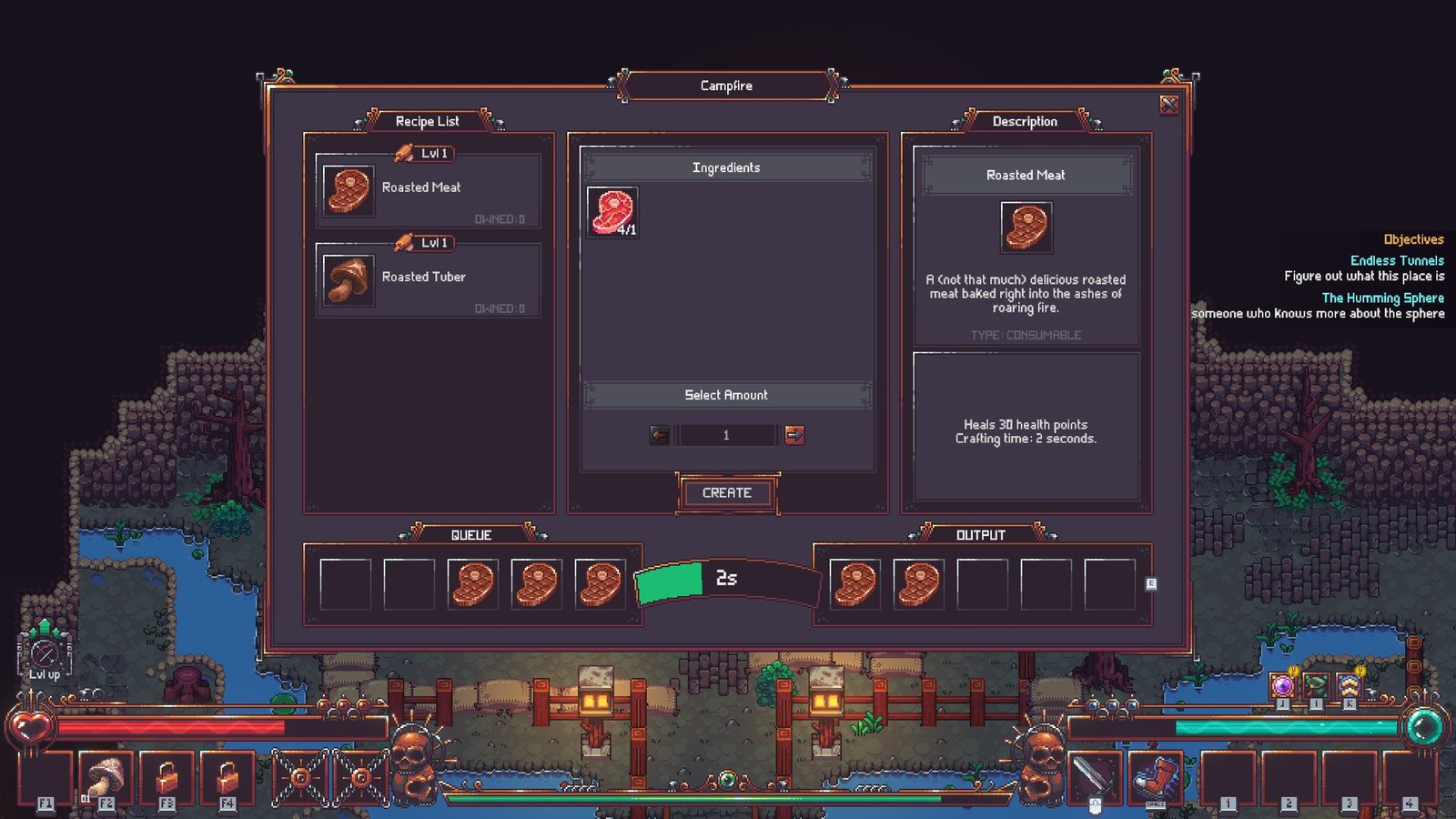
The city-building component is arguably the biggest unknown coming out of the preview. The demo gave me an early look at some of the systems that will eventually support it, including resource gathering, crafting, and cooking, but I did not get enough hands-on time with the actual town-building mechanics to judge how deeply they will integrate with the RPG experience.
The resources I collected, including wood, stone, iron, and other materials, clearly appear to have a larger purpose beyond simply filling my inventory. Crafting and cooking were also introduced during the demo, although neither system felt particularly deep at this early stage. They fit naturally into the game’s survival and exploration mechanics, but the Early Access release will ultimately determine whether these systems can come together into a compelling city-building experience.
For now, I am cautiously optimistic. Emberville already has a solid foundation with its exploration and combat, and I am particularly interested to see whether its city-building mechanics can complement those systems rather than feeling like a separate feature added on top.
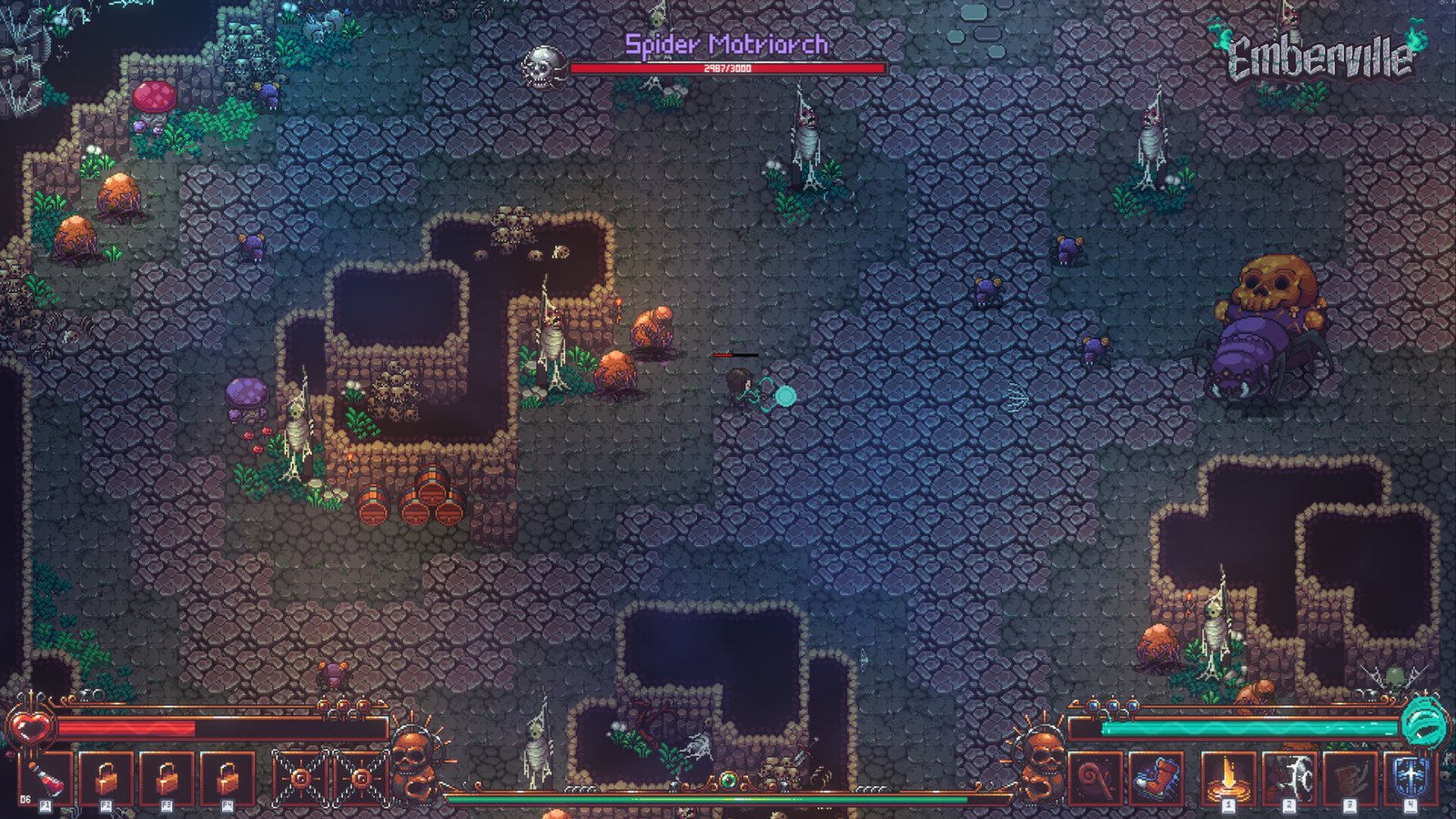
The demo eventually culminated in a boss fight against a large Spider Matriarch. The encounter initially gave me a tough time, particularly as I tried to figure out the best way to approach it. Interestingly, switching back to my fists and kicks ended up being the solution.
Rather than trying to stand directly in front of the boss and trade attacks, I was able to run around it, avoid incoming attacks, and look for opportunities to strike with my combos. It made for a satisfying conclusion to the demo and also reinforced one of the things I enjoyed most about Emberville: the combat system gives different approaches enough room to work.
While I enjoyed the combat, a small mechanic felt a little out of place with the otherwise fluid system. Emberville’s melee combat encourages me to chain attacks together and maintain momentum, but that same commitment to attack animations becomes a problem when ranged enemies enter the encounter.
If an enemy launches a projectile while my character is still completing an attack animation, I am often unable to react quickly enough. The dodge cannot interrupt an attack that is already in progress, meaning I sometimes had to take damage simply because my previous attack had not finished.
This is not particularly punishing because Emberville is not a soulslike and damage does not feel overly severe, but it does interrupt the flow of combat. I eventually learned to account for the slower transition between attacks and dodges, although a more responsive dodge window or an option to cancel certain attack animations could make encounters with ranged enemies feel considerably smoother.
Emberville looks like a great game, and the short demo that I played has easily convinced me that Emberville deserves attention. Nearly all mechanics featured in the demo impressed me, and I cannot wait to try out the full version of the game. I would also like to explore the leveling-up system with mastery trees, skills, and the combo system more in the full game. The short introduction to crafting and cooking mechanics in the demo was simple and nothing out of the ordinary, but they seem to go well with the overall theme of the game, so I am optimistic about the city-building elements as well.
I thoroughly enjoyed my time with the preview build of Emberville. In fact, I enjoyed it enough to create another character and complete the demo a second time, which gave me another opportunity to experiment with its combat and explore areas I had already visited. My favourite aspects of Emberville are easily its world design and combat. The combo system offers a fun and unique twist, especially for a game in this genre, and it is very well executed as well. It is simple enough for new players to understand without feeling overly complex. The level design is brilliant as well, because every environment feels different and unique. The starting area felt like a proper farmland area, while the second forest-like area was proper too.
Related Articles:
My only gripe with the build is that it ended too quickly. The game quickly immerses you with its fluid gameplay and good visual art. Several of Emberville’s biggest features remain largely untested, particularly the city-building mechanics and deeper progression systems, including mastery trees, skills, and the full combo system. These will need to prove themselves once the game enters Early Access. Still, the foundation is promising. Emberville’s combat feels good, its world is enjoyable to explore, and its visual style helps give each environment its own identity. I am definitely looking forward to its Early Access launch next month.
Disclaimer: An Early Access Preview Build for Emberville was provided by Evolve PR on behalf of Cygnus Cross for this preview. For a detailed breakdown of our scoring and review process, please refer to our Review Policy.