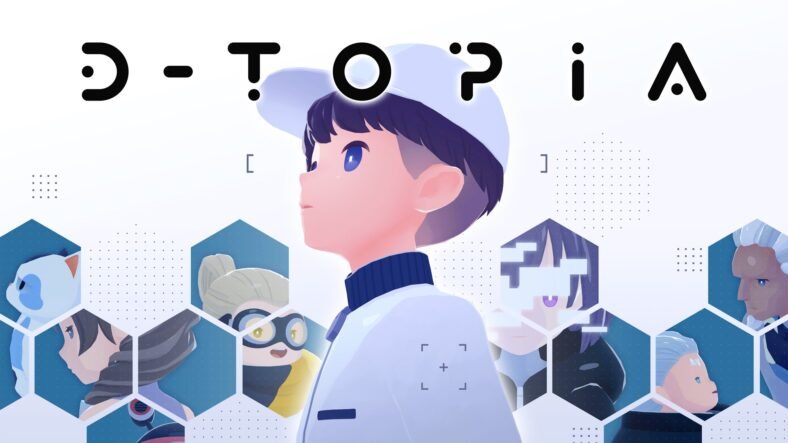
Imagine waking up every morning in a world where every meal, every job, every conversation, and every decision has already been planned for you. Everything works perfectly, except the people living in it. That’s the unsettling premise behind D-topia. Developed by Marumitta Games and published by Annapurna Interactive, D-topia is a simple puzzle game where you explore a cozy world and help NPCs with your puzzle-solving skills. Annapurna is known for creating unique games that combine unique gameplay mechanics and solid narratives, and D-topia is no different. This is our review of D-topia on PC via Steam, in which we try to complete some puzzles and take care of a big blue cat in a utopian world.
D-topia is set inside an artificial world which is created by the Master or A.I., as the NPCs refer to it. This futuristic world is set in the future when planet Earth is no longer hospitable, and people have been moved into fake worlds which are completely run by artificial intelligence as part of the Utopia Project. Daily tasks such as creating food and delivering to humans, assigning them jobs and roles, allotting them residences, and every other basic task are handled by the A.I. Exploring the world will reveal smaller robots moving around here and there doing their daily routines and performing their tasks in a timely order. Since the world is run by A.I., it expects humans to behave like robots as well, but this is where things start to fall into disarray because A.I. cannot cater to human emotions and needs.
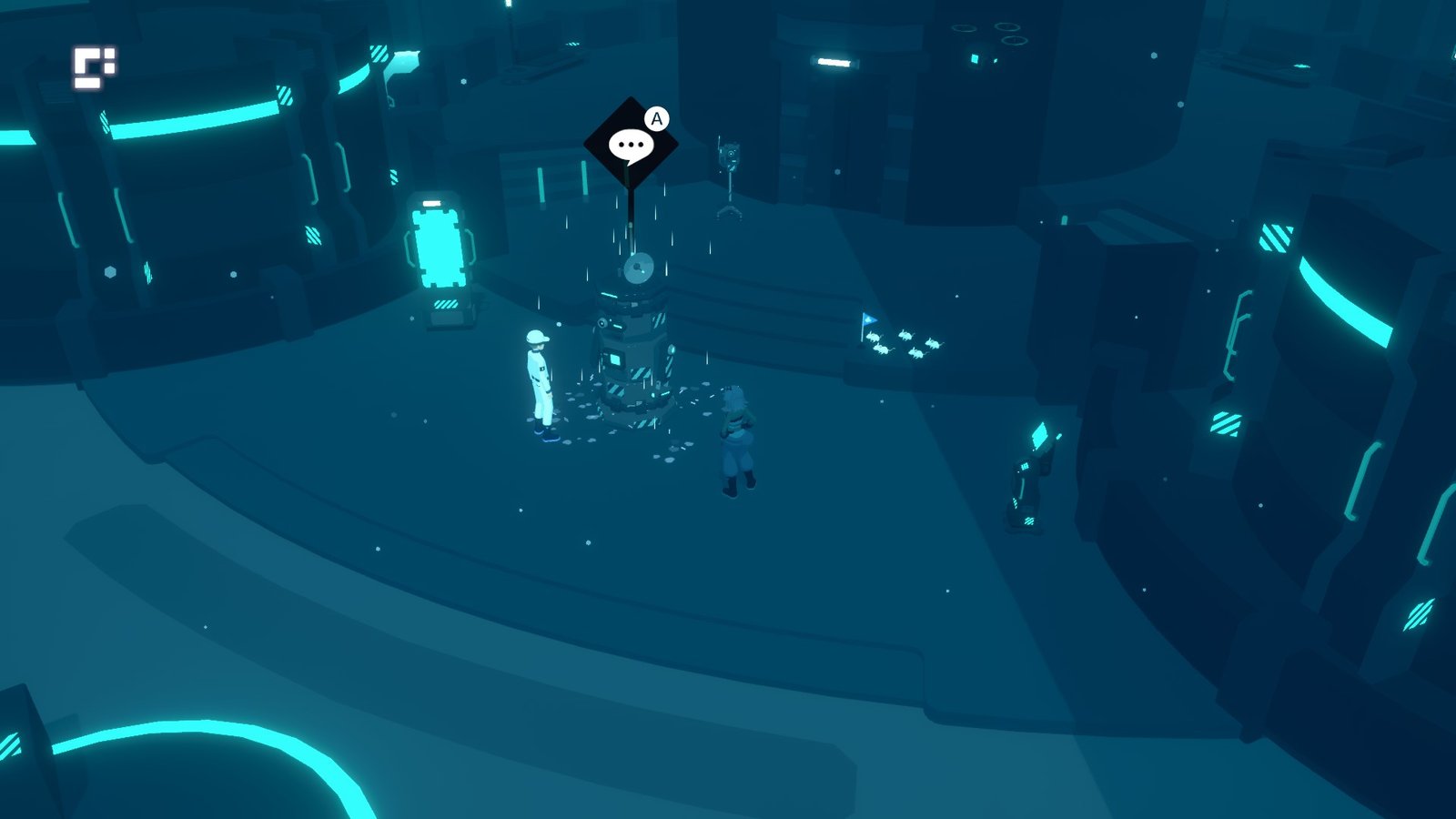
You arrive in such a living arrangement called D-topia as a young boy called Shiro, and his role is a facilitator. As a facilitator, his task is to ensure that the facilities of D-topia keep running optimally and help the citizens if they have a certain task. After your arrival, you are received by bots and introduced to everything, including your routine, your work assignment, and what sort of behavior is expected from you as a facilitator. The main story of the game is divided into multiple days, where you must follow a set routine. During the morning, you have to go to the factory to work, and in the evening, you are free to explore D-topia and help out the residents in any way you can.
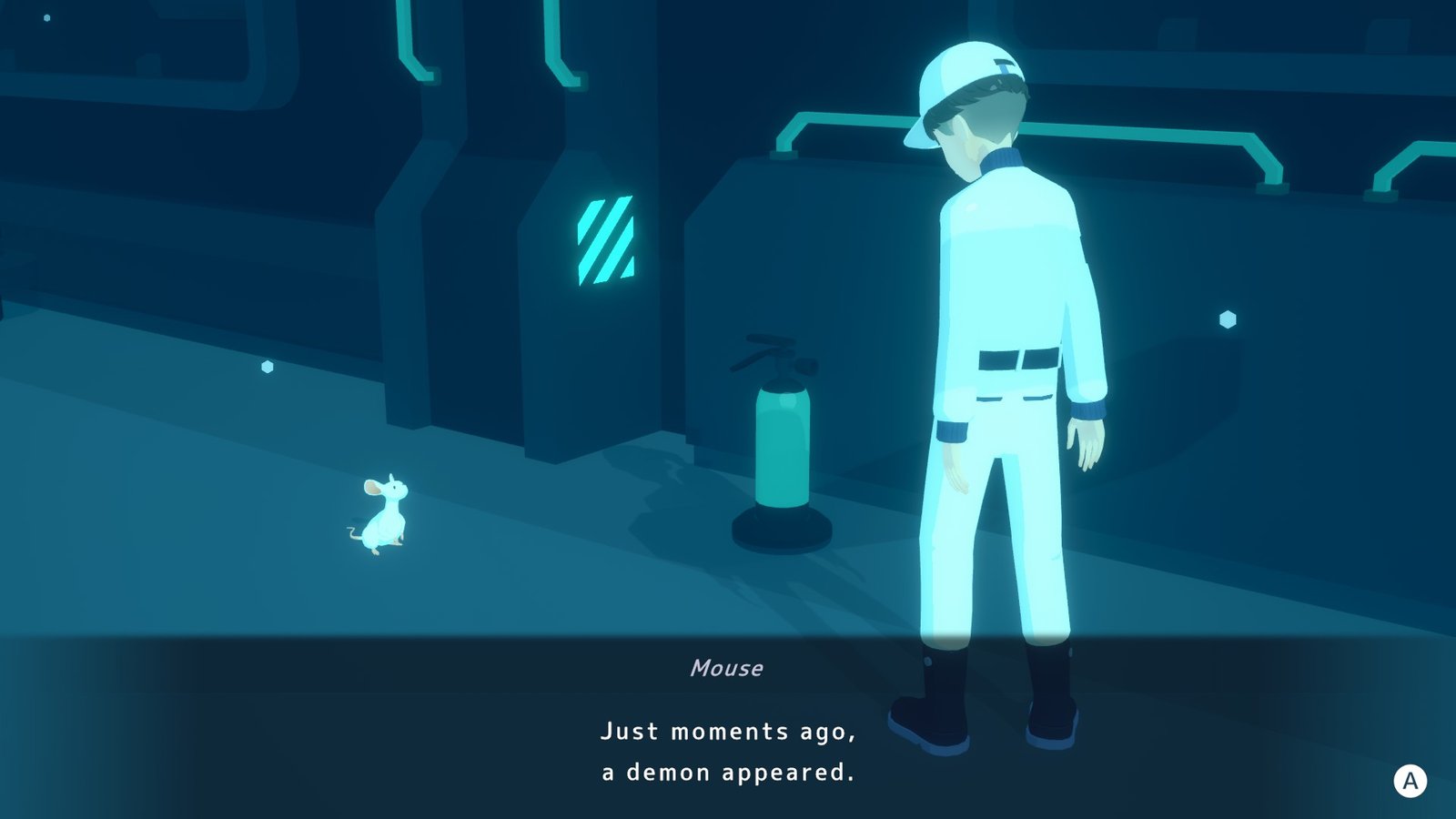
As the facilitator, you can switch the worlds into two different forms. Normal NPCs live in a world called the normal world, which is colorful, mostly white, and everything is presented in a hologram form. Everything in this world is fake, such as the colors, plants, rain, clouds, and even colors. The A.I. tries to create a fake world for humans so that it feels like a refurbished Earth. The real world is actually the Block Side, which is the backend of everything running.
This is dark and creepy, and here you can fix different problems that are happening in the world. Consider it as the backend of a website and the frontend of a website. The front end has pictures, colors, and fancy text, while the backend is filled with lines and lines of never-ending code. These Visual System changing buttons are located in every section so you can switch between the two to complete different tasks. I liked how the two universes look completely different from each other, but it also showed the reality of an A.I. run world, which was dark and gritty but fancier on the surface.
I love how the game tries to replicate the true form of a utopian society where A.I. is trying to have perfect everything. You wash your face in the morning, breakfast is there on the table, your uniform is pressed and ready to wear, and then you leave for work, where you must complete your required tasks before getting off, and then you must return to your room after the daytime is over. There is very little freewill as everything is written in the form of rules, and everyone is expected to follow them. Similar to robots. However, as you explore the world and interact with NPCs, cracks start to appear in this ‘perfect paradise’, and every human has some sort of issue with the perfection of the world.
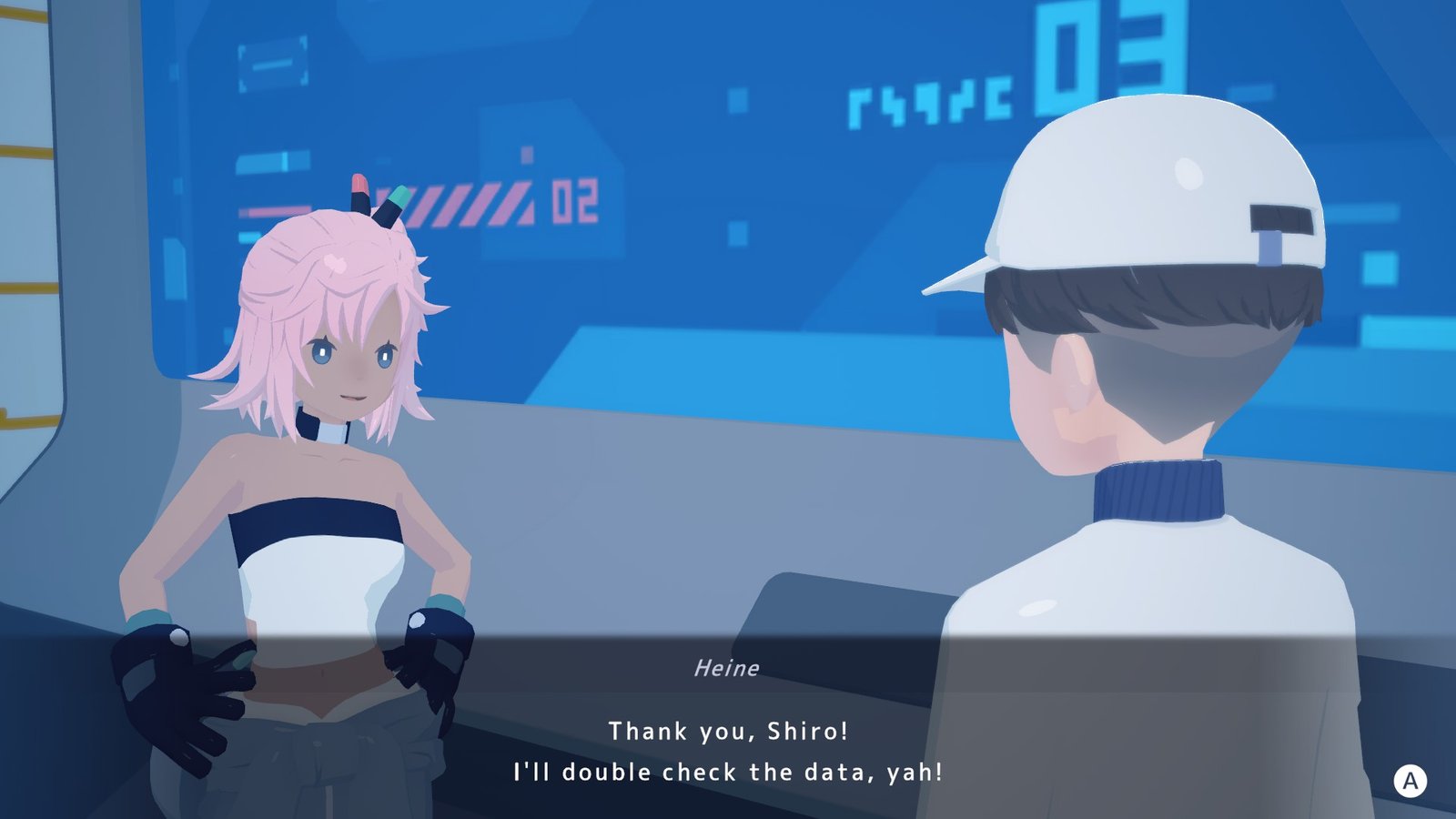
You meet a young girl who is unable to fit into the ‘topia- universe system and is constantly having medical issues because of different aspects like fake rain and fake sounds. Then you meet another man who has childhood trauma and is having problems of his own since the A.I. has limited his food intake. There are many worlds similar to D-Topia in the game’s lore, like G-Topia and Z-Topia. NPC interactions allow you to learn more about this world and other similar worlds in the game. Each location has its own rules and regulations depending on the type of A.I. that is running it. There is a decent amount of lore to learn in the game, and everything is possible through interacting with the citizens around you.
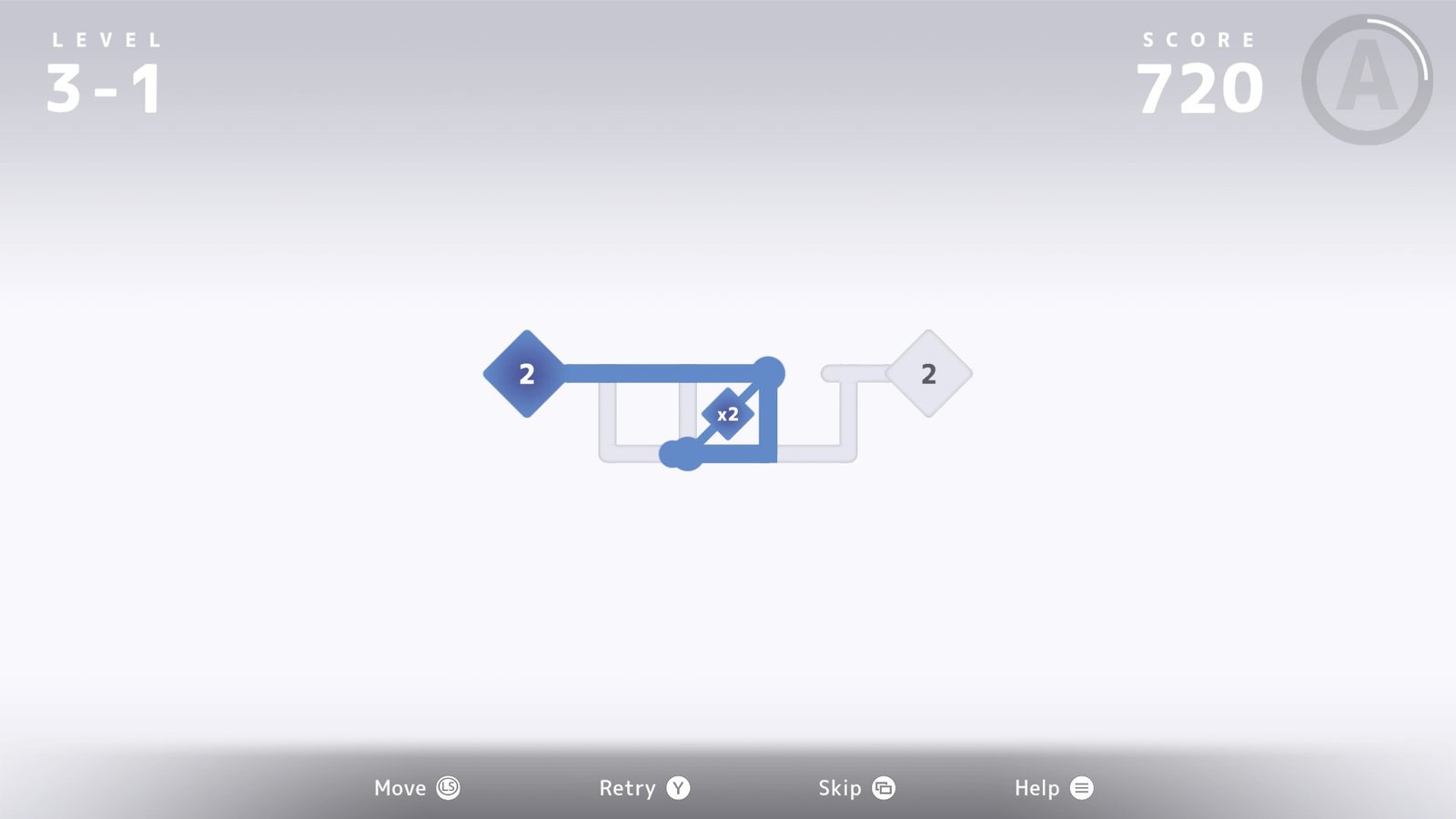
At its core, D-topia is a puzzle game, and nearly all tasks are performed with the help of a logical puzzle revolving around different systems of numbers. These puzzles are not very hard and can be solved with a little bit of logical thinking. These range from moving numbers around to their designated locations by using different elements in the mix, like teleporters, multipliers, and blockades. Then you have puzzles where you must travel through paths to reach the end of the puzzle while having the number matching at the end. This will sometimes have additional numbers on the path or multipliers. Then you have puzzles which increase in denomination as you move further. Every step increases its amount, and you have to fill all boxes before hitting the final one to complete the puzzle.
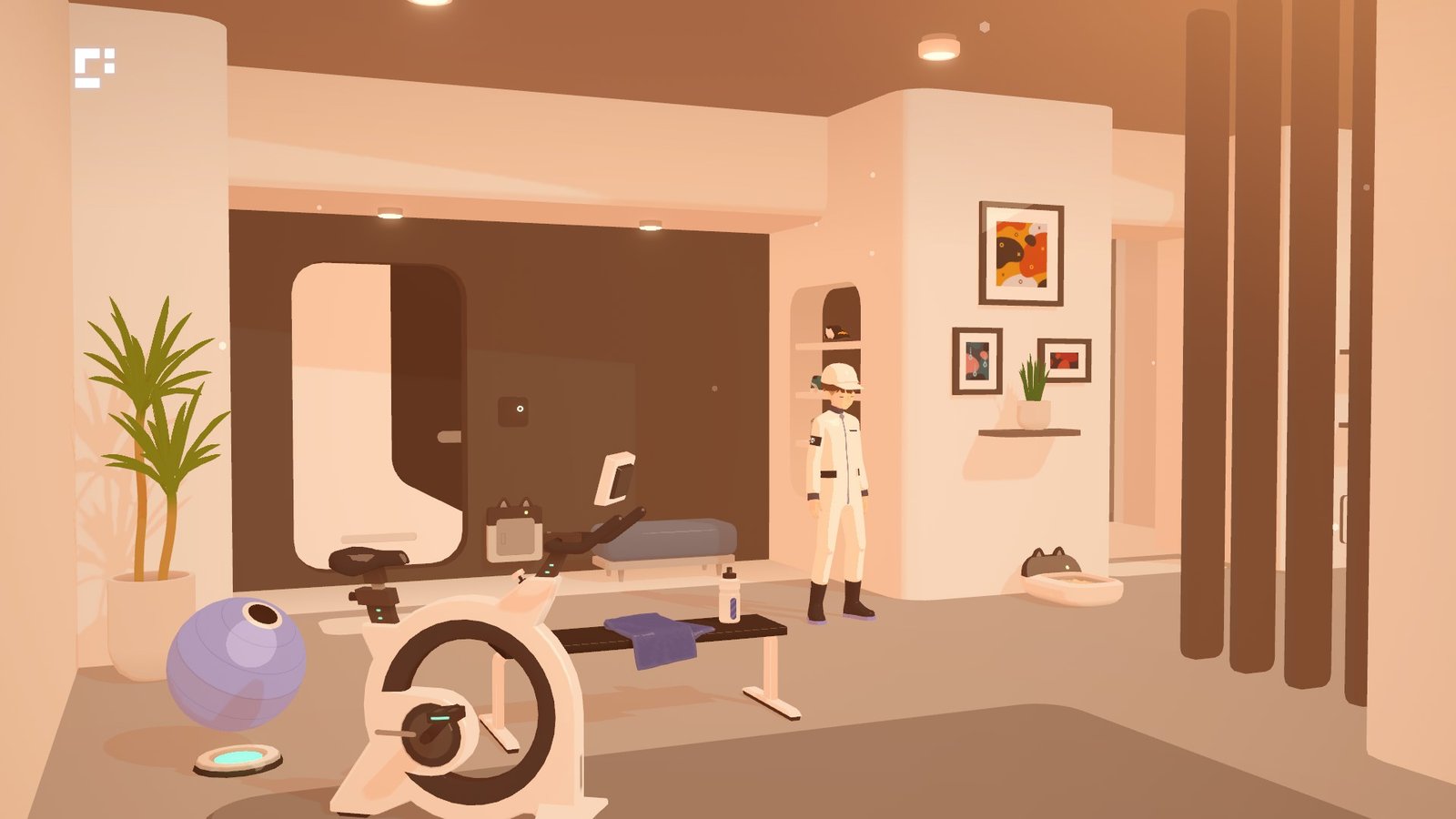
In the factory, you are graded based on the time you take to complete all required puzzles for that day. You can also work overtime for some extra money. At the end of the day, you get money for your basic work and overtime, which can be spent at vendors in the game to purchase food for yourself or your cat, along with different decorations that can be placed in your home to spruce it up. You get your own personal space in D-topia, but the decorations are automatically placed in specific spots. You do not get the opportunity to customize it manually. Once you are done with your work, you are free to explore D-topia and engage in its lively life. You can visit restaurants, eat food, sit at scenic locations, and interact with NPCs.
At no point does the world of D-topia feel empty. There are people everywhere performing their tasks, dining out, hanging out, and robots working here and there. The game gives serious Wall-E vibes. The map is not too big, but neither is the game. What extends its gameplay time is a branching storyline that switches based on the decisions that you make in the game. As you interact with different NPCs, you can help them in different situations, which can affect their fate. While making a decision about these types of situations, you go inside the mind of Shiro in a ‘brain meeting’ where you make choices on what you must do to help them. You can either help them or completely ignore the NPCs.
Based on your decisions, the game will lead to one of the endings. You can also be rude to NPCs, but if you prefer unlocking the good ending, you will need to be on your best behavior. Good behavior will increase your affinity with these citizens, and they will give you gifts, open up about their personal lives with you, and ask you for favors sometimes. People will sometimes also message you through your phone to thank you for good behavior and helping them out. There is no audio dialogue in the game, but nearly every citizen has a text dialogue. I was surprised to see that the developers have created some very neat dialogue for special occasions, such as when your pet cat is using the litter box. These tiny details show the amount of love the developers have put into the game.
D-topia is an excellent puzzle game with enough personality to keep it out of the generic puzzle game category. The choices you make actively affect the lives of people around you, and what I like the most about it is that the game does not restrict you too much to different tasks. You do not want to work today? Go to the factory and just leave after completing one or two tasks. You will get paid a lot less, but it is still a payday for you. Don’t like a particular NPC? You can completely ignore them, and if the storyline allows it, you can even have them kicked out of D-topia. This is massive for a small puzzle game.
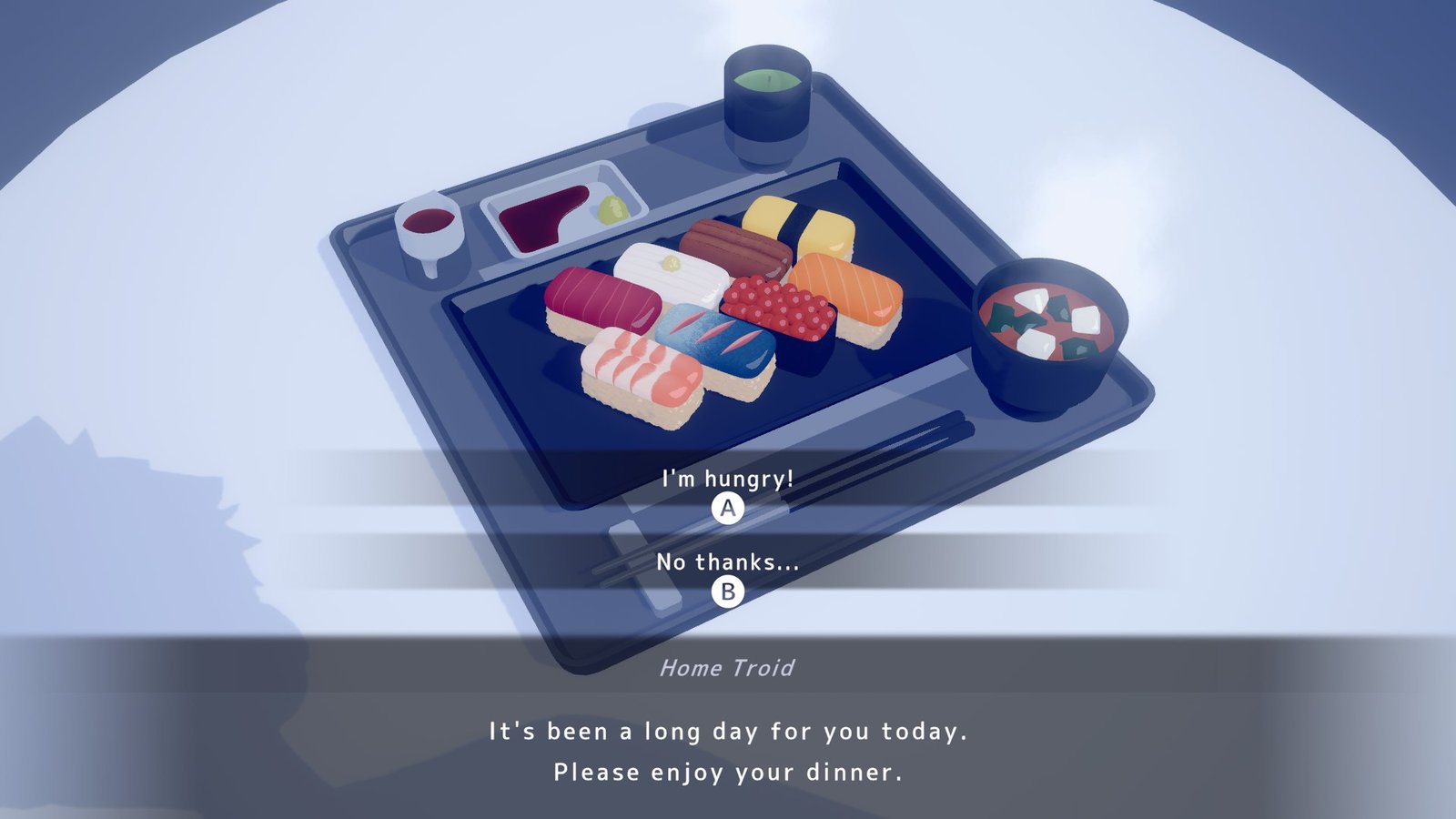
On the technical side, D-topia runs like butter. I will agree that it is not a particularly demanding game, but I loved its visuals. It brings the perfect amount of cozy and utopian feel with it. The characters behave properly, and there are no glitches whatsoever. The game is not very long; you will be completing everything it has to offer in a few hours, but it remains satisfying thanks to its lovely world, branching story lines, and a fluffy blue cat to take care of.
Related News:
- Cozy Adventure Game Greta Sees Ghosts! Announced, Solve Puzzles and Help the Dead Move On
- Cozy Sci-Fi Puzzler The Last Clockwinder Heading to PS VR2
- Annapurna Interactive Reveals Uncanyon, a Puzzle-Adventure Coming in 2027
Final Verdict:
D-topia is a charming puzzle adventure that succeeds because of its world as much as its gameplay. Its logical puzzles remain consistently enjoyable, but it is the AI-driven utopian setting, memorable characters, and meaningful player choices that leave the biggest impression. While it is a relatively short experience, its branching narrative, cozy atmosphere, and thoughtful themes make it an easy recommendation for players looking for something relaxing yet surprisingly thought-provoking.
Final Score: 8.0/10
Disclaimer: A PC Steam code for D-topia was provided by Tara Bruno PR on behalf of Annapurna Interactive for this review. For a detailed breakdown of our scoring and review process, please refer to our Review Policy.