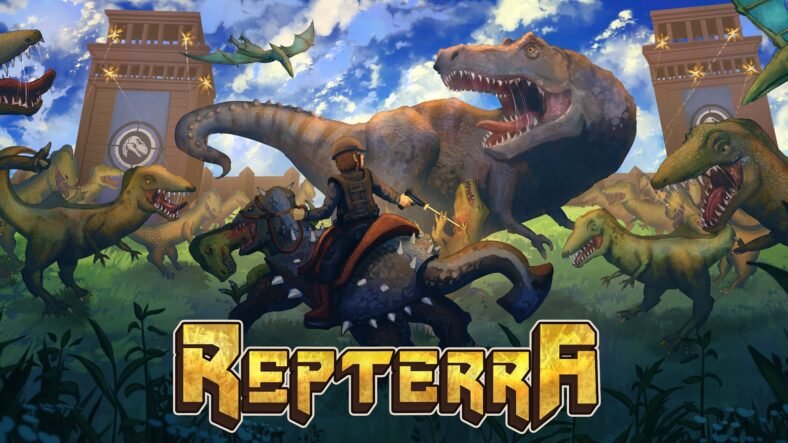
Developed by Chute Apps and published by MicroProse Software, Repterra is a brand-new survival RTS set in a world overrun by dinosaurs. Offering base-building and RTS mechanics inspired by the early 2000s classics like CnC, Repterra brings an interesting take on the castle defense genre while incorporating a massive horde system. This is our Early Access review of the PC Steam version of Repterra, in which we fight massive hordes of dinosaurs while trying to gather as many resources as possible.
For its Early Access phase, Repterra offers seven different stages, but you only get one at the start, and you have to grind for the in-game currency, DNA points, to unlock more. As the levels progress, they become more and more expensive, requiring even more grinding. There are no campaigns for these factions, and every level is like a sandbox with the same end goal. You can set the difficulty and the overall length of each level before starting it. You get multiple dinosaur horde waves before the final one, when every dino on the level, along with new ones, attacks your base and tries to take you out. You can make the level easier by hunting down the dinosaurs already on the level, before the final wave. If you fail this final wave, you will lose the game, but if you manage to defeat all of the enemies, you will win.
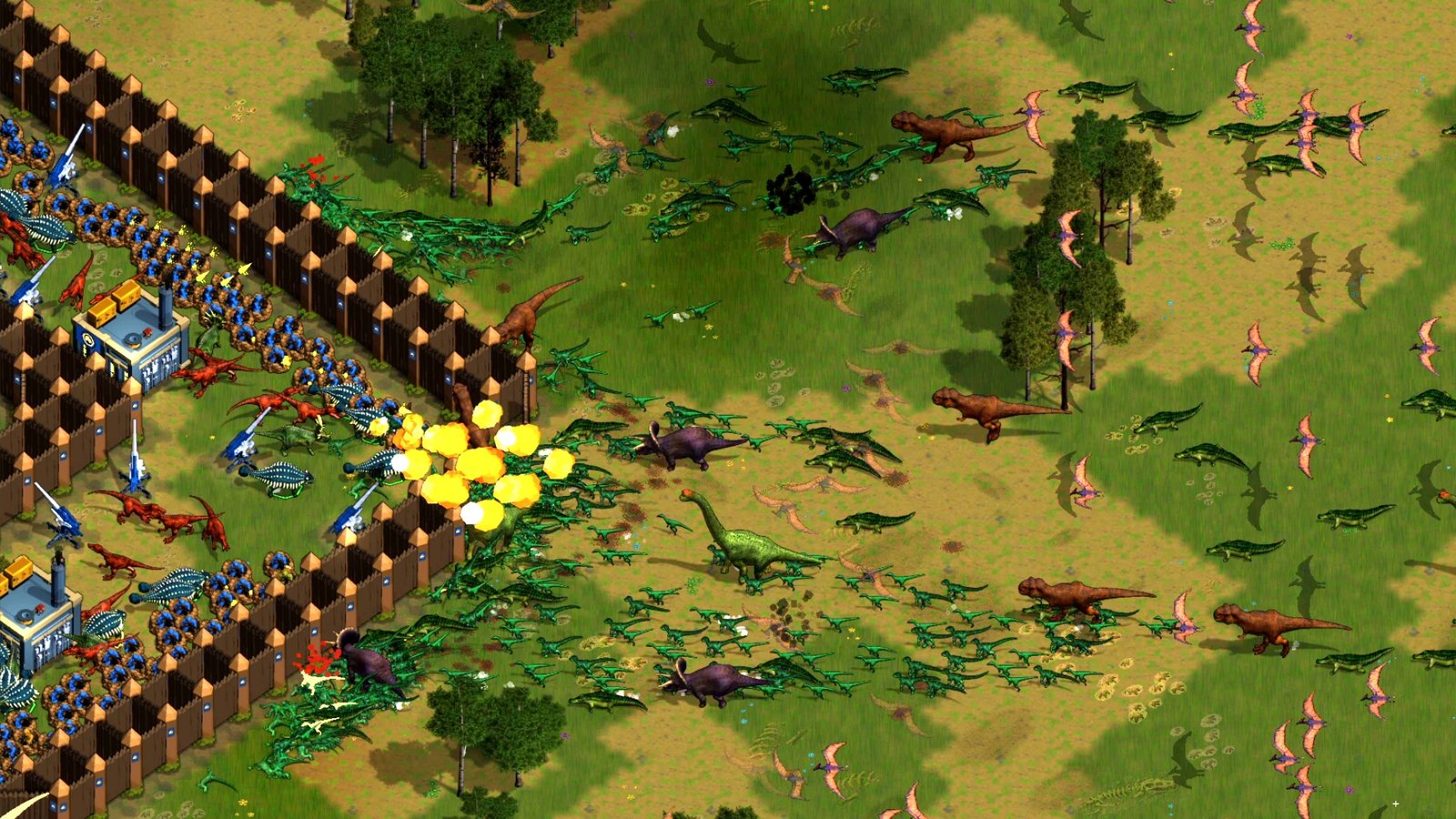
Repterra gives you freedom on how you want to expand your base. Your base is more of a settlement-military installation hybrid, as you will build houses, farms, resource collection buildings like wood, ore, or uranium collectors, and also structures like barracks, dinosaur production facilities, walls, defenses, and other combat buildings. You can expand to your liking if you can farm enough resources, and the game handles it pretty well. In nearly all levels, you start with a basic amount of units and buildings, but you can start resource production to expand, research new buildings and units, and finally create an army to begin your dinosaur hunt. Each map is littered with dinosaurs, with occasional smaller waves attacking you before the timer hits the full wave’s timer limit.
Every map is procedurally generated, so none of the games on the same map will feel similar. Along with your own structures, each map also offers some extra resources, or what I like to call Tech structures, which offer unique bonuses like regular income or the ability to call in reinforcements. As you expand your base, you have to look for special, rarer resources like Uranium because higher-tier units and upgrades will require it. Resources are found all over the map as well, so you can expand to them with your power buildings or capture a tech building near them to start building next to these resources for collection.
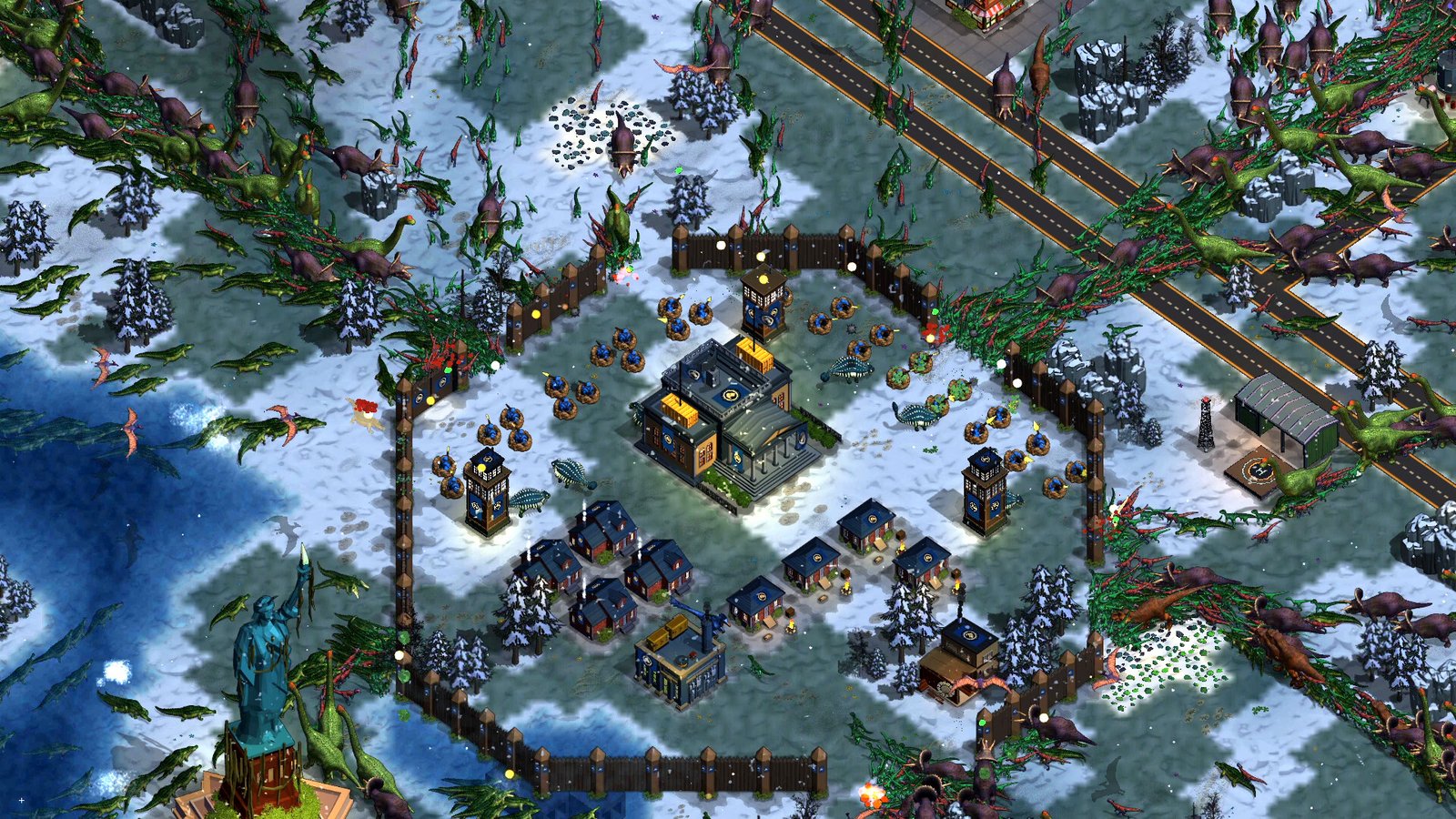
There are multiple resources that you will need to collect to maintain your base and armies. These range from basic ones like dollars, food, wood, ore, and power to some advanced ones like dinosaur eggs and uranium. Dino production requires its own structures, and you can also breed male and female dinosaurs to create babies with special mutations and buffs. It takes a little time, and the whole process feels a little tedious at this point, but you can create some interesting dinosaurs by breeding them. Apart from land, you have to worry about incoming dinosaurs from water and air as well. The gameplay is smooth, with units following commands instantly, and with advanced commands at your disposal, you can strategize unit movement.
For players who love dinosaurs, there are tons of dinos in the game. The enemies and playable units offer a healthy selection of options like Compys, Triceratops, Dilophosaurus, T. Rex, Brachiosaurus, Pteranodons, Styracosaurus, and many others. Your soldiers can ride certain dinosaurs to unlock unique ability combinations as well. Depending on your chosen difficulty, the dinosaur hordes can become insanely massive, and it is always a treat to watch them. I love how the game manages to just spawn an insane number of dinos and does not stutter at all. The dinosaur models are fairly decent to look at, but I would like to see a newer and more brutal-looking model for the T-Rex.
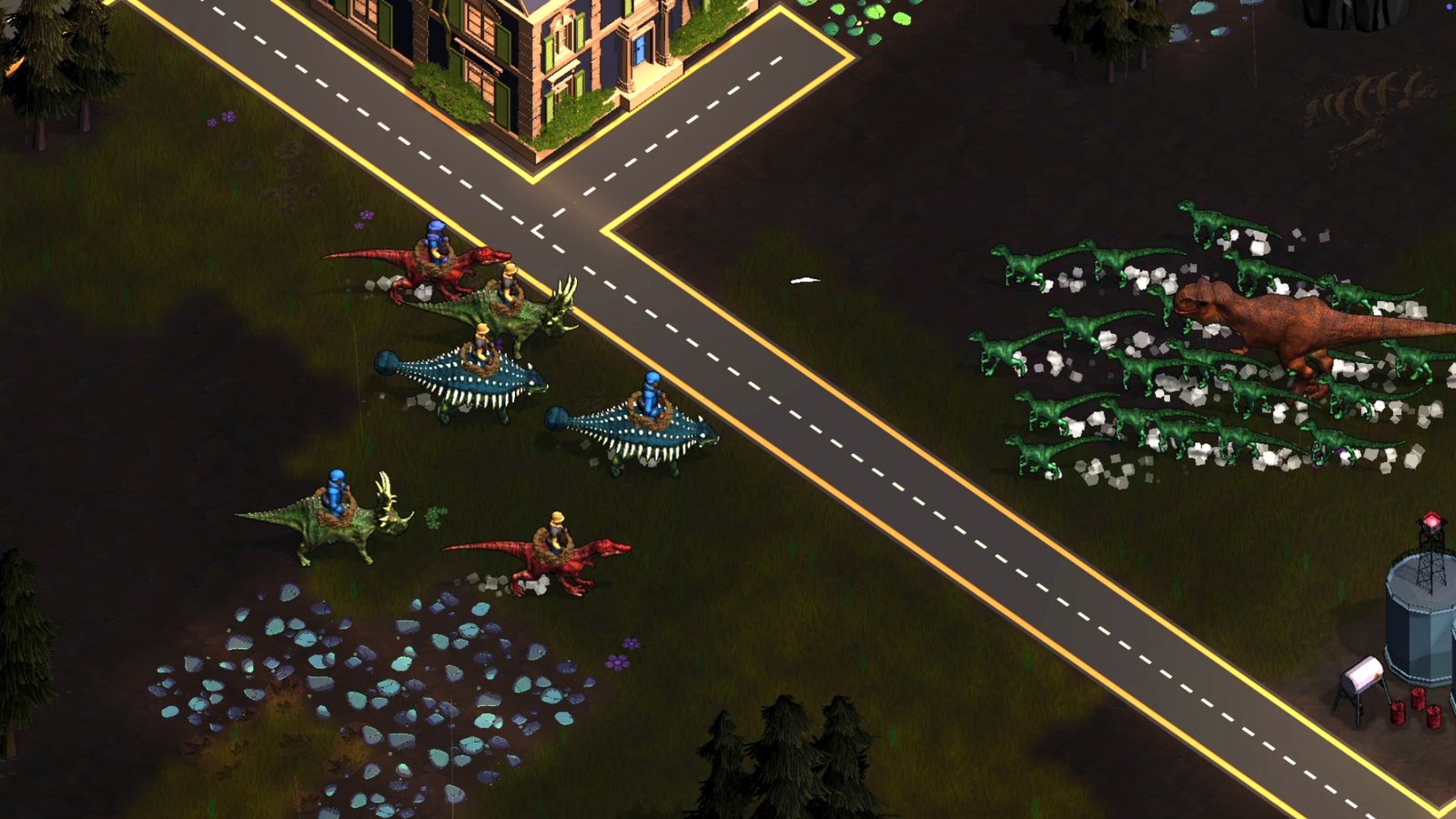
Currently, Repterra is offering two different factions: Feral Legion and Primal Vanguard. The Primal Vanguard is a dino-taming faction that prefers taming wild dinosaurs, while the Feral Legion excels at spawning huge armies and bulldozing their opposition with sheer numbers. Both factions feel somewhat similar in their use, but with different heroes and units. The basic gameplay is the same for both, and the overall game structure remains the same, regardless of which faction you pick. Another faction is planned for release during its Early Access development as well.
The game’s performance is quite impressive, considering how massive the dinosaur hordes can get. I do not recall any sort of framerate issues or crashes. I have been playing it since its demo release, and performance was one thing that did not disappoint in any stage of my playthrough. Repterra also has a smart unit movement system that I have seen in modern RTS titles. Units do not get stuck in loops or end up in dead ends. They smartly pick the path and move straight to the commanded location. Repterra also features good visuals. It keeps the nostalgic factor alive with basic visuals, but also keeps it modern enough to not feel like you are playing something with too few visual effects. It feels something like Red Alert 2, but with all of the modern HD goodies applied.
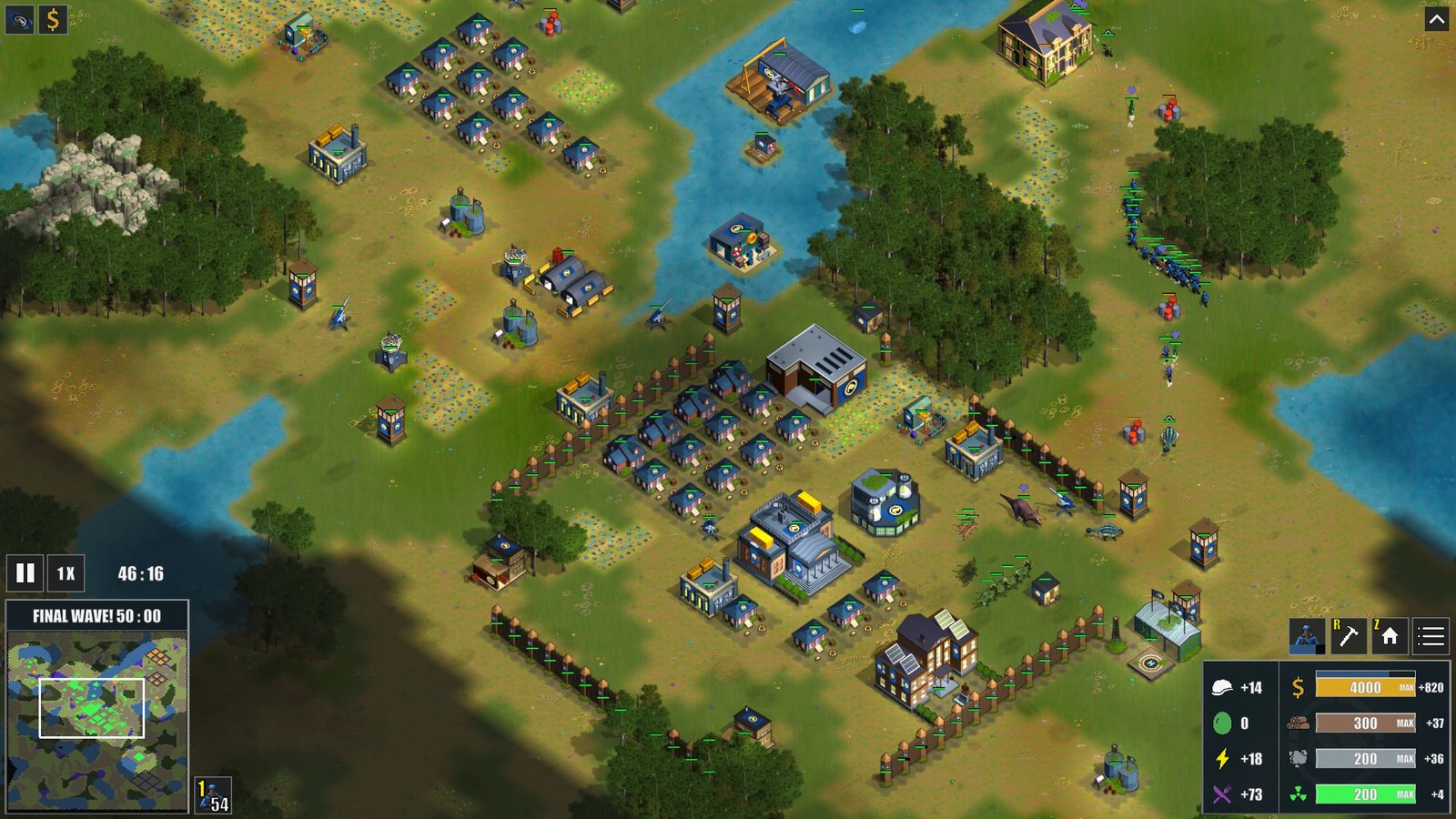
As of now, I have two main concerns with Repterra. One is its Perk system, while the other is its progression system. Adding no campaigns feels like a terrible design choice for a game like Repterra. It features an amazing base-building system, multiple factions, and large maps, which are the ingredients required for a meaty campaign. Everything is there, but still missing on creating missions for the factions, which is a major turn-off. Coming to the Perks, the game features an impressive list of Perks, but only allows you to equip four at a time. At the start of the game, you are stuck with a single slot, and you have to grind to unlock the rest. While these Perks are pretty basic in nature, limiting them to only four slots feels like another forced selection that does not make any sense.
For me, Repterra is a unique mix of emotions. I absolutely love its buttery smooth gameplay and massive dinosaur hordes with the unique blend of CNC-style RTS and castle defense mechanics, but I have big reservations about how the developers created the progression system of the game. Grinding for new levels feels like a cheap method to force players to continue playing the same unlocked levels again and again, and the lack of proper campaigns for each faction is a big miss on their part. I am not against repeating levels, as I have completed CnC titles many times, but they featured proper campaigns. Not procedurally generated levels, giving a roguelite look to them. This hybrid of mechanics manages to deliver on certain things but completely misses on others.
Final Verdict:
Repterra features amazing RTS mechanics, and the horde system is exceptionally well executed. The game engine handles massive dinosaur hordes really well, but the game’s overall direction feels a little off. There are no proper campaigns for factions, the progression system is locked behind a weird in-game currency-based grinding system, and the factions do not feel unique. On the other hand, the gameplay is extremely satisfying as you slaughter hordes of incoming dinosaurs with base-building. It is like the dino-missions from CnC got their own full game. Repterra will definitely appeal to players who love classic RTS mechanics with base-building and dinosaurs, but I would wait until the developers add more content to the game and development continues during its Early Access phase before jumping back into it.
Final Score: 7.5/10
Disclaimer: An Early Access PC Steam review code for Repterra was provided by Take the Potion on behalf of MicroProse Software. Read our Review Policy.