Originally released in 2002, Godzilla: Destroy All Monsters Melee brought some of the most iconic Kaiju from the franchise together for massive monster battles across destructible cities. More than two decades later, the classic fighting game is making a return with Godzilla: Destroy All Monsters Melee Remastered, developed by Pipeworks Studios and published by Atari. Featuring upgraded visuals, revamped environments, additional gameplay options, and several quality-of-life improvements, the remaster brings the original monster brawler to modern platforms. But does it still hold up as an entertaining fighting game today? This is our review of Godzilla: Destroy All Monsters Melee Remastered on PS5, where we unleash iconic monsters, flatten entire cities, and fight for the title of King of the Monsters.
Godzilla: Destroy All Monsters Melee Remastered offers three primary gameplay modes. The original 2002 release only offered two. In the remaster, you have Singleplayer, which is the main campaign-style mode, while you have Custom Battles along with brand-new Online Games, which are gameplay modes tailored for 1v1 or team-based online battles or destruction modes. For online, you must have a PS Plus subscription, or you will not be able to experience the online modes.
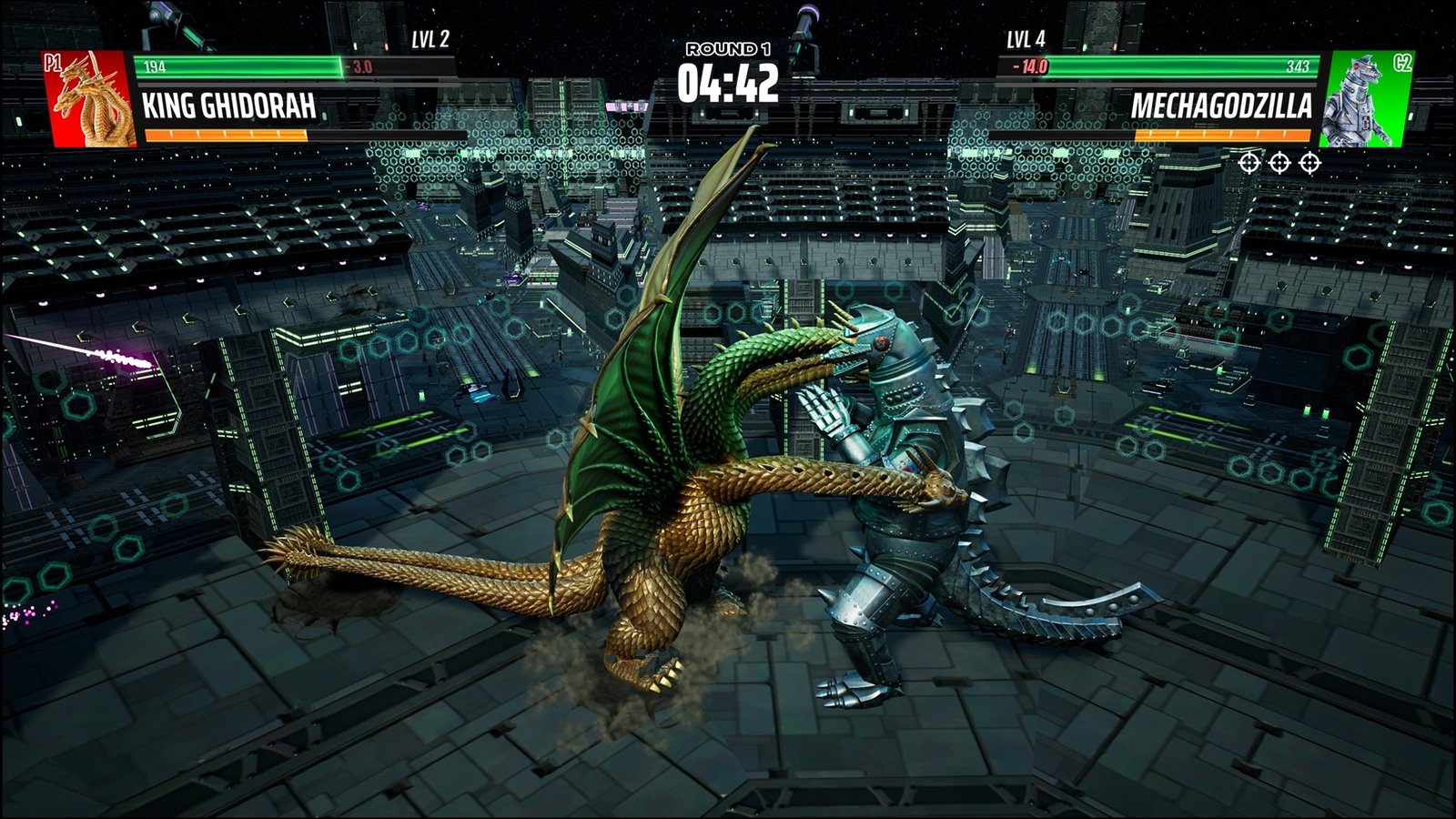
In Custom Battles, you can have fights of your own choosing. You can select a monster, invite other players in local battles or destruction, or, if you want to play solo, add up to three other bots and cause mayhem in different cities. You can select different modes like Versus, Melee, or Destruction and earn Research Points or Gallery Coins while winning games or even losing. You can also level up your monsters in custom games to make them more powerful.
If you prefer playing the game solo, you can jump into the Singleplayer mode, which is the main mode of the game. The Classic Adventure mode in Singleplayer serves as a story mode in which you must free the other Kaiju from the mind-control of an invading alien force in different cities by fighting them and finally heading to their mothership and taking down the Mecha Godzilla once and for all. The Adventure mode also offers Gauntlet and Challenge modes, which are aimed at players looking for tougher fights throughout the campaign, with multi-monster fights and increased challenge.
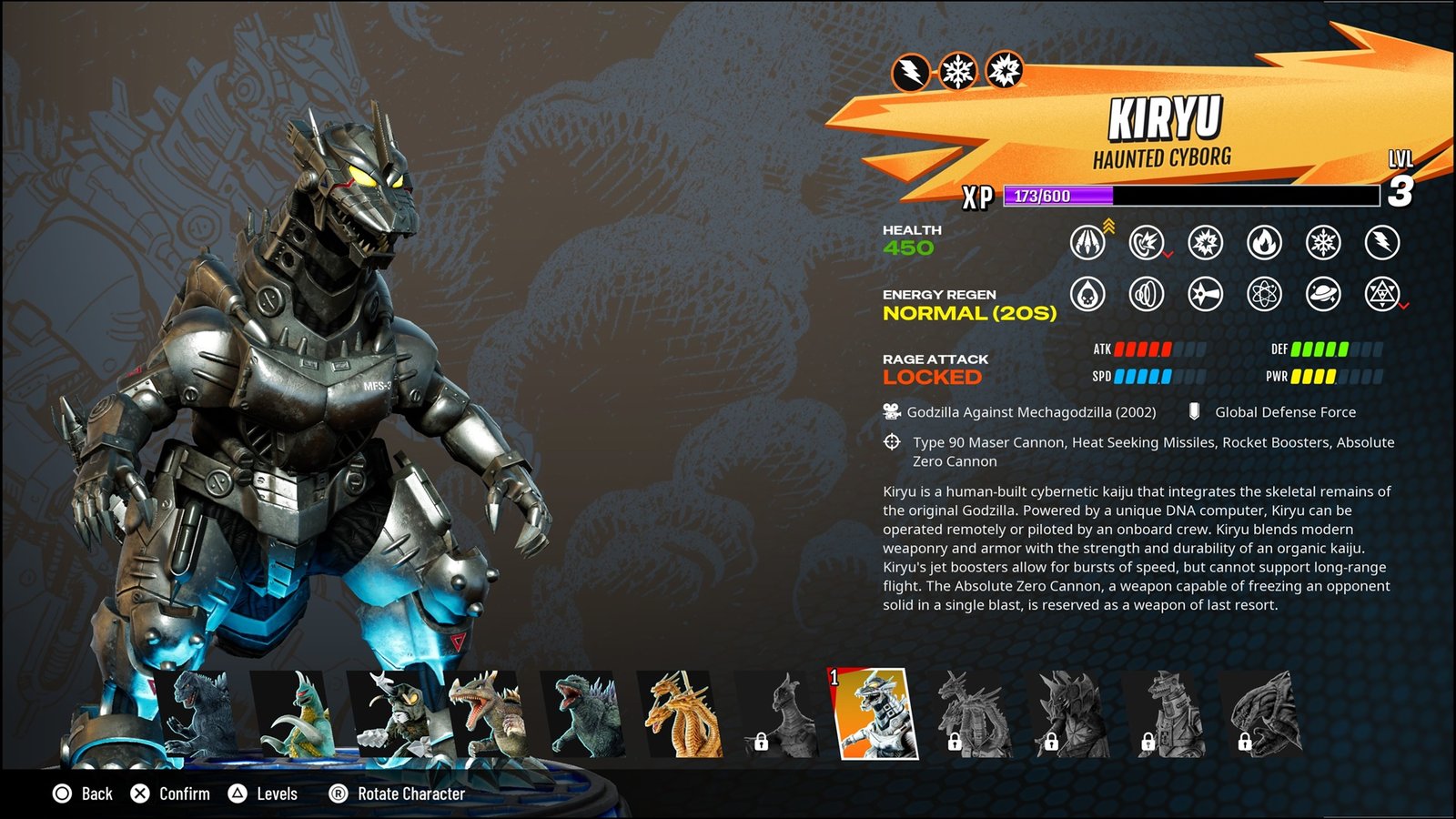
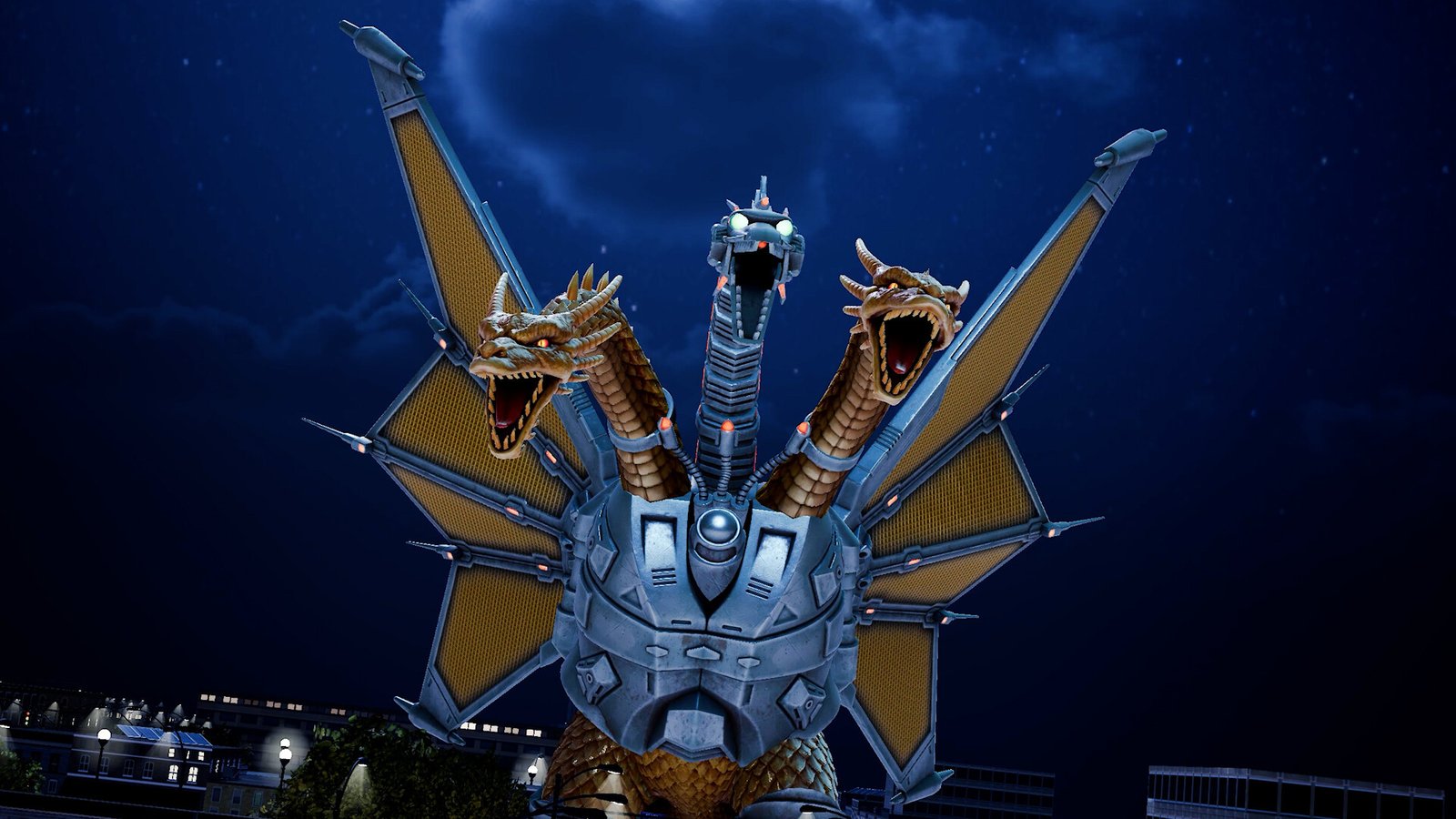
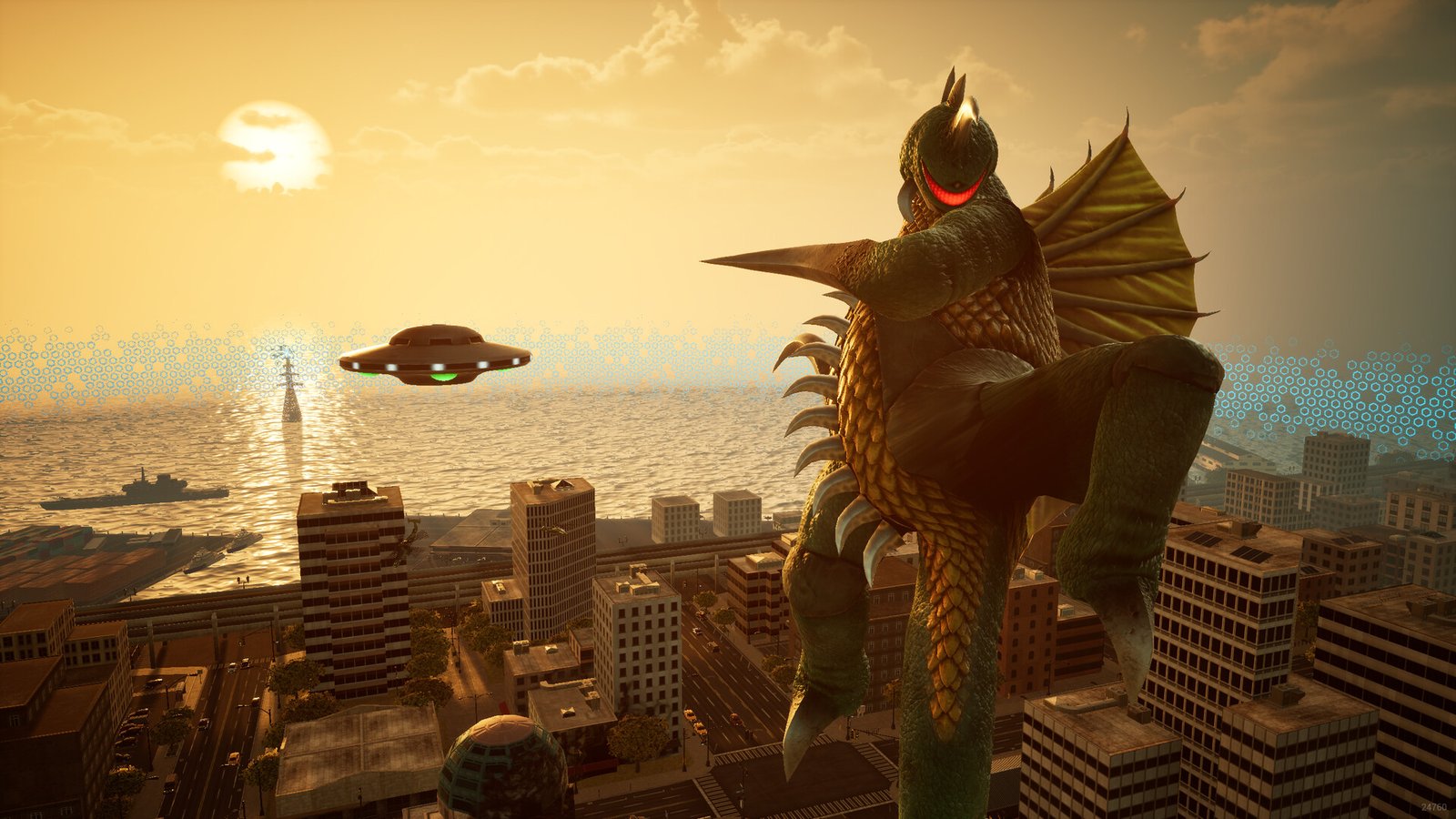
Godzilla: Destroy All Monsters Melee Remastered features 12 playable monsters, offering a decent selection of fan-favourite Kaiju, including Godzilla, Godzilla 2000, Kiryu, MechaGodzilla, King Ghidorah, and Rodan. Each monster has its own strengths and weaknesses, and the sense of scale during battles is excellent. I particularly liked how the developers have recreated the appearance and proportions of these iconic monsters, although Rodan felt slightly smaller than I expected, considering his size in the movies. Their sound design is equally impressive, with roars that closely resemble their cinematic counterparts.
Apart from the fighting modes, you have the G-Force Lab, which is the main area that details how you can unlock locked content in the game. In the G-Force Lab, you will find Rumors and Projects along with Sightings. The Rumors are like challenges, and you must complete them before unlocking their respective research in the Projects section. These range from simple options such as playing a certain number of games on a particular map to grindy ones like levelling up different monsters to a particular level. You can complete multiple Rumors at the same time.
In Projects, you will find all of the currently unlocked Research proposals. These include new battlegrounds and monsters. Unlike Rumors, only one research item can be selected in the Projects section. Once selected, after every game mode you complete, which gives Research Points, you will gain a certain number of points for the equipped project. Once complete, you will unlock the attached monster or battleground. These require quite a bit of grinding to complete. The final section, Sightings, is basically an archive containing images of past movies in which these Kaiju were featured.
There are no microtransactions in the game, but you do have multiple in-game currencies which are required to unlock new monsters, battlegrounds, or content in the historical archive. These include Gallery Coins, which are exclusively used to unlock items in the historical archive called Sightings. Every time you collect a Gallery Coin, you get a random picture unlocked in the Sightings section. You can play different combinations of monsters and battlegrounds to unlock additional content. The two other in-game currencies include Research Points and Character XP.
Character XP is earned by playing with a monster. The more you play with a specific monster, the more XP you get for that particular monster, and after every milestone, you level up that monster for different bonuses like additional health, unlocking Rage, increased power recovery, and such. Only certain modes, like Custom Battles and Singleplayer modes, allow you to earn Character XP. Finally, you have Research Points, which are used to complete investigations and unlock new content in the game. You earn them from playing specific modes like Online Games, Custom Battles, and Singleplayer Adventure.
Unlocking new content in the game is a little grindy because the modes and battlegrounds, as well as the monsters, are fairly limited when you first start playing the game. Only a few of the locked options are quick unlocks, and the rest require quite a bit of replaying on the same battlegrounds and using the same monsters. It can become a little repetitive in the long run because while the starting selection is quite decent, the interesting ones are locked. While I wasn’t particularly interested in unlocking additional battlegrounds, certain monsters, including Rodan and Destoroyah, are tied to progression through the research system. This makes the grind worthwhile, but I am glad that nothing is locked behind microtransactions in the game.
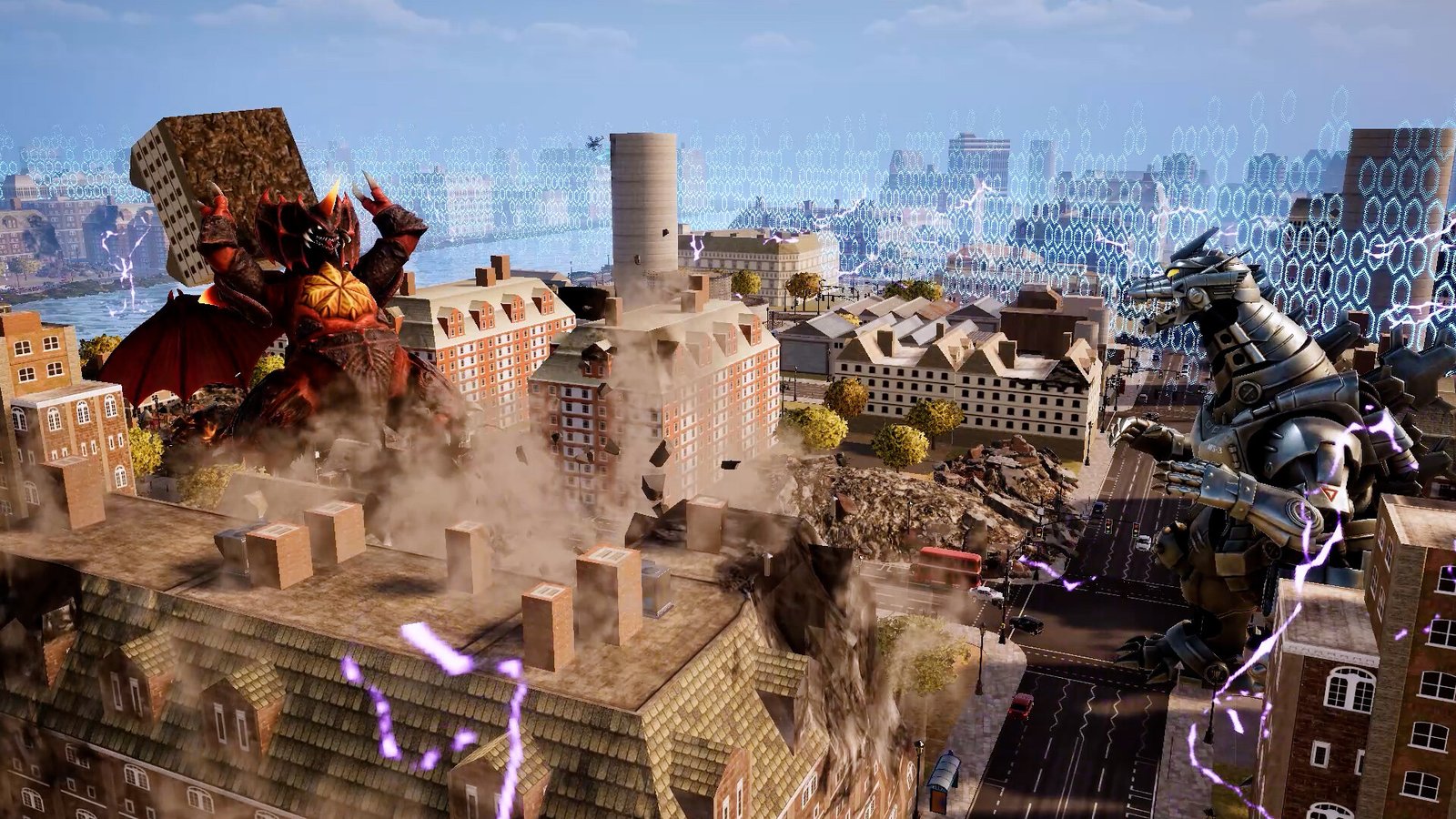
Coming to the actual gameplay, Godzilla: Destroy All Monsters Melee Remastered is relatively easy to pick up, making it accessible to casual players who simply want to control massive monsters and destroy everything around them. Each Kaiju has its own set of attacks and combos, performed through different button combinations. These include punches, kicks, tail attacks, slams, and special ranged attacks that consume energy. Blocking is equally important, as I learned the hard way during my initial battles. Until I started incorporating regular blocking and better positioning into my strategy, winning fights was considerably harder.
Another excellent aspect of the game is that each monster feels unique in fights as well. Monsters like Godzilla and King Ghidorah are heavier, with slower but hard-hitting attacks, while smaller monsters like Megalon excel at speed and agility. Each monster requires its own gameplay style if you really want to master their unique attacks like missiles, powerful cannons, slams, and other moves. Monsters like King Ghidorah and Mecha Godzilla are able to fly in the arena as well.
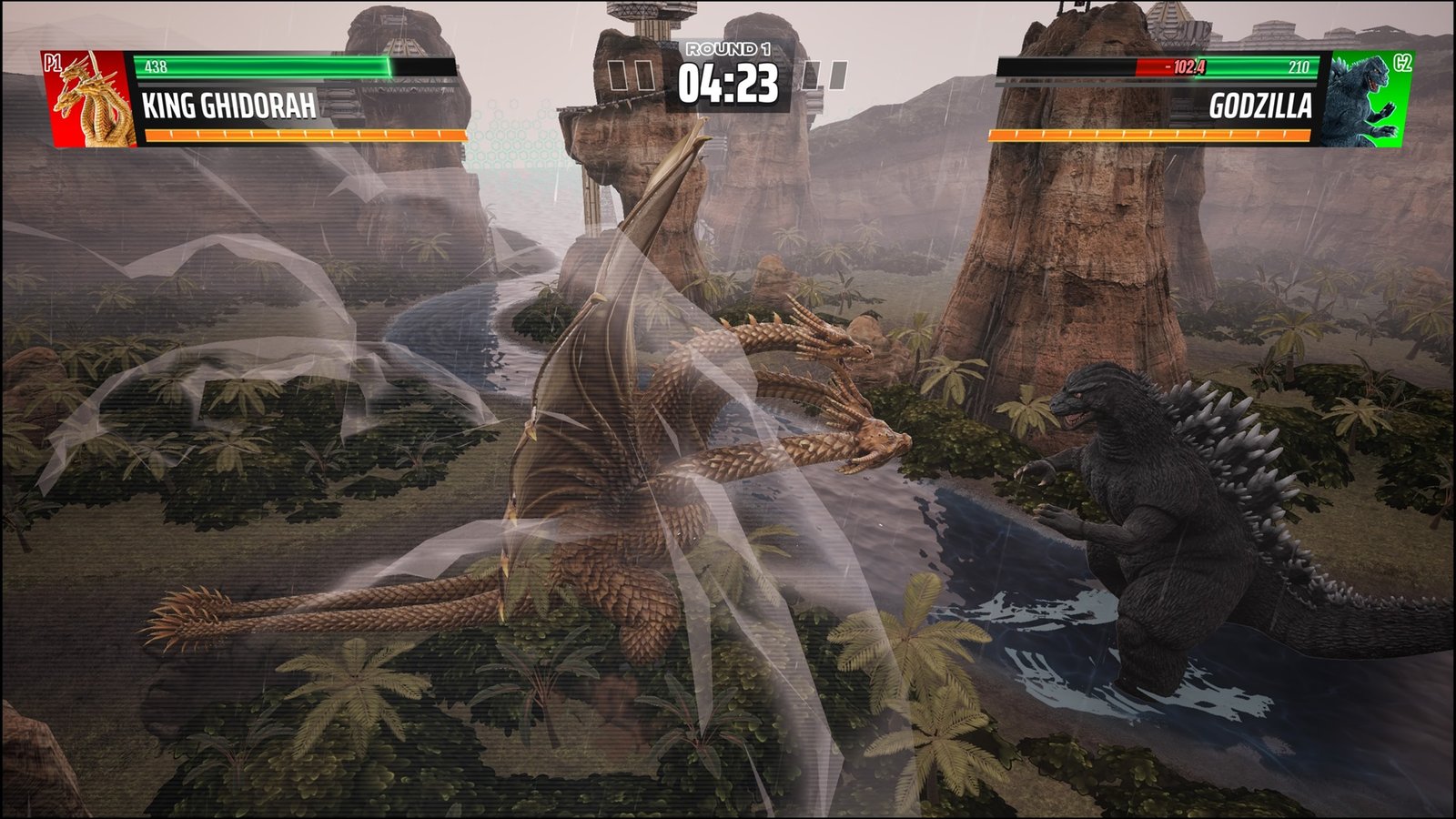
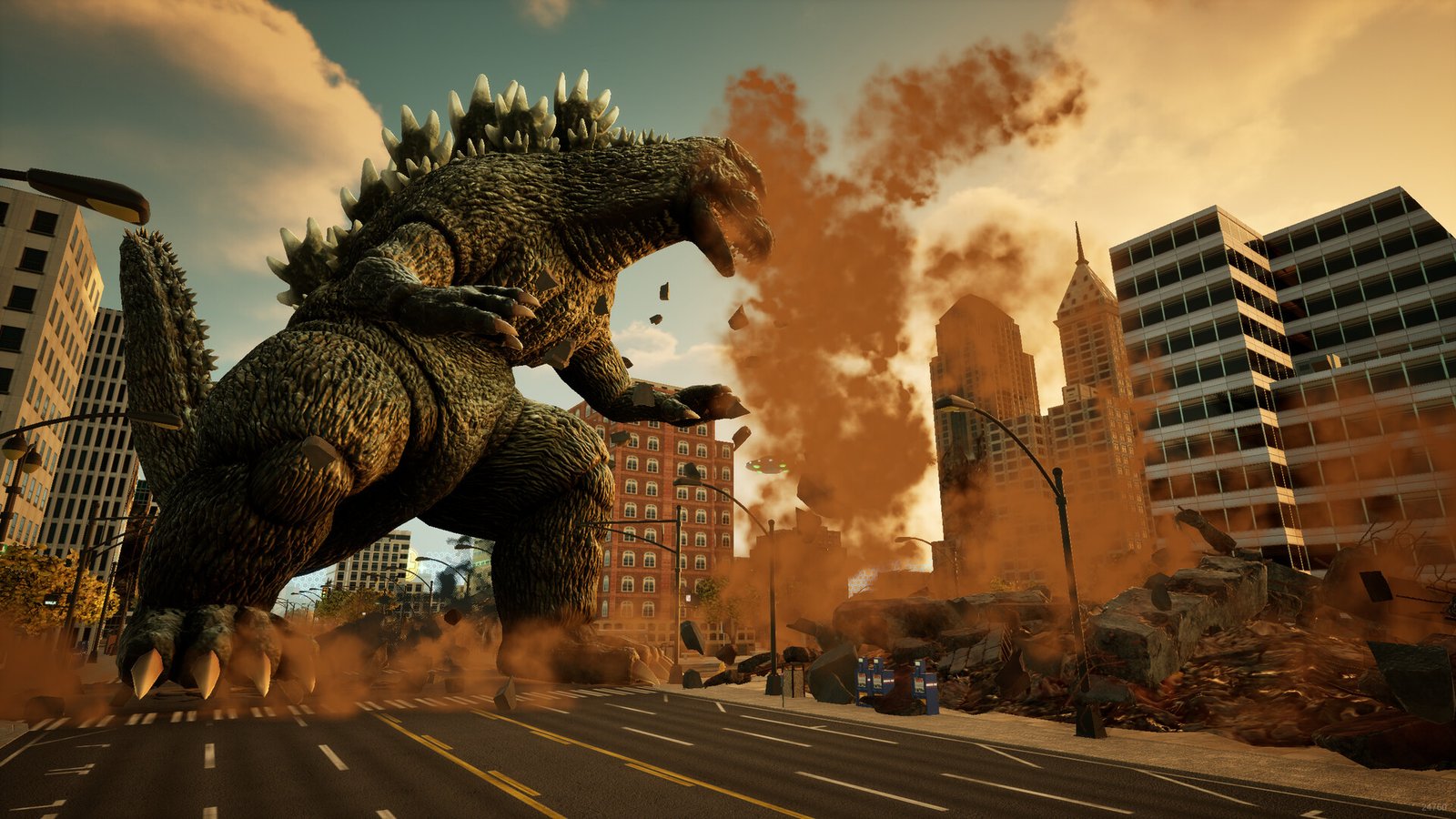
Battles take place across several locations, including San Francisco, Seattle, and Monster Island, where the impressive scale of these encounters becomes immediately apparent. You can crush entire buildings, pick up structures, and throw them at opponents as if they were ordinary objects. By the end of most battles, the arena is left almost completely flattened. The destruction becomes even more entertaining when multiple monsters are fighting simultaneously, turning entire city blocks into battlefields.
While Godzilla: Destroy All Monsters Melee Remastered brings fancy visuals and improved gameplay mechanics for newer platforms, it still suffers from some shortcomings of the original release. The biggest problem for me in the game is inconsistent hitboxes. During fights, sometimes I felt that the hits simply would not connect. Either I or my opponent would swing a fist or a leg, and it would just go through the other monster. It would not connect. In other cases, a hit would register even when, visually, the arm or leg would not connect with the other monster.
In addition, while every monster has a decent set of moves, the combos are simple, and the moveset is fairly straightforward for all monsters. Each monster is balanced well, and none feel too overpowered over the other. This might be a little off-putting for hardcore fighting game fans who come in with the expectations of Tekken or Street Fighter-level fighting mechanics, combos, and moves. At the end, Godzilla: Destroy All Monsters Melee Remastered is mostly a casual fighting game, but it is still difficult enough that you have to learn attack combos, level up the monsters, and use a good balance of offense and defense to win.
Related News:
- Monsterverse Arrives on PC with Free-to-Play 4X Strategy Game Godzilla X Kong: Titan Chasers
- Review: Kong: Survivor Instinct – Excellent Game Design Let Down by Poor Combat Design
- Kong: Survivor Instinct Reveals Tiamat as the Latest Titan to Be Featured in the Game Along with Release Date and Price
Final Verdict:
Godzilla: Destroy All Monsters Melee Remastered brings back an entertaining Kaiju fighting experience with impressive monster designs, excellent scale, and plenty of environmental destruction. Its straightforward combat makes it accessible to casual players, while the different monsters, unlockable content, and multiple gameplay modes provide enough reasons to keep coming back. However, inconsistent hit detection, relatively basic combat mechanics, and a somewhat grindy progression system prevent it from reaching its full potential. Hardcore fighting-game fans might find its mechanics too simplistic, but fans of Godzilla and anyone looking for an entertaining monster brawler will find plenty to enjoy. Despite its shortcomings, this is a solid remaster of a classic Kaiju fighting game that is well worth experiencing.
Final Score: 8.0/10
Disclaimer: A PS5 review code for Godzilla: Destroy All Monsters Melee Remastered was provided by FortySeven on behalf of Atari. For a detailed breakdown of our scoring and review process, please refer to our Review Policy.