Developed and published by Ubisoft, The Crew Motorfest is the third title in the long-running racing franchise that introduced players to a massive open-world driving experience. Keeping the original DNA of the franchise, The Crew Motorfest makes some important design changes to its core formula while retaining the action-paced racing of the franchise. Currently in its Season 9, and despite being nearly three years old at this point, it is still going strong with brilliant new playlists arriving in the game, such as the previously released NASCAR Motorfest Tour and the RC Frenzy playlist. These playlists show that Ubisoft is still not done with the game. We took this opportunity for an exclusive interview with the development team to dig deep into The Crew Motorfest and the ongoing Season 9. Answering our questions here is Julien Hummer, Creative Director of The Crew Motorfest at Ubisoft. Let’s jump straight into it:
GH: For readers discovering The Crew Motorfest for the first time, how would you define its identity within today’s open-world racing genre?
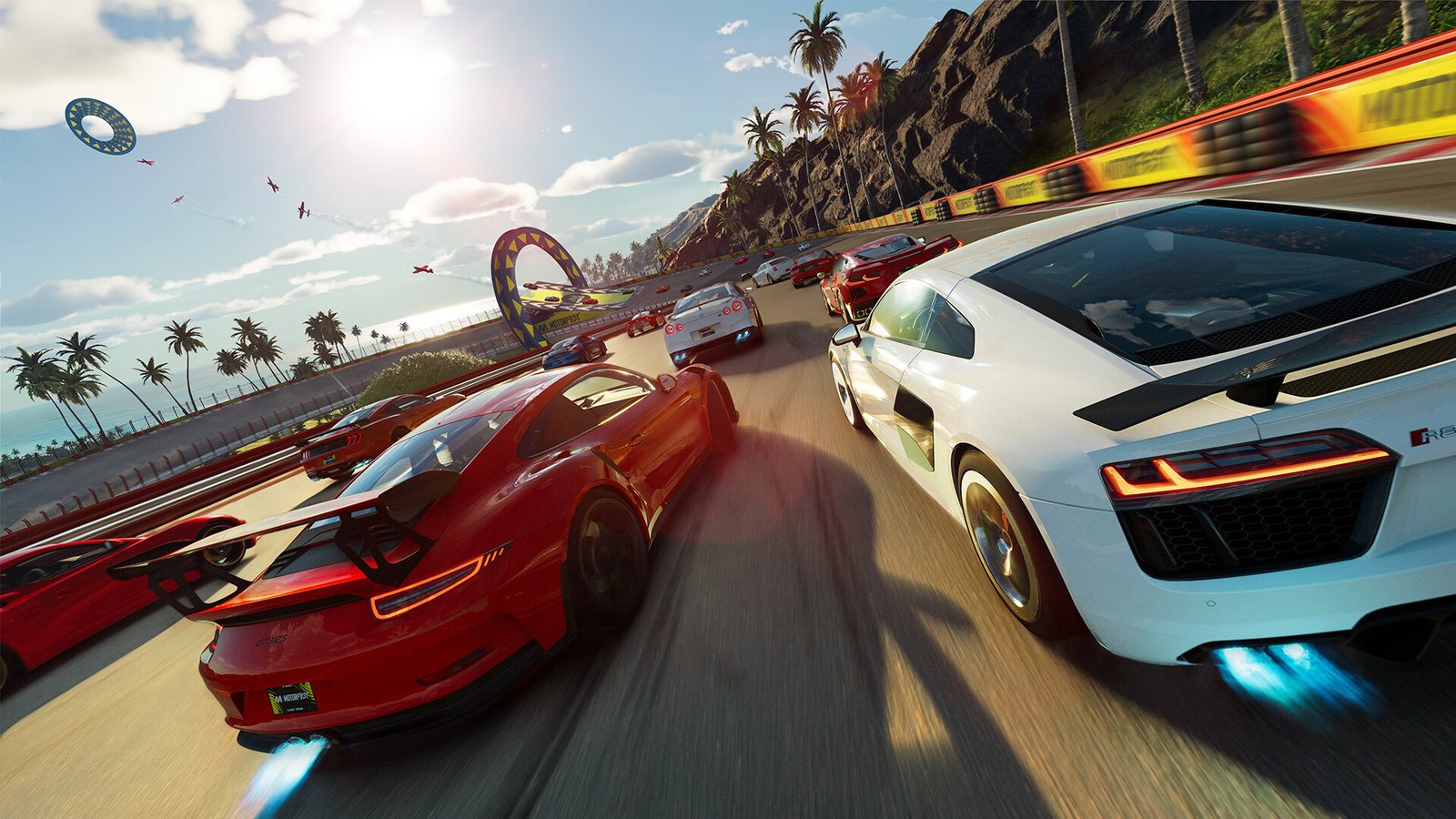
JH: The Crew Motorfest is our latest take on the open-world driving genre. Motorfest is a car-culture-infused festival organized in one of the world’s most breathtaking archipelagos: Hawaii. On your own or with your friends, you can explore these galvanizing tropical playgrounds behind the wheel of hundreds of the most legendary vehicles ever built. On every corner of the islands, the festival offers infinite opportunities for pure fun.
Players will be able to join the celebration and take part in an ever-changing program of activities. They will discover new outlooks on car culture through a selection of thematic campaigns, called Playlists, intense driving races, and various competitive live events! So, I’d sum up by saying: for someone coming fresh to The Crew Motorfest, its identity sits somewhere between a festival racer and a lifestyle sandbox, rather than a pure motorsport simulator.
GH: Moving from the large-scale U.S. setting of previous titles to the more focused island of Oʻahu was a major shift. What creative opportunities did that change unlock for the team?
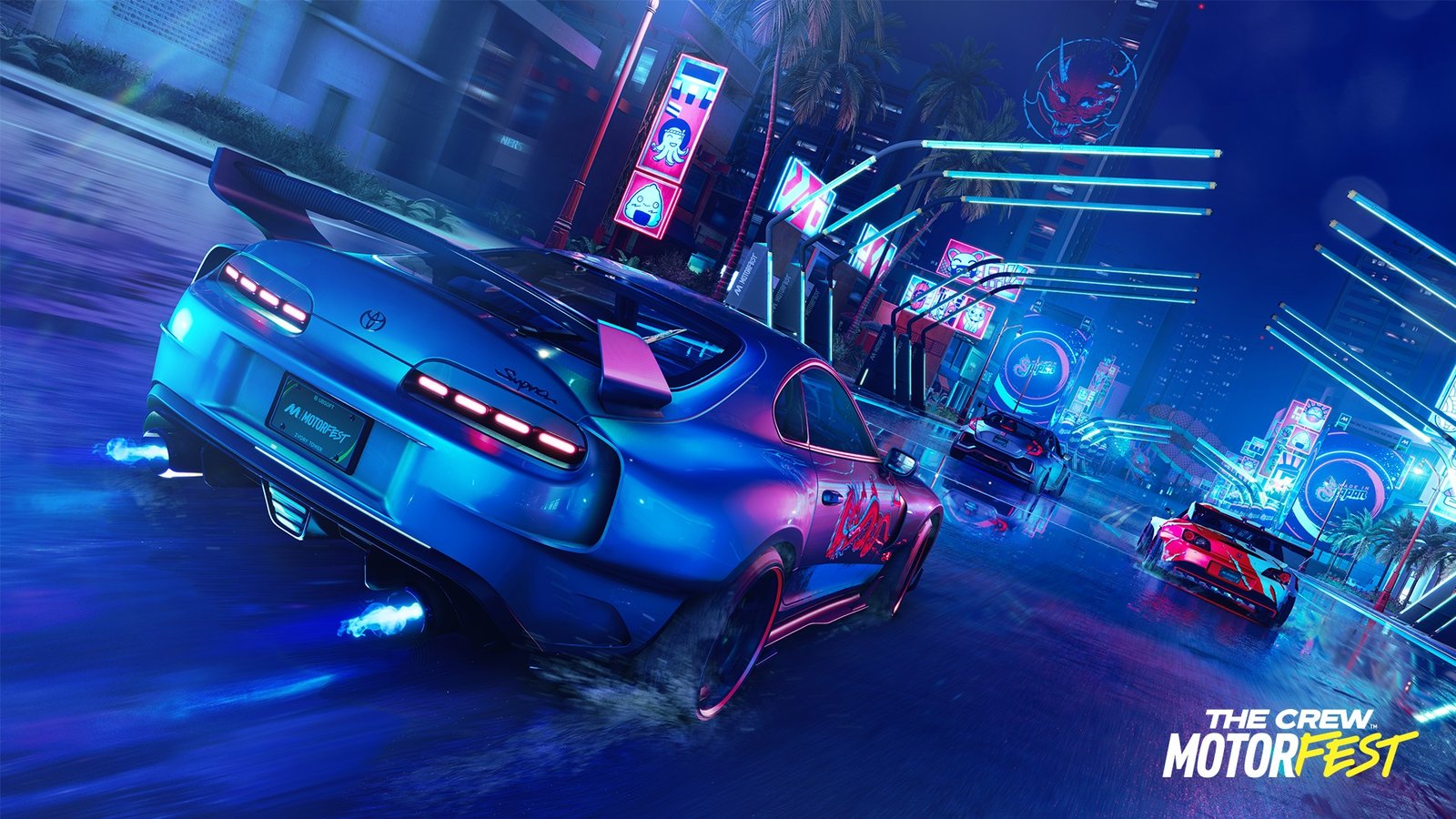
JH: We’ve been expanding The Crew 2 for over 6 years, and it’s been quite a ride – 9 seasons and now over 50 million players on the franchise; the game is now fully automated. Our goal has always been to offer an evolving experience, but our vision and ambition with The Crew Motorfest is a completely new concept. The Crew Motorfest offers a hugely diverse and action-packed experience, moving away from the US mainland for the very first time in the franchise, on a brand-new map. Its formula, as well as its vision, offers a new take on car culture by celebrating all the aspects that make it widely popular across time & regions, around capsules of themed experiences praising performance, collection, customization, exploration, or pure fun with RC cars, for example.
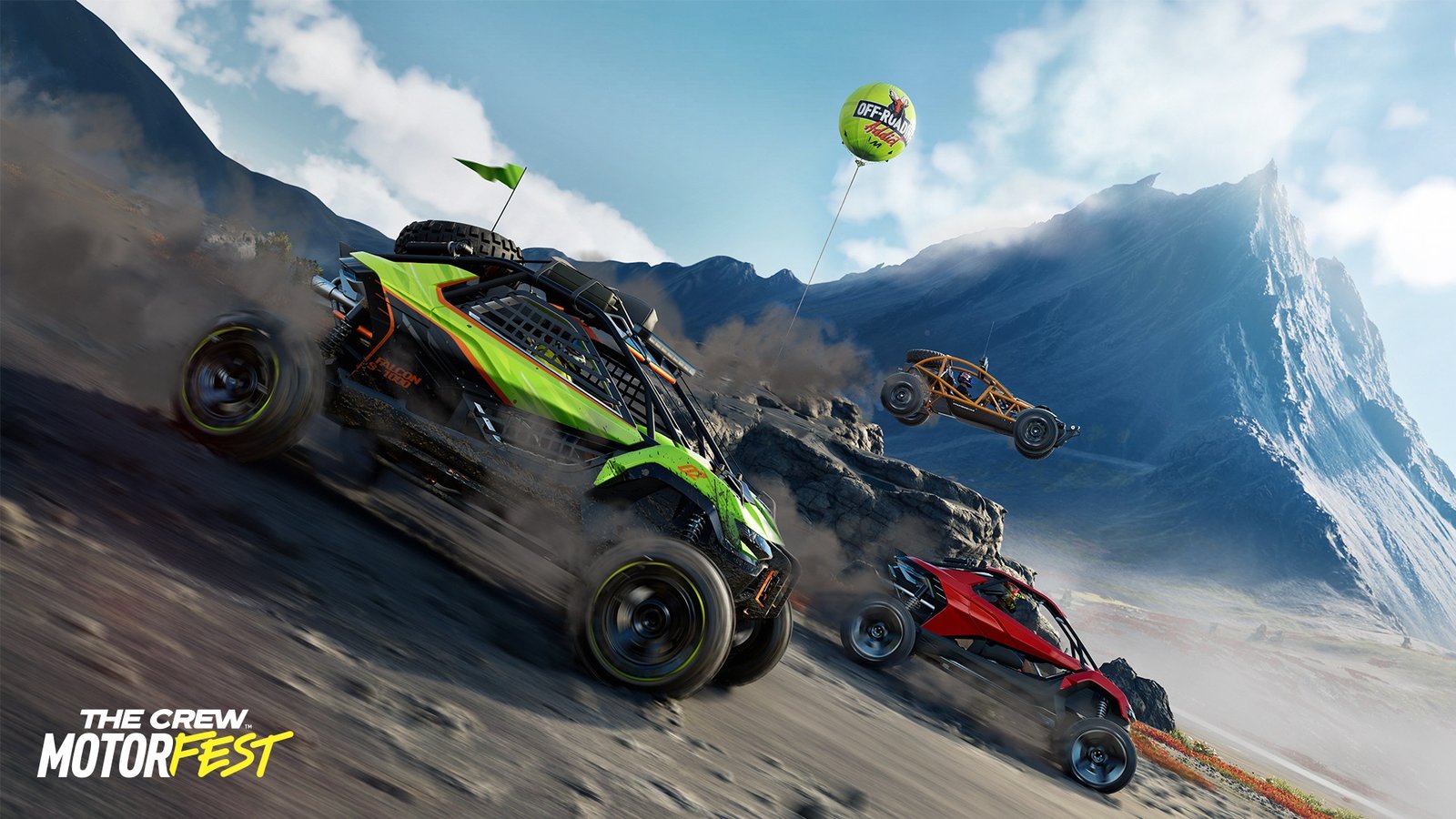
What we also learned with The Crew and The Crew 2 is also about the density and diversity of activities available in-game. Our open world isn’t just a backdrop for racing; it’s a playground designed for variety. Players are encouraged to switch constantly between vehicle types and activities. This multi-vehicle approach is something the broader The Crew franchise has always emphasized, and Motorfest refines it into something more seamless and less overwhelming than earlier entries. More than 700 vehicles are now available in The Crew Motorfest. Our objective is to give our players the most diverse lineup of vehicles possible to enjoy one of the densest road networks we have ever deployed, without speaking of the 20K + activities already available in the game!
GH: Motorfest leans heavily into automotive culture rather than just racing itself. How early was that philosophy established, and how did it shape the project from the start?
JH: It was there from day one. We kept asking ourselves: What does it mean to be a car enthusiast? It’s not just about lap times. It’s about the community, the style, the stories behind iconic vehicles, the music and the art, and the lifestyle. The playlist system was born from that philosophy: the idea that each playlist is like a cultural lens through which you experience a different facet of motorized passion. That frame shaped everything: the art direction, the sound design, the UI, the way we introduce vehicles, the introduction of brand new vehicles never seen before in a racing game, like the Lamborghini Revuelto or the Ferrari F80. We wanted players to feel like they were attending the world’s greatest automotive festival, not just playing a racing game.
GH: The playlist structure gives each part of the game a distinct personality. What was the design philosophy behind using playlists as the core progression system?
JH: We wanted to break away from the traditional “unlock cars and win championships” loop. Playlists let us tell stories. Each one is curated around a theme, a culture, a moment in automotive history, a brand, a talent, and more. It means a player can jump into a playlist about Japanese car culture and feel completely immersed in that world for a few hours, then switch to something like the story behind Ferrari told by the director of the brand museum himself. The progression within each playlist is designed to build that emotional arc. We all have a story with a car; you start discovering the theme and end up feeling like you truly lived it. It also gives us incredible flexibility as a live service to keep adding new cultural chapters without disrupting what already exists. RC Cars dropping in the game on May 6th is the perfect example of this philosophy.
GH: Oʻahu feels handcrafted rather than simply scaled for size. From a world-building perspective, what were the biggest artistic challenges in recreating the island authentically while still making it exciting to drive?
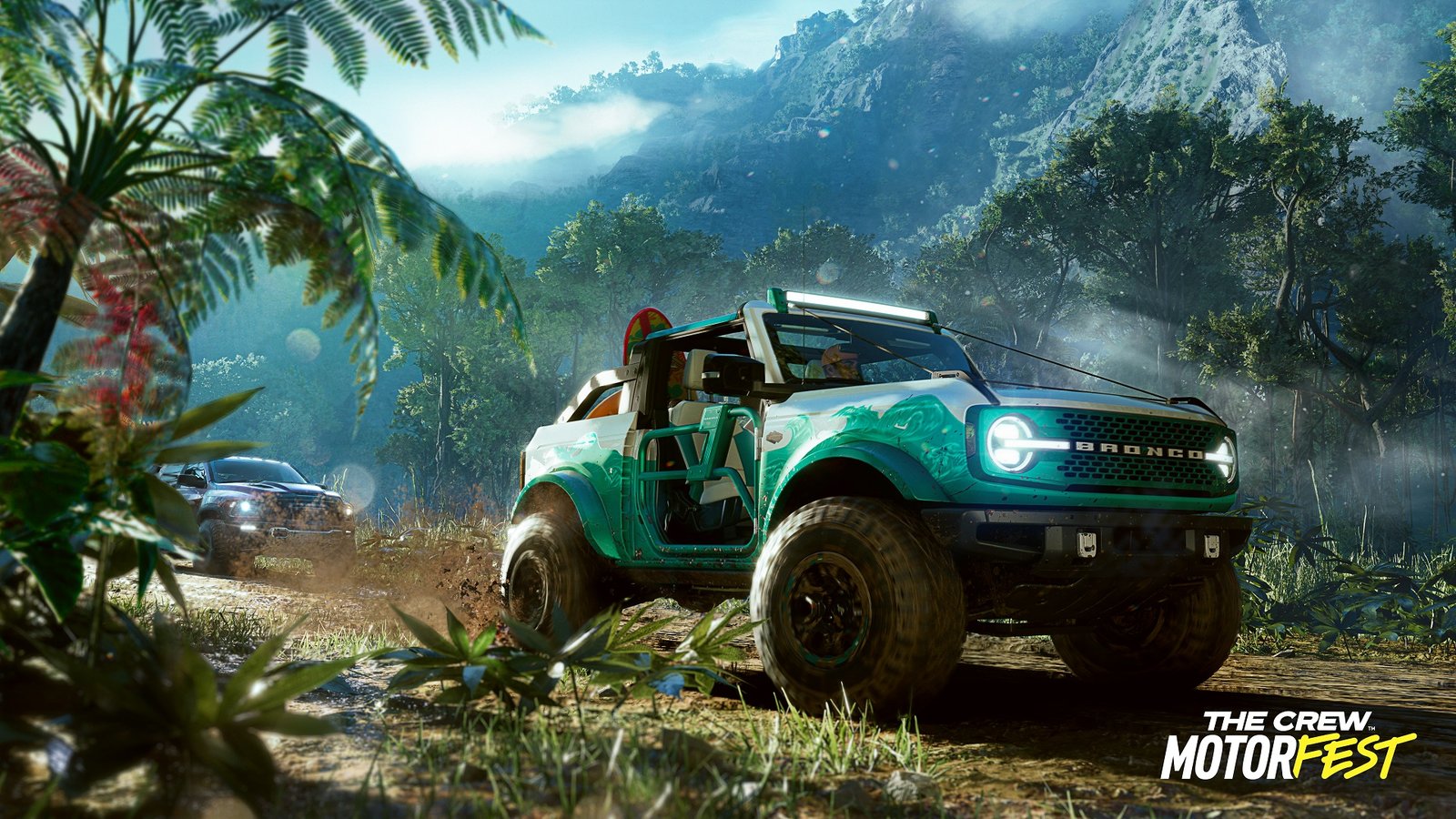
JH: The balance between authenticity and fun is always the core tension in world-building for a racing game. We did a lot of research, visual references, cultural consultations, and on-the-ground documentation to make sure not only Oʻahu but the whole Hawaiian archipelago felt real and respectful. But a 1:1 recreation isn’t always fun to drive through, especially with a hypercar that can reach 400 km/h. Some roads needed to be widened slightly, some elevation changes amplified, some sightlines opened, and some elements displaced for more biome variety (ex. adding the volcano in O’ahu). The challenge is doing all of that without breaking the sense of place. Our teams were incredibly meticulous about it, making sure that even when we took creative liberties, the soul of the islands remained intact.
GH: How closely did the art and design teams work with local references and cultural inspirations to ensure the world felt respectful and believable?
JH: Very closely. We were very conscious of the responsibility that comes with representing a place that has such deep cultural significance. We worked with references from several local creators, artists, studied architecture, vegetation, and more. We also closely worked during all the development of the game with Keola Naka’ahiki Rapozo, as our main cultural advisor. In the game, you’ll also see dozens of murals, most of them created by Hawaiian artists specifically for our game. That respect for the source material is something the whole team took seriously from the very beginning.
GH: Lighting, weather, and environmental detail play a huge role in immersion. Which visual elements were the biggest priorities for the 3D team when defining Motorfest’s atmosphere?
JH: Speaking about immersion, light has been one of our biggest priorities. Hawaii has this extraordinary quality and diversity of light, the way the sun hits the water, the golden hour over the mountains, the dramatic skies before a tropical storm, or the plume of the volcano highlighted by the rise of the sun. Capturing that was essential to making the world feel alive. We also put a huge amount of work into the water, both the ocean and smaller bodies of water across the island, because it’s such a defining element of Hawaii’s identity. And then environmental density makes sure that whether you’re driving through a neighborhood at 50 km/h or blasting down a coastal highway at 300, there’s always something beautiful in your peripheral vision.
GH: Car presentation is a major part of fantasy. How do you approach making vehicles feel like characters rather than just gameplay tools?
JH: Every vehicle in Motorfest has a story. We think about the culture it belongs to, the era it represents, the community that loves it, and the people who built it. For all the vehicles available in the game, there are hundreds of hours of work, everything from how it’s introduced in a playlist to the sound design, the physics, the handling feel, and even how it’s lit in the menus. We want players to develop an emotional connection with their vehicles to feel proud of their collection, to show it off, and share it with the community. We have one of the best photo modes available in the industry, and it exists for exactly that reason. A car in The Crew Motorfest should feel like a statement, not just a way to get from A to B.
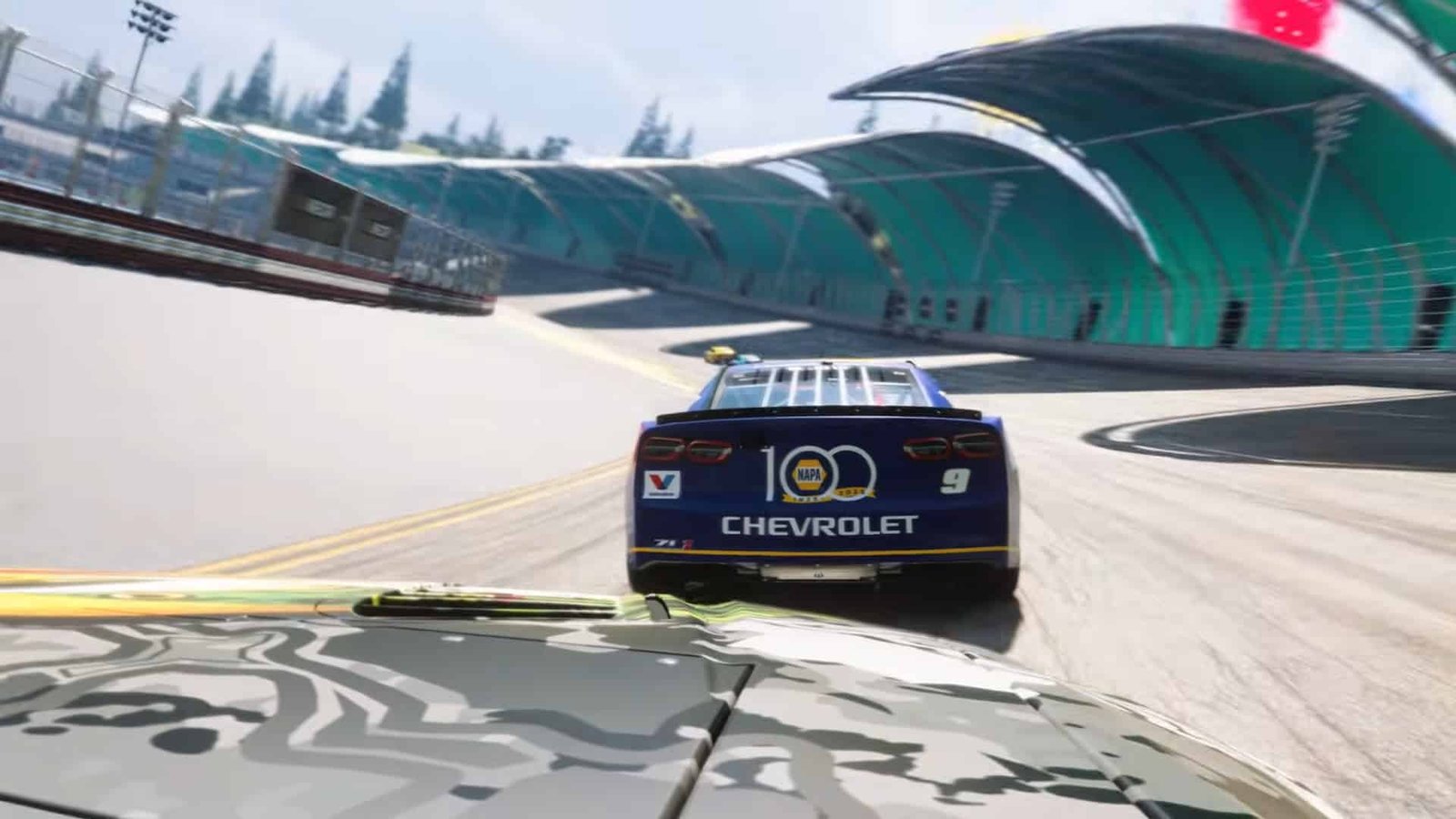
GH: Season 9 introduces NASCAR-inspired racing with dedicated vehicles, pit stops, and a stronger focus on race strategy. What sparked the decision to bring this style of motorsport into Motorfest at this stage of the game’s lifecycle?
JH: NASCAR is one of the most iconic pillars of American motorsport culture. Working with NASCAR on the lineup of vehicles, the new playlist, and the vehicle handling systems was just incredible. We didn’t want to just add NASCAR cars, we wanted to capture the spirit of the sport: the oval racing, the strategy, the pit stops, the team dynamics – and to make it our own. It’s a very different rhythm from what players are used to in Motorfest, and that contrast felt exciting and valuable for the season. Players’ response has been amazing so far, so we’re very happy with this addition to the game.
GH: NASCAR racing introduces a very different rhythm compared to traditional street racing. How challenging was it to adapt mechanics like pit stops and longer strategic races while still keeping them accessible and fun for the broader player base?
JH: That was a real design challenge. NASCAR purists expect a certain level of authenticity, fuel management, tire wear, pit timing, drafting, but we also have players who just want to jump in and have a great time without a hard learning curve. We spent a lot of time calibrating that balance. The goal was to give players enough strategic depth to feel the NASCAR fantasy without making it overwhelming. Pit stops, for example, needed to feel impactful and exciting without becoming a source of frustration. I think we found a good middle ground, but it required a lot of iteration and playtesting to get there.
GH: RC cars bring an entirely different sense of scale and perspective, especially with the top-down camera approach. From both a creative and technical standpoint, how difficult was it to make that mode feel distinct rather than just a novelty?
JH: It was a serious challenge! We built the RC handling system entirely from scratch. No shortcuts, no borrowing from existing vehicles in the game. We needed something that felt toylike and high-tech at the same time, fun and accessible but still rewarding to master. Getting that “pocket-sized” physics balance right took a lot of iteration; the goal was always playfulness without frustration. And every new mechanic came with its own puzzle to solve, jumps, flips, driving on water, none of which existed before in Motorfest. Even the camera needed its own dedicated solution. We ended up landing on a new position sitting right between our two standard angles, which turned out to be the perfect window into that small-scale world. But honestly, what kept the whole team energized through all of it was the realization that we were creating a completely new way for players to experience and explore Hawaii.
GH: Did designing RC events from a top-down viewpoint require the team to rethink level design and environmental detail differently than traditional races?
JH: Some areas were obviously built specifically for the RC experience; you’ll see that clearly in the RC Frenzy playlist. But honestly, the biggest surprise for us was discovering how much of the existing world was already a perfect fit. Small rivers, gaps between houses, backyards, hidden alleys, all of it was already there, just waiting to be experienced at the right scale. When you’re pushing a hypercar past 400 km/h, that layer of detail simply doesn’t exist for you; it’s gone before you even register it. But drop into an RC and suddenly the whole world slows down and opens in a way you’ve never seen before. That’s probably what we’re most proud of with this experience: players who have spent hundreds of hours in Oʻahu are going to feel like they’re discovering it for the very first time.
GH: I liked the fact that the RC cars in The Crew Motorfest feel a little bigger than traditional RC racing games, which drastically makes them feel smaller. What was the main inspiration behind this unique RC car design?
JH: That’s a great observation, and it was a very deliberate choice. We wanted to avoid the feeling of controlling something fragile or too small in our open world. By making RC cars feel slightly more substantial with real weight, real grip, and real presence in the world, we kept the fun and accessibility of the RC fantasy while giving players the satisfaction of speed and control. The inspiration came from that sweet spot between a toy and a real vehicle: something that behaves playfully but rewards skill. We also wanted the world to feel large around them, and that scale was something we tuned very carefully throughout development.
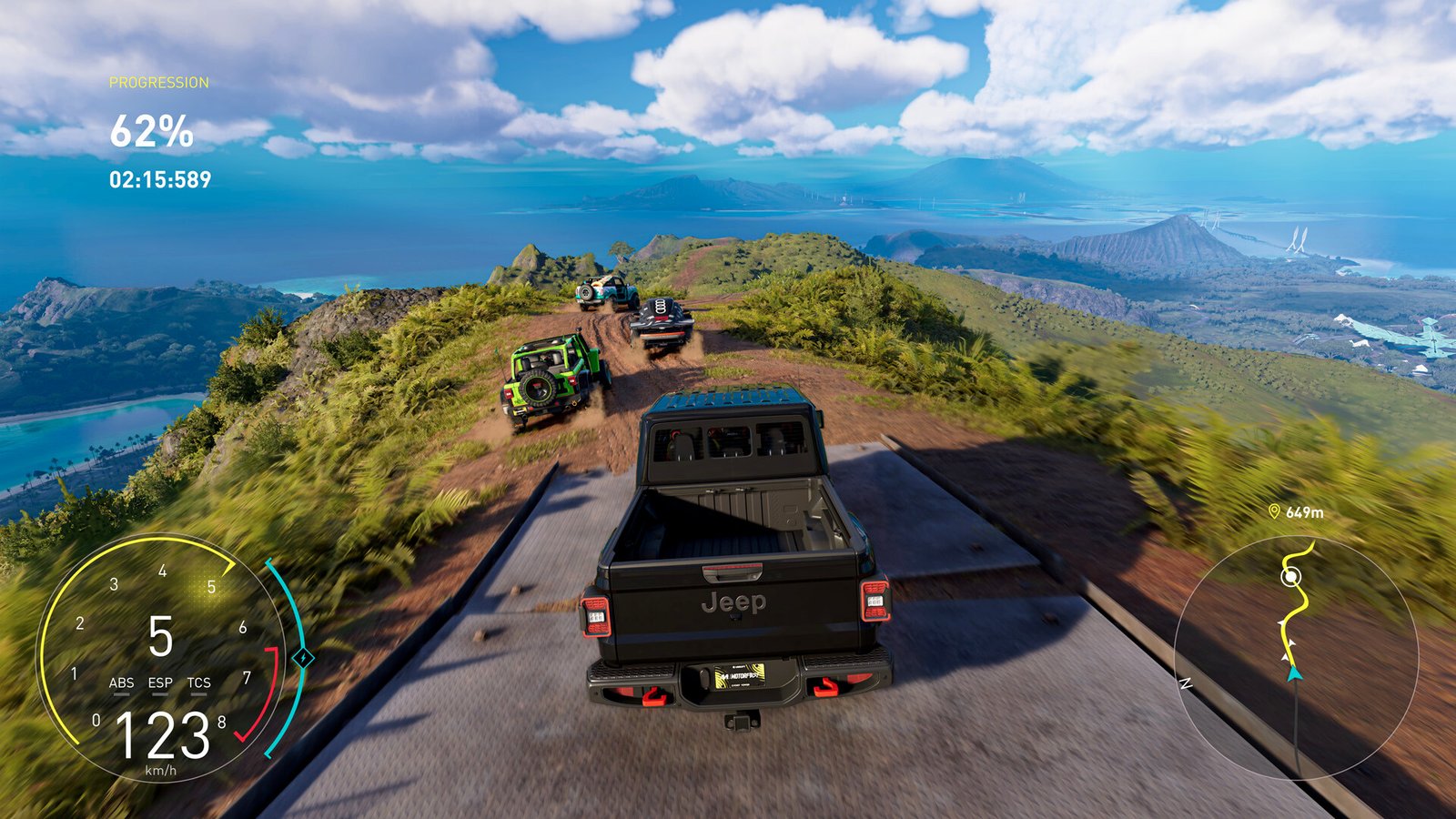
GH: Out of the two Playlists introduced in Season 9 so far, which one was harder to implement in the game?
JH: Honestly, they were both challenging in very different ways. NASCAR required a lot of work on the authenticity side, real-world accuracy, adapting mechanics like pit stops, destruction, shaking of the camera, etc., were something that had never existed in the game before. But RC was technically more complex from a physics and camera standpoint, because we were building something entirely new from scratch without any existing systems to lean on. If I had to pick one, I’d say RC was the harder technical challenge, while NASCAR was the harder creative and design challenge. Both pushed the team in directions we hadn’t gone before, and I think that’s reflected in how different they feel to play, but also illustrates our vision of proposing the most diverse experiences possible.
GH: Season 9 feels like it pushes Motorfest further into experimentation. Is the goal to keep expanding the definition of what a racing game can be, rather than staying within traditional motorsport boundaries?
JH: Absolutely, and that’s not going to change. We believe that the future of our game isn’t about being the most realistic simulation; it’s more about being the most surprising and culturally rich automotive celebration. Every season, we ask ourselves: what can we offer our players that’s new? NASCAR and RC cars in the same season are a perfect example of that range. We’re not afraid to shake things up; we did it in TC2, and trust me, we have plenty of surprises for The Crew Motorfest!
GH: Live-service racing games require constant evolution. How do you decide which new experiences or features are worth building into the long-term roadmap?
JH: It’s a combination of player feedback, creative vision, internal passion, and being able to create surprises. We are working closely with players on our social media, Discord, Reddit, during play sessions, and TTS to see what gaps exist in the experience and we have to focus on. But we also give space to ideas that come from within the team, sometimes the most exciting features start as someone saying, “what if we just tried this?” Or even by pure accident during tests. The RC experience and its top-view events are actually a good example of that: during testing, we tried locking the camera above a race just to see what would happen, and it just worked! It immediately gave off those old-school vibes, like a vintage RC racing game from back in the day.
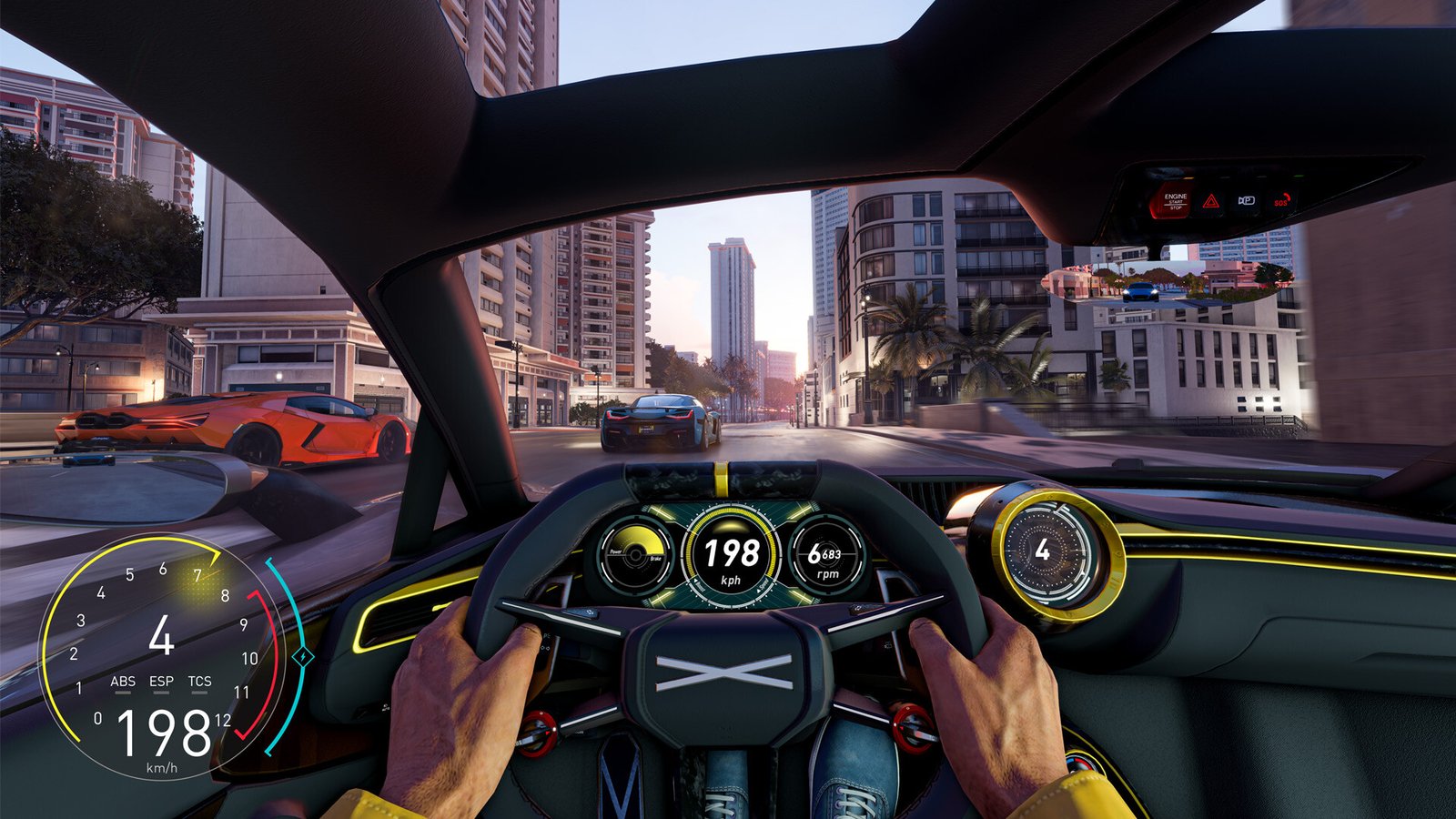
GH: How has player feedback shaped the game post-launch, and has there been any feedback that genuinely surprised the team?
JH: Player feedback has been central to how we’ve evolved the game, but also the franchise. We have been working with our players for years now. The best example was our Insider Program before launch, a multi-phase testing program involving thousands of players over several months. Our commitment to making TCM the best racing game possible is total and is still one of our main engagements. Before the launch of TCM, we conducted more than 60 playtests at the studio, and the Insider Program allowed us to receive thousands of feedback from more than 46K players. Since the launch of the game, we performed 75 new playtests, TTS, and play sessions. We also welcomed selected members from the community multiple times for dedicated workshops. Each new season or update is also tested and follows the same process, including internal & external play sessions, playtests, and more, to be sure that the content we are going to deploy is qualitative and optimized technically.
GH: Looking ahead, should players expect future seasons to continue surprising them with unconventional motorsport experiences, or is the focus now on deepening the systems already introduced?
JH: Both! And I don’t think those are mutually exclusive. We’ll absolutely continue to surprise players with new experiences they don’t see coming; that’s part of our DNA now. But we’re also committed to deepening and expanding what we’ve already built with continuous Quality of Life improvements, new Trackforge kits, and more!
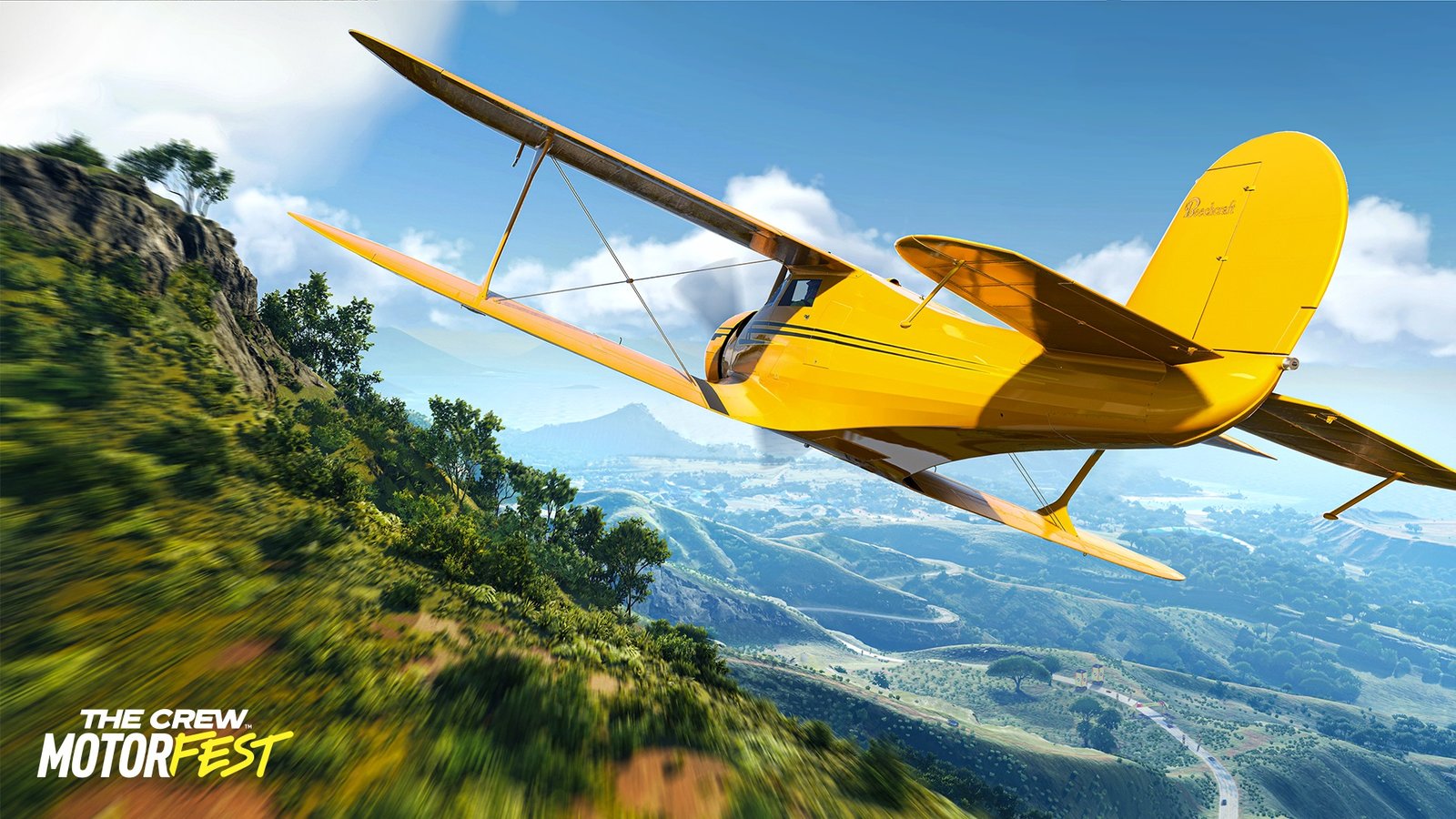
GH: Finally, what excites you most about the future of The Crew Motorfest?
JH: Honestly? The fact that we’re still surprising our players, and ourselves. When the RC top-down camera clicked into place during a test session, and the whole room lit up, that kind of moment still happens, three years into live service. That tells me we haven’t come close to exhausting what our open world can be. We have things in development right now that I believe will make players stop and say, “I didn’t know a racing game could do that.” And that reaction, that’s what gets me out of bed every morning. The best of The Crew Motorfest is still ahead of us!
Related:
- Review: The Crew Motorfest: RC Frenzy – A Game-Changing Playlist That Redefines the Experience
- Hands-On Impressions: The Crew Motorfest Season 10 – Street and Touge Kits, The Return of Alpine, and A One-Hour Race
The Crew Motorfest is available currently on PC via Steam, Ubisoft Connect, Ubisoft+, and Amazon Luna, along with PS4, PS5, Xbox One, and Xbox Series X|S. Make sure to read our The Crew Motorfest review, in which we gave it an 8, thanks to its gorgeous visuals and a solid list of vehicles to drive.