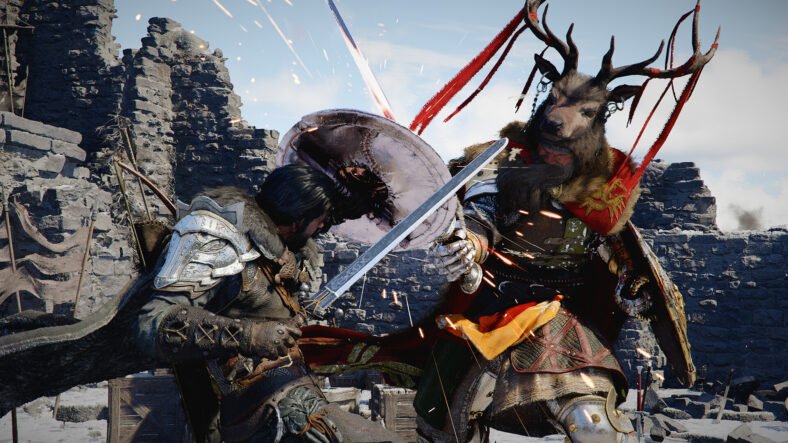
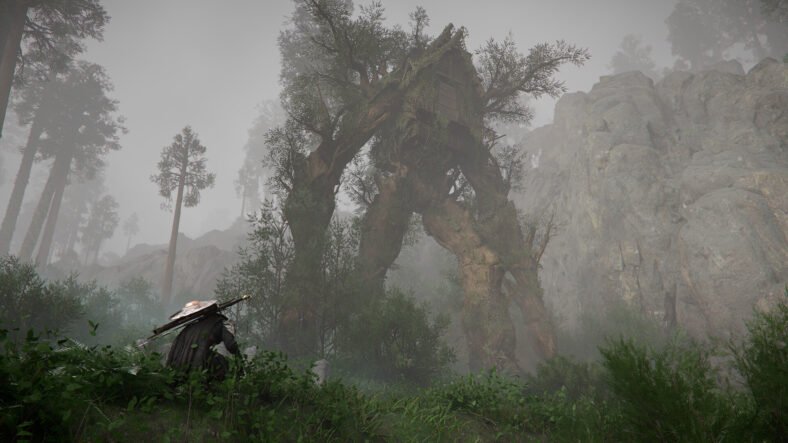
This Nioh 3 Samurai Combat Guide is focused on the Samurai side, explaining its core mechanics and tips and tricks to master it. Nioh 3 introduces a dual-style system that is built around keeping Samurai and Ninja equally important. Both styles shine in different ways, and the game’s real power lies in understanding how they support each other.
Samurai Combat Guide – Nioh 3
The following are all the tips and tricks to kickstart your journey to becoming a Samurai in Nioh 3.
Learning to Combat with Stances
Samurai combat in Nioh 3 is centered around strong melee weapons and careful Ki management. One of the most important skills to learn is stance switching, a system that gives you full control over how you fight. Each stance has a clear purpose, and swapping between them at the right time makes a huge difference.
Low stance is designed for speed. It works best against quick or smaller enemies that stay close to the ground. Attacks come out faster, dodges cost less Ki, and movement feels lighter. The downside is that damage is lower, and dodges give you fewer invincibility frames, so mistakes are punished more easily.
Mid stance sits in the middle of everything. It offers reliable damage, solid defense, and consistent Ki usage. This stance is very forgiving and is often the easiest one to learn when starting. It performs well in most situations with no major weaknesses.
High stance is where raw power lives. It deals the most damage, staggers enemies more easily, and is especially effective against large targets and weak points like horns. Dodging in this stance is slower, and attacks cost more Ki, but the increased damage and stronger impact make it ideal for aggressive players. Using all three stances instead of relying on just one is what separates good Samurai from great ones.
Ki Pulse Is the Core
Ki Pulse is the most important mechanic Samurai players must master. After attacking, your Ki briefly refills on its own. Pressing R1 at the right moment recovers a large portion of your stamina instantly. Doing this consistently allows you to stay on the offensive for much longer without being forced to retreat.
Without proper Ki Pulses, Samurai combat quickly falls apart. With it, you can chain attacks smoothly and maintain pressure on enemies. There is also a special benefit inside Dark Realms. Performing a Ki Pulse there removes the realm entirely, weakening Yokai enemies while empowering you at the same time. Ignoring Ki Pulse makes fights harder than they need to be.
Using Spirit Force at the Right Time
Guardian Spirit skills are tied to Spirit Force instead of Ki, which makes them extremely valuable. These abilities can be activated even when your stamina is empty. While the skill is active, your Ki continues to recover, allowing you to return to attacking almost immediately afterward.
These skills are especially strong against Yokai because they reduce the enemy’s maximum Ki, making it easier to stagger and control them. Spirit Force refills faster than many players expect, so there is no reason to save it for emergencies only. Using these skills as your Ki runs out is one of the best ways to extend combos and maintain momentum in battle.
Making Use of Onmyo Magic and Soul Cores
Even if you plan to focus entirely on melee combat, magic still plays an important role. In Nioh 3, your access to magic is tied to Soul Cores, not just stat investment. This means you can use useful spells early on without building a magic-heavy character.
Certain talismans and abilities provide strong support effects, such as increasing attack power or adding extra damage to your weapon swings. Element-based skills from Soul Cores are also useful against enemies that resist physical attacks. You do not need to become a spell-focused character to benefit from these tools, as they fit naturally into Samurai gameplay.
Free Skill Resets
Early in the game, Nioh 3 allows you to reset your weapon skill points freely. This gives you the freedom to experiment without punishment. You can reassign points based on the weapon you are currently using, unlock essential Samurai skills, and then invest the rest where they matter most.
This system encourages testing different setups and helps you fully explore weapon move sets without being locked into early decisions. It is especially useful when switching weapons or learning new playstyles.
Samurai Should Still Use Ninjutsu
Even when playing mainly as a Samurai, Ninjutsu remains important. Actions performed in Samurai style help refill Ninja resources, meaning you are always building toward ranged options in the background.
By switching briefly into Ninja style, you can spend these charges to deal safe damage from a distance or weaken enemies before returning to melee combat. After using them up, switching back to Samurai continues the cycle. This back-and-forth greatly improves damage output while keeping you safer during difficult encounters.
Arts Proficiency
Arts Proficiency is one of the strongest systems available to Samurai. It builds up naturally through attacking, blocking, and deflecting enemy strikes. Once the gauge is full, activating it enhances your combat abilities for a short time.
During this state, strong attacks and martial arts consume less Ki, deal more damage, and can be chained together more freely. This allows for longer, more destructive combos that can overwhelm enemies quickly. Learning how to activate and use Arts Proficiency efficiently opens up a much deeper level of Samurai combat.
Deflecting for Advanced Defense
Deflecting is not required to succeed, but it offers major rewards for those willing to learn it. After unlocking it in the Samurai skill tree, deflecting allows you to block incoming damage from most attacks while restoring Ki completely.
Successful deflects also increase your Arts and Ninjutsu gauges, creating strong synergy with other systems. While burst attacks cannot be deflected, regular enemy strikes can be shut down completely. It takes practice, but the benefits are massive for skilled players.
Style Switching and Burst Counters
Samurai gameplay does not exist on its own. Switching styles is important not only for accessing Ninja abilities but also for using Burst Counters. These counters are required to stop powerful burst attacks from enemies.
Being comfortable with style switching makes survival much easier and allows you to punish enemies during their strongest moves. At higher difficulty levels, mastering this system becomes essential rather than optional.
Remember to Use Ranged Weapons
Many Samurai players focus so much on close combat that they forget about ranged tools. Nioh 3 offers very strong bows, rifles, and cannons that can remove dangerous enemies before they ever reach you.
Using ranged weapons to thin out groups or eliminate high-priority targets makes melee encounters far safer. Mixing ranged attacks with Samurai combat leads to smoother and more controlled battles overall.
That is all for this guide. Additional Nioh 3 guides are linked below:
- Nioh 3 Beginner’s Guide – Tips and Tricks to Becoming a Samurai
- Nioh 3 Best Weapons Guide – All Weapons, Best Weapons
- Nioh 3 Summoning Guide – How to Summon Friends, Benevolent Graves
- Nioh 3 Ninja Combat Guide – Tips & Tricks to Master Ninja
- Nioh 3 Combat Guide – Mastering Combat Styles, Spirit Skills, More
This concludes our Nioh 3 Samurai Combat Guide. If you want to add anything to this guide, feel free to use the comments section below.