This Nioh 3 Combat Guide details all the tips and tricks you need to master combat in Nioh 3. Nioh 3 throws a lot at you very quickly. You are not just attacking and dodging; you are constantly reading meters, cooldowns, enemy behavior, and your own positioning. Combat is meant to feel demanding. You won’t master everything at once, but understanding a few core ideas early can make the learning far less punishing.
Combat Guide – Nioh 3
The following are all the tips and tricks to kickstart your journey to becoming a Samurai or Ninja in Nioh 3.
Switching Combat Styles Matters
Nioh 3 gives you two distinct combat styles to work with, and the game is clearly designed around switching between them rather than committing to only one. Each style has its own strengths, weaknesses, and situations where it shines. Some players may naturally lean toward one based on preference, but being flexible and changing styles when needed can make difficult encounters much more manageable. If a fight feels impossible, the solution is often not better gear, but using the other style more effectively.
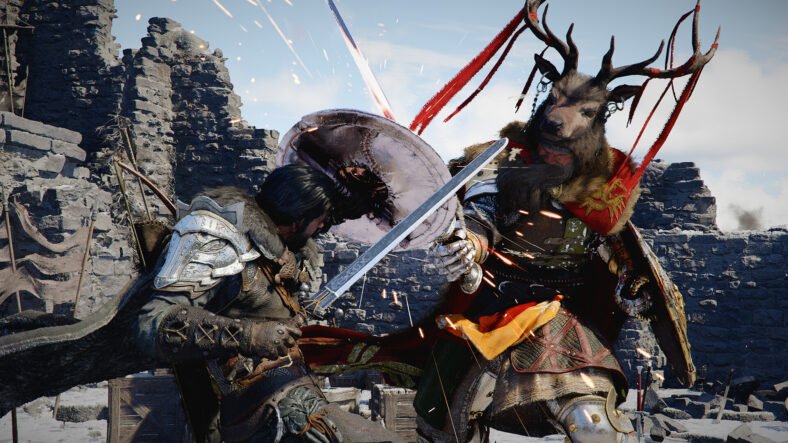
Samurai style is built around control and stability. It allows you to guard, deflect attacks with proper timing, and recover stamina through Ki Pulses.
Ninja style focuses more on speed and positioning. Instead of guarding, it relies on fast movement and evasive dodges to stay safe. This makes it very effective when you have an opening, especially if you can get behind an enemy.
Know the Difference Between Enemy Types
Enemy stamina works differently depending on who you are fighting. Human enemies use a blue stamina bar that behaves much like your own. They consume it while attacking or guarding and recover it quickly when they disengage. Once depleted, they are left open to powerful grapples.
Yokai enemies use purple stamina bars that regenerate slowly and are affected by repeated attacks. Every hit adds damage that lowers how much stamina they can recover. Striking their weak points, like yellow horns or stone deals, even more of this damage.
Once a Yokai’s stamina is fully drained, they become staggered and vulnerable to heavy punishment. However, they can eventually force stamina recovery through powerful moves or by corrupting the battlefield. The key difference is that humans reward patience, while Yokai reward pressure and aggression.
Using Free Respecs
One of the most important systems in Nioh 3 is the ability to respec without penalty. You can reset your stats at any time, allowing you to test different setups freely.
This is especially helpful if you want to try a new weapon, adjust your magic usage, or rethink your approach to a difficult boss. Early on, it is usually best to focus on a few weapons and their core stats. Later in the game, once you are more comfortable, experimenting with full builds becomes much easier.
Burst Counters Are a Core Survival Tool
Burst counters are one of the most important mechanics in Nioh 3, especially during difficult fights. They are performed by switching styles from Ninja to Samurai or vice versa, at the exact moment an enemy launches a powerful red-glowing attack. While weaker enemies may not use these moves often, bosses and elite foes rely on them heavily.
Landing a successful burst counter completely stops the enemy’s attack, deals heavy stamina damage, and restores some of your own stamina. This often creates a large opening for follow-up attacks or skill usage. Missing the timing, however, can be very punishing, making practice essential.
Some enemies deliberately delay or mix up these attacks, so learning the rhythm takes trial and error. Once mastered, burst counters allow you to turn an enemy’s most dangerous move into a consistent opportunity to deal big damage.
Equipping Passive Skills Properly
In addition to active techniques, Nioh 3 also includes passive Skills that are equipped at shrines. These are separate from Martial Arts and Ninjutsu and function more like permanent perks.
These Skills are unlocked through exploration rather than skill trees. You will find them by looting, clearing points of interest, or interacting with merchants. Since you have limited capacity to equip them, it is important to occasionally review which ones fit your current playstyle and replace those that no longer feel useful.
The Best Skills to Equip Early
While this choice may vary according to your playstyle, you can try using the following skills to give you an edge early on in the game.
- Supreme Shift – Ninja –When you use a style-switching burst counter, you will be teleported behind the enemy to attack.
- Yokai Banisher – Ninja –With this, you can use Ninja’s Mist by using R1 after an attack.
- Unshakable – Samurai –When you are a Samurai, it will lessen your damage.
- Indomitable Spirit – Samurai –When you are at low health of 30, using this skill will increase your Ki recovery speed.
- Panacea Curefast – General –It will use Elixirs to restore life by 15%.
- Repel Expert – General –Timing extension window for Shift Burst Break style-attack.
Soul Cores Add More Options
Soul Cores return in Nioh 3 with a major redesign. Instead of transforming you into a Yokai, Soul Cores now act as flexible tools that can be assigned in different ways depending on how you want to use them.
When placed in the Yang slot, a Soul Core allows you to briefly summon a Yokai to perform an attack before disappearing. This is useful for dealing extra damage, applying status effects, or attacking safely without committing your character. These cores also provide passive bonuses, similar to accessories.
When placed in the Yin slot, Soul Cores become reusable abilities that refresh when you rest at a shrine. These can offer buffs, debuffs, or magical effects that fit into your regular combat loop. Their effectiveness increases with investment into Magic, but even without heavy stat investment, they are still worth using.
Making Good Use of Spirit Skills
Spirit Skills provide powerful attacks that do not rely on stamina. Their effects vary based on your equipped guardian spirit, so it is important to test them and understand their range and speed.
One key advantage of Spirit Skills is that they can be used even when you are out of stamina and vulnerable. In dangerous moments, activating one can help create space, interrupt enemies, or give you time to recover and heal.
Build Your Stats Around Your Weapons
Weapon scaling works differently in Nioh 3 compared to earlier versions. Instead of letter grades, each weapon is influenced by three specific stats. The stat you’ve invested in the most boosts damage the most, while the other two provide smaller increases based on how high they are.
Ideally, you want your two main weapons to benefit from similar stats so you are not spreading points too thin. When both weapons gain power from the same attributes, your overall damage improves naturally as you level.
If you later decide that you want to use weapons with mismatched stats, the game still gives you an option. Once a weapon has been upgraded enough, you can visit the blacksmith and adjust its reference stats. This allows more freedom to experiment without being locked into early decisions.
Watch for Stat Requirements on Gear
Not all gear bonuses are active by default. Many pieces of armor, accessories, and Soul Cores require certain stat values before their effects take place. If you see abilities grayed out, it means you haven’t met the activation requirements yet.
While most of your stat points should go toward improving weapon damage, it is often worth spending a few points to unlock especially strong bonuses. This is particularly true for accessories and Soul Cores, which can provide helpful passive effects once their thresholds are met.
Don’t Ignore Your Combat Abilities
With so many mechanics in play, it is easy to forget how many abilities you’ve unlocked. Martial Arts and Ninjutsu can have a major impact on combat, but only if you actually remember what they do and how to use them.
Skill points in Nioh 3 are not tied to leveling up. Instead, they come from exploration and progression. You will earn them by opening special chests, defeating strong enemies, completing side objectives, or increasing exploration progress in different areas. Once earned, they are spent in the Samurai and Ninja skill trees, as well as weapon-specific trees.
After unlocking new skills, it is important to regularly check your customization menus. Taking a moment to review your techniques helps you understand which moves offer parries, elemental effects, aerial attacks, or utility. You don’t need to learn everything at once. Focusing on a small group of reliable abilities and slowly integrating them into combat is far more effective than trying to memorize every move immediately.
So, Nioh 3 rewards awareness more than raw reactions. You don’t need to master every mechanic immediately, but learning how the systems connect will make the experience feel far less overwhelming.
- Nioh 3 Beginner’s Guide – Tips and Tricks to Becoming a Samurai
- Nioh 3 Best Weapons Guide – All Weapons, Best Weapons
- Nioh 3 Summoning Guide – How to Summon Friends, Benevolent Graves
- Nioh 3 Samurai Combat Guide – Tips & Tricks to Master Samurai
- Nioh 3 Ninja Combat Guide – Tips & Tricks to Master Ninja
This concludes our Ninja 3 Combat Guide. If you want to add anything to this guide, feel free to use the comments section below.