Developed by Ground Shatter and published by Mode 7, Fights in Tight Spaces is a unique new fighting game where melee combat merges with deck-building. The game also combines turn-based combat with strategic gameplay with roguelike elements where every move you make will either make you win or lose. The game looks like a weird combination of Super Hot and John Wick-style action fighting games where melee combat plays a vital role. Combine that with deck-building and a combat system played out with cards and you get a unique fighting game. This is our review of Fights in Tight Spaces in which we crack open some heads and slip behind some enemies for some tactical kills.
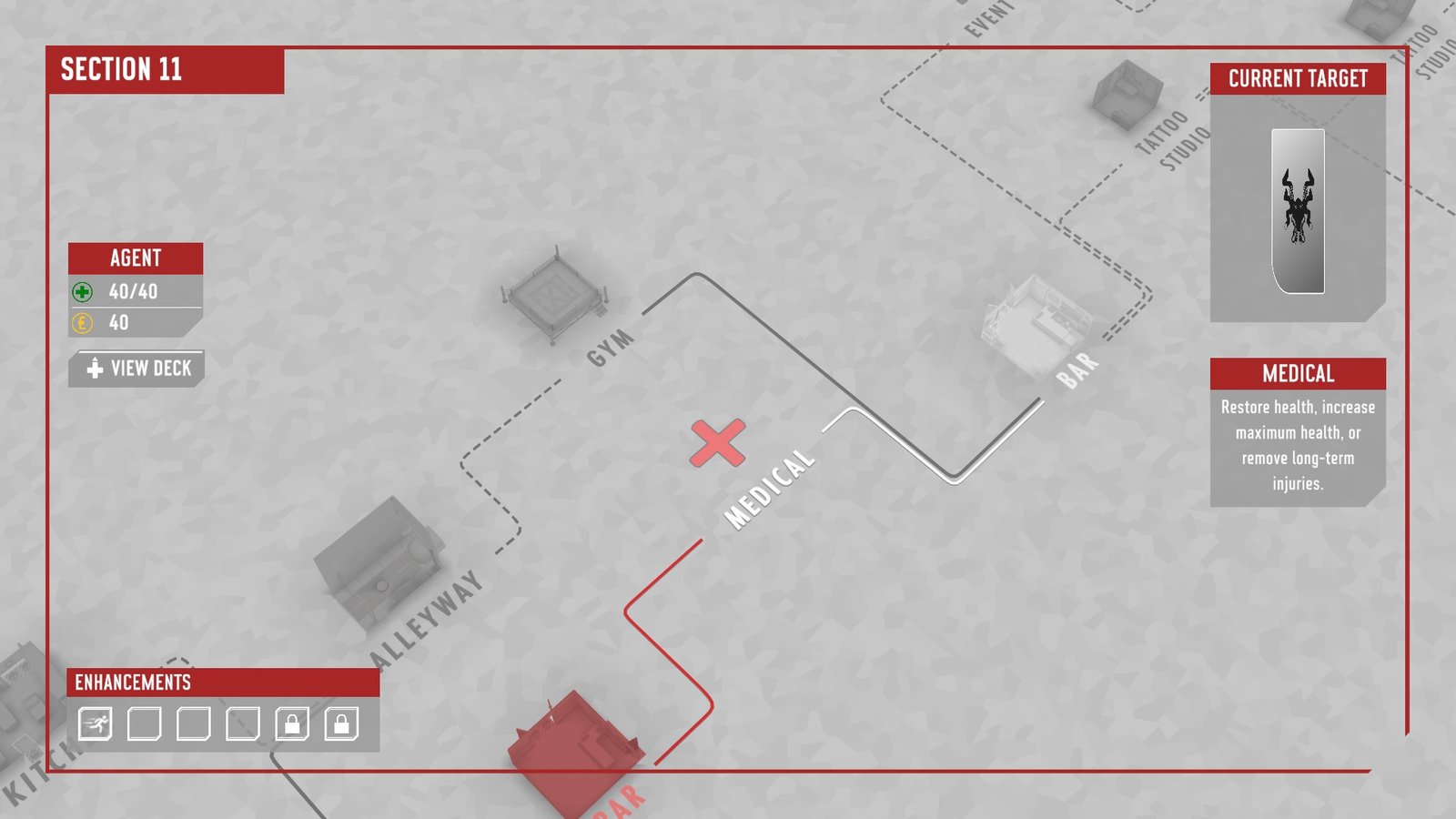
After a tutorial mission, you are given the choice of choosing a variety of missions and going on them in a sequence. Each mission in the game has a multitude of levels and it plays out in the form of a tree where playing and completing one mission unlocks another set of missions for you on the tree. However, depending on your choice, your path will be set and you cannot choose the missions that are not on your path so you have to decide carefully. Apart from missions and fights, you will also find various ‘relief’ spots on these trees such as the Gym or Medical where you can heal yourself, change your deck, gain new abilities or even upgrade current ones. Again, all of these are procedurally generated every time you start a mission so you cannot expect them to be at the same place every time.
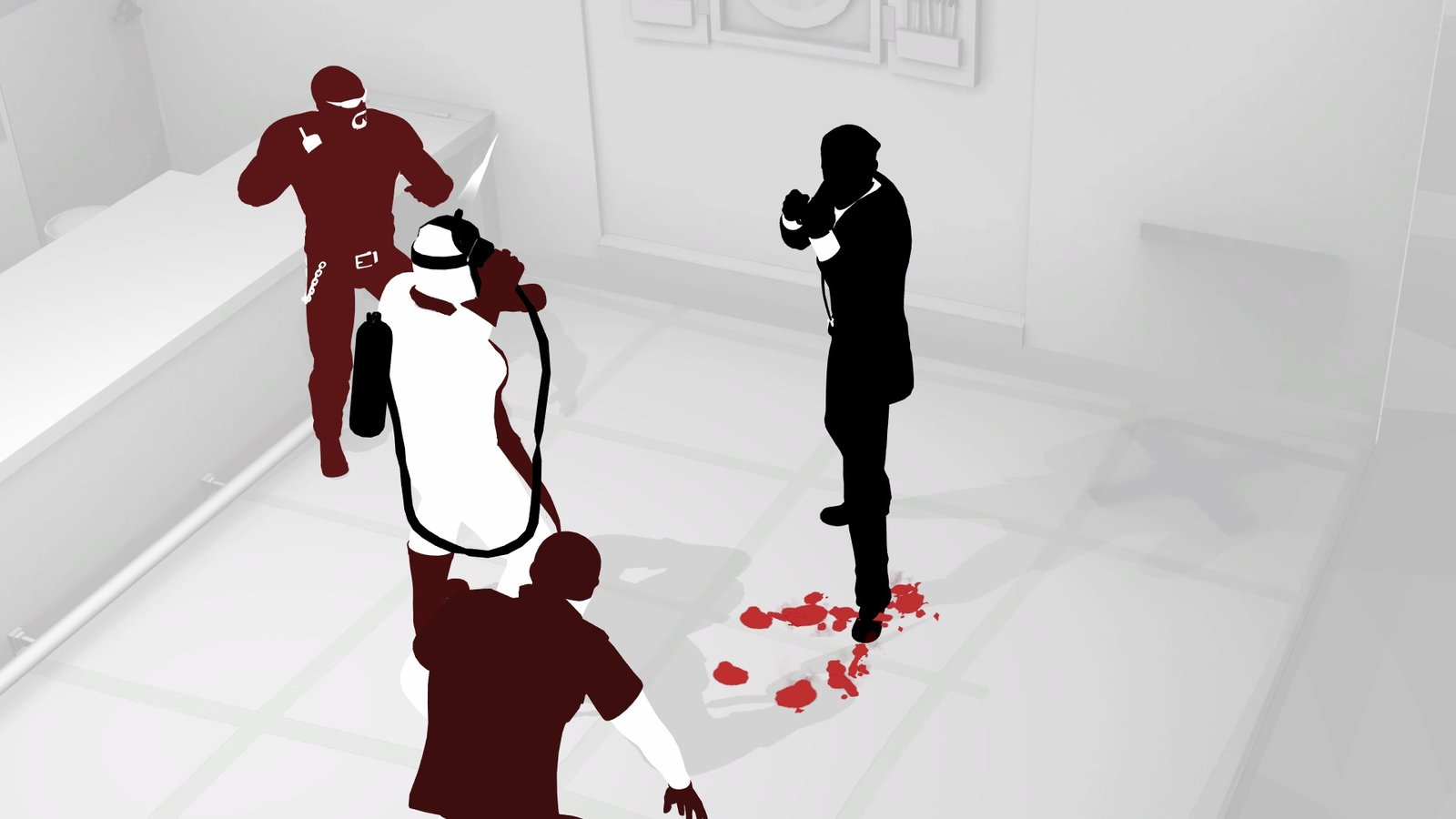
The missions pretty much follow the same criteria of missions and fights. There are multiple clans and factions that you fight in these levels. You can follow the level trees all the way to the end however the game plays out like a roguelike which means that if you die in a level, your mission fails and you have to start afresh with the whole level tree. There are no in-mission checkpoints in the game so if your character dies, it is game over for you. It is a little annoying to start the game from the start again especially if you have cleared plenty of levels in a mission but it also challenges you to be better at the game and try your best to use the best strategies and tactics to make sure that you come out of every level with the least amount of damage.
The gameplay of Fights in Tight Spaces is strictly card-based and based on your selection, you will land an attack, buff up for defense or get ready to counter incoming attacks. These are the main categories of your cards in nearly all of the decks. You gain combo points as well which are used for some of the advanced cards in the game however most cards do not require any points so you can play them as long as you have movement points available. Once you are satisfied with your card movements and selection, you can end your move and give your enemies a chance to react accordingly.
While your character only has melee attacks up his sleeve, your enemies will bring anything that they want to the party. As suggested by the title, most of the fights are in closed-spaces and mobility is limited if there are multiple enemies on the screen but this is where the unique deck-building comes into play because some of the moves allow you to slip past enemies, push them away from you or set them up for fire from their own allies as well. Using all of these tactics and moves, you can kill your enemies without even landing a single hit on your enemies. However, sometimes, these strategies can backfire as well because every move in the game is a gamble, and cannot be sure that the game will go according to what you thought before making a move.
AI is not too smart but nonetheless gives you a tough time in the game mostly because they seriously outnumber in some advanced scenarios. I remember playing a level that was extremely small and there were around 4 enemies out of which 2 were heavily armored and came with long-ranged attacks. The scenarios range from normal fights to the protection of high-profile members from enemies and each mission brings a unique challenge for you so you must be ready at all times to change your strategy on the go. You have plenty of time to think ahead since there is no time limit for you to decide your upcoming moves and how you want to place yourself for an anticipated attack.
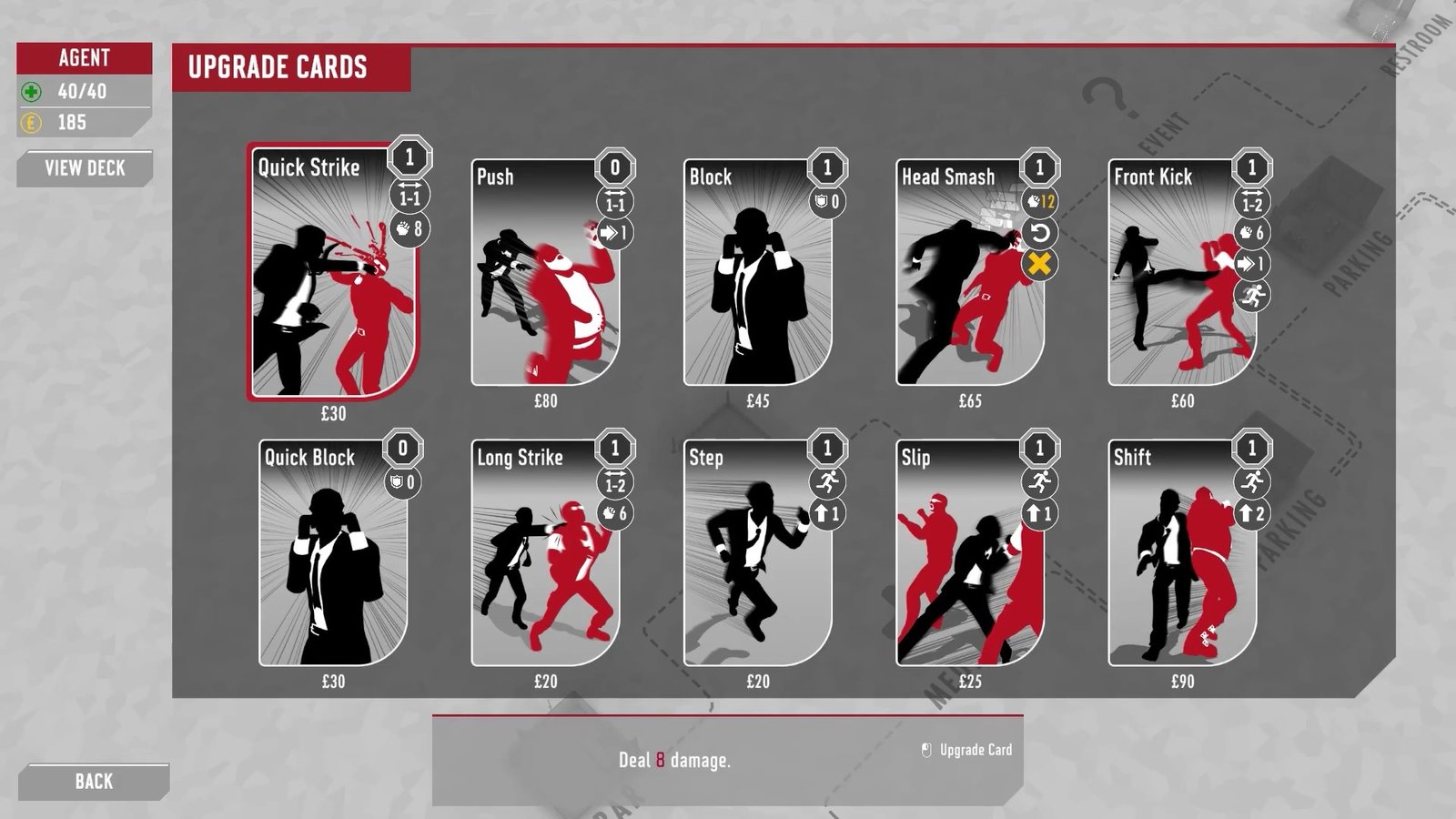
Once you have completed a mission, you are given a choice of choosing one card out of multiple ones. Your choice is permanently added to your deck and will appear in your cards list while you are on a mission. These add new movement types, powerful attacks, normal attacks, and defense cards to your deck. As you progress in the game, you unlock many new types of card decks in the game as well that allow you to choose your playstyle. Each deck that you unlock in the game comes with its own unique cards and moves however most of them have different names but they usually perform pretty much the same so there is not a huge variety of attacks and cards in the game but just different names of cards.
The game features a decent and cool-looking visual design as well where the map and area around you is white with your character being black and enemies shown in red color. There are not many colors apart from the basic black, white, and red however sometimes the moves that you chose give a different colored buff to the character and also enemies when they execute their moves. Some of the later enemies in the game bring some new colors into the mix as well. Hitting enemies splutter some blood here and there and the sounds of hitting your enemies are pretty satisfying as well. Apart from knocking out enemies, you can also push them off the level and they will be dealt with as well. You can use different strategies to take out your enemies.
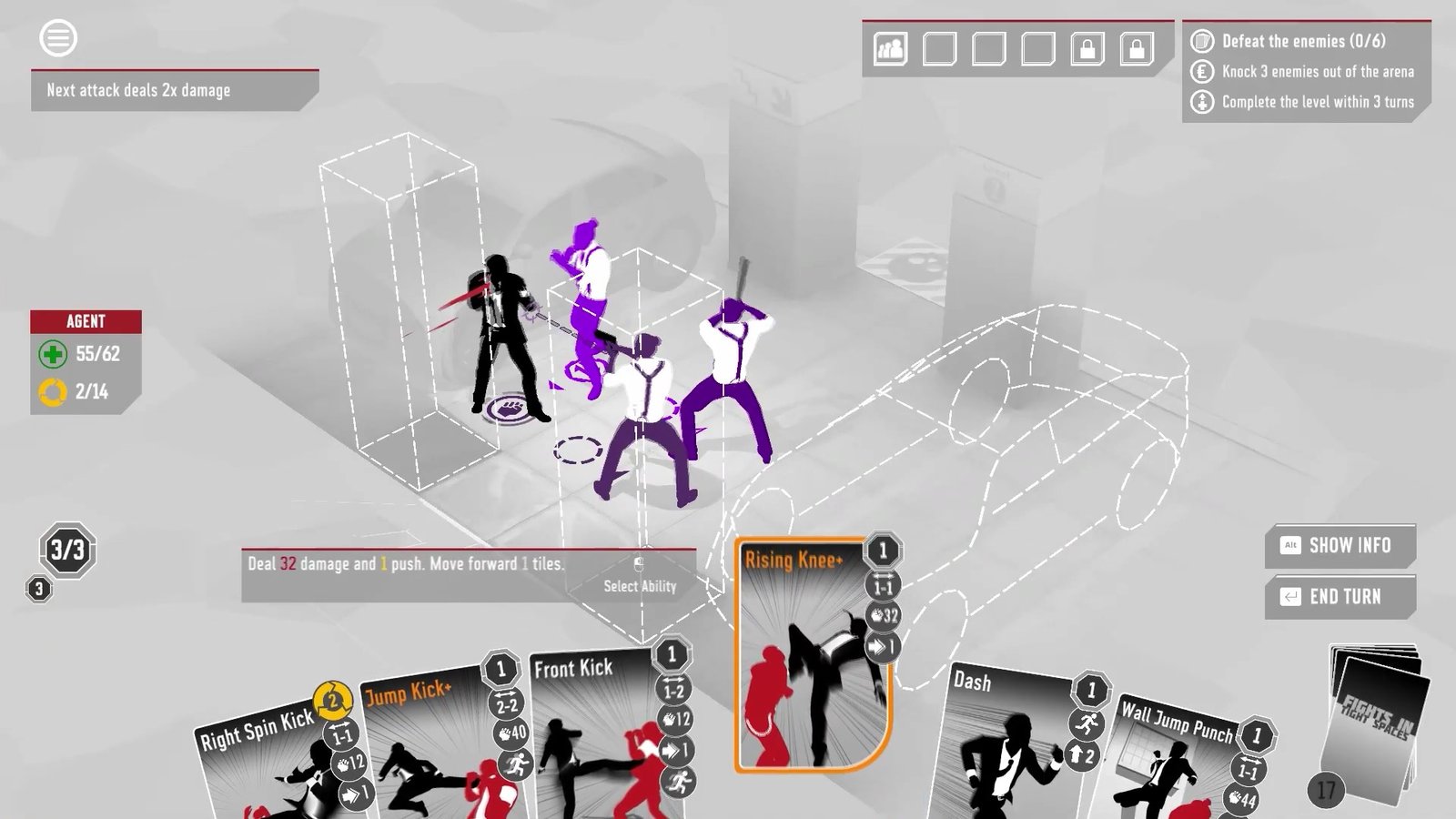
Most of the times, enemies with guns and other long-ranged weapons would shoot me from a very far off place so what I would do is after they have locked down on me, I would slip behind an enemy and push them in my place which would cause the enemy with the gun to shoot his own ally. Using such techniques, you can take out enemies without hitting them even once. However, some of the enemies also come with the overwatch ability so have to be careful while moving around as well. If you end up in front of an enemy with the overwatch active, you will just end up getting attacked instead.
Fights in Tight Spaces is a decent fighting game with strong John Wick-style fights but with a card-battling system in place. Because of this, it is going to appeal to a wider audience, one that loves action fighting game that plays out like a movie and one that loves building the most powerful decks and then annihilating their enemies with their powerful cards. In its early access form, you have plenty of content to enjoy however I am not sure if the full version will bring more missions when it comes out or not. Depending on your playstyle and skill with deck-building games, you can currently end the game in around 3 to 4 hours easily including unlocking all decks and missions.
Final Verdict:
Fights in Tight Spaces presents a unique take of how fighting games can be if they are played as card-battlers. It is a great blend of fighting mechanics with card-battling and deck building and one that has a lot of potential of becoming a great card-battling game if given the proper attention. Even in early access, the game has plenty of missions and level trees to go through again and again. Procedurally generated mission trees ensure that you always have a unique mission every time you replay it. The game is still in early access, so I have high hopes for it to become an even better title when it comes out. If you love playing fighting games with a heavy focus on melee combat and also love a little bit of deck building, Fights in Tight Spaces will surely not disappoint you even in its early access form. A free prologue is available on Steam so you can check it out before pulling the trigger on the full purchase.